PAHO Urges Vigilance as Flu, RSV Circulate Together
 By Sofía Garduño | Journalist & Industry Analyst -
Wed, 01/14/2026 - 10:32
By Sofía Garduño | Journalist & Industry Analyst -
Wed, 01/14/2026 - 10:32
The Pan American Health Organization (PAHO) is urging countries across the Americas to strengthen preparedness as seasonal influenza and respiratory syncytial virus circulate at the same time, a combination that could increase pressure on hospitals and clinics through the rest of the Northern Hemisphere winter.
In an updated epidemiological alert, PAHO said global influenza activity has risen steadily since October 2025, with the A(H3N2) strain predominating and early seasonal patterns already visible in several Northern Hemisphere countries. RSV circulation is also increasing gradually, raising the risk of overlapping demand for health services.
The alert follows an advisory issued Dec. 4, 2025, which warned that the respiratory season could start earlier or be more intense than usual. In that same month, Minister of Health David Kershenobich called on the population to reinforce vaccination against influenza due to the international circulation of the H3N2 variant, known as Super Flu, which had been registered in the European Union and the United States, reports MBN.
Influenza positivity in the Americas remains above 10% in the Northern Hemisphere, with sustained increases in North and Central America and levels approaching 20% in the Caribbean, where A(H3N2) is dominant. Analysis from selected countries, including the United States, Canada, the United Kingdom, and Spain, shows an early and rapid start to the influenza season, marked by rising outpatient visits, particularly among children, and increasing hospitalizations, especially among older adults.
In Mexico, as of epidemiological week 53 of 2025, a total of 2,313 laboratory-confirmed influenza cases have been reported during the seasonal influenza period. Of these, 52.9% were caused by influenza A (H1N1), 33.6% by influenza A (H3N2), 10.2% by influenza A without subtype identification, and 3.3% by influenza B.
During the 2025–2026 influenza season to date, health surveillance units have recorded 42,304 suspected cases of viral respiratory illness. Influenza has been confirmed in 2,313 of these cases, representing 5.5% of the total, and seven deaths associated with influenza have been reported, reports the Directorate of Epidemiological Surveillance of Transmissible Diseases.
PAHO says that overall severity remains comparable to previous seasons, with no excess mortality reported so far. However, some countries are recording higher levels of influenza detection and outpatient visits for influenza-like illness than in recent years, underscoring the need for close monitoring.
The organization warns that a continued rise in RSV cases could further strain health systems already managing seasonal influenza. Continuous surveillance is critical to allow health authorities to adjust response plans in real time and avoid service disruptions.
“The simultaneous circulation of influenza and RSV is a significant challenge that requires us to prioritize vaccination and maintain close surveillance to enable timely action and prevent hospital overcrowding,” says Marc Rondy, Regional Adviser in Epidemiology of Epidemic- and Pandemic-prone Diseases, PAHO.
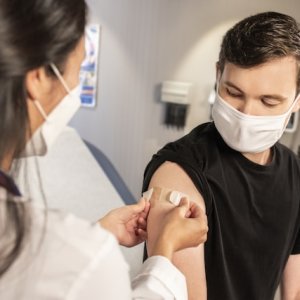
PAHO also cites interim studies showing that influenza vaccines reduce hospitalizations by 30% to 40% in adults and about 75% in children. The agency called on countries to reach high vaccination coverage, particularly among priority groups such as children, pregnant people, older adults, people with chronic conditions, and health care workers.
Beyond vaccination, PAHO is urging countries to reinforce integrated surveillance of influenza, RSV, SARS-CoV-2, and other respiratory viruses, with weekly reporting to international monitoring platforms. Health services are also advised to prepare for potential simultaneous increases in influenza and RSV cases, while implementing RSV prevention strategies such as maternal vaccination and the use of long-acting monoclonal antibodies for newborns and infants, in line with PAHO and WHO guidance.
The organization also stresses the importance of clear risk communication. Basic preventive measures, including frequent handwashing, covering coughs and sneezes, wearing masks indoors when symptomatic, staying home when ill, and seeking timely medical care for severe symptoms, remain effective tools to reduce transmission and protect vulnerable populations.
You May Like





Most popular