


WHO Expands Emergency Use Listings for Mpox PCR Diagnostics
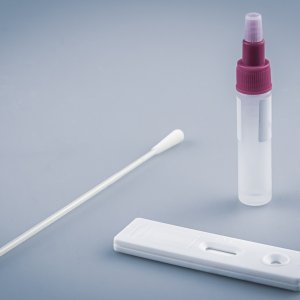
To improve global access to rapid, quality-assured monkeypox (mpox) diagnostics, the World Health Organization (WHO) has added two in vitro Polymerase Chain Reaction (PCR) tests to its Emergency Use Listing (EUL). These additions aim to accelerate access to diagnostic tools in low- and middle-income countries (LMICs), addressing a significant gap in testing capacity, particularly in regions heavily affected by mpox outbreaks.
On October 25, 2024, the WHO added the Xpert Mpox test to the EUL. Designed for use on GeneXpert systems, Xpert Mpox can provide results in less than 40 minutes, as reported by the WHO. The test allows for near-point-of-care use, which is critical for settings where laboratory access is limited. This easy-to-operate test requires minimal training and is fully automated once the cartridge is inserted, making it a feasible option for decentralized testing environments.
The WHO also added Roche Molecular Systems, Inc.’s cobas MPXV assay to the EUL on Oct.14, 2024. With the ability to process multiple samples simultaneously, the cobas MPXV assay produces results within two hours, catering to larger healthcare settings where swift, accurate testing is essential for controlling outbreaks.
The ongoing 2024 mpox crisis, particularly in Africa, underscores the need for such diagnostic innovations. According to the WHO, 19 countries across Africa have reported more than 40,000 suspected cases of mpox, with the majority remaining unconfirmed due to insufficient testing resources. In the Democratic Republic of the Congo (DRC)—the most affected country—testing capacity has significantly expanded this year due to the WHO’s support in decentralizing testing processes.
With more than 60 potential mpox diagnostic tests submitted to the WHO for review, and additional products under consideration, the EUL process highlights the WHO’s commitment to improving access to life-saving medical tools. This initiative not only aids immediate response efforts in current outbreak areas but also builds capacity for future health emergencies, fostering a faster and more robust response to emerging infectious diseases.
On August 14, 2024, the WHO declared mpox a Public Health Emergency of International Concern (PHEIC), its highest global alert level, for the second time in two years. This announcement followed the Africa Centres for Disease Control and Prevention's (Africa CDC) declaration of mpox as a public health emergency in early August 2024, as reported by MBN. The first PHEIC declaration for mpox was made in July 2022.
As of August 3, 2024, Mexico’s Epidemiological Surveillance System identified 212 probable cases of mpox, with 49 confirmed cases spread across 11 states, according to Mexico’s government. The emergence of mpox outbreaks worldwide, especially in African countries with substantial population movement, increases the risk of additional cases appearing in Mexico.

Most popular








