


WHO Urges Higher Taxes on Sugary Drinks, Alcohol
 By Sofía Garduño | Journalist & Industry Analyst -
Wed, 01/14/2026 - 11:40
By Sofía Garduño | Journalist & Industry Analyst -
Wed, 01/14/2026 - 11:40
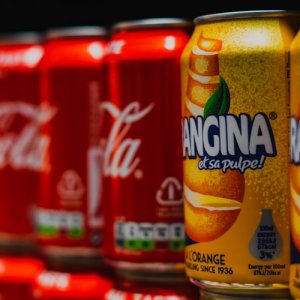
Sugary drinks and alcoholic beverages are becoming more affordable in many countries due to persistently low tax rates, a trend that is contributing to rising rates of obesity, diabetes, cardiovascular disease, cancer, and injuries, according to two new global reports released by the World Health Organization (WHO).
The WHO says weak and poorly designed tax systems are allowing products linked to preventable noncommunicable diseases and injuries to remain cheap, even as health systems face increasing financial pressure. The agency is urging governments to significantly strengthen taxes on sugary drinks and alcoholic beverages as a public health and fiscal measure.
“Health taxes are one of the strongest tools we have for promoting health and preventing disease,” says Tedros Adhanom, Director General, WHO. He adds that higher taxes on products such as sugary drinks and alcohol can reduce harmful consumption while generating additional resources for health services.
The reports highlight a disconnect between the size of the global market for these products and the share of revenue governments collect through health-motivated taxes. Sugary drinks and alcoholic beverages generate billions of dollars in annual profits worldwide, yet public revenues from these products remain limited, leaving societies to absorb long-term health and economic costs.
According to the WHO, at least 116 countries tax sugary drinks, most commonly carbonated soft drinks. However, many high-sugar products, including 100% fruit juices, sweetened milk-based drinks, and ready-to-drink coffees and teas, are often excluded. While 97% of countries tax energy drinks, this proportion has not changed since the previous global assessment in 2023.
A separate WHO analysis found that at least 167 countries impose taxes on alcoholic beverages, while 12 prohibit alcohol entirely. Despite this, alcohol has become more affordable or has not increased in price in most countries since 2022, largely because tax rates have failed to keep pace with inflation and income growth. Wine remains untaxed in at least 25 countries, mainly in the European Union, despite established health risks associated with alcohol consumption.
Etienne Krug, Director of the Department of Health Determinants, Promotion, and Prevention, WHO, says that alcohol’s increased affordability is linked to higher rates of violence, injuries, and disease. He adds that while industry profits continue to grow, the public bears the health burden and society absorbs the economic costs.
Across regions, the WHO found that tax shares on alcohol remain low, with median global excise shares of 14% for beer and 22.5% for spirits. Sugary drink taxes are even weaker, with the median tax accounting for about 2% of the retail price of a typical sugary soda and often covering only a narrow segment of the beverage market. Few countries regularly adjust these taxes for inflation, allowing harmful products to become progressively cheaper in real terms.
These trends persist despite public support for stronger measures. A 2022 Gallup poll cited by the WHO found that a majority of respondents favored higher taxes on alcohol and sugary drinks.
In response, the WHO is calling on governments to raise and redesign health taxes as part of its “3 by 35” initiative, which seeks to increase the real prices of tobacco, alcohol, and sugary drinks by 2035 to reduce consumption and protect public health.
Mexico Raises Soft Drink Levy to Reinforce Health Programs
In October 2025, Mexico’s Chamber of Deputies approved reforms to the Special Tax on Production and Services (IEPS), increasing rates on sugary drinks, tobacco, and other products, while adding new taxable categories such as oral rehydration beverages and sweetened drinks with artificial sweeteners, reports MBN.
The bill passed with 351 votes in favor, 129 against, and one abstention. It updates the tax rates starting in 2026 for the sale and importation of products including tobacco; beverages with added sweeteners and gambling activities.
Under the reform, the tax on cigarettes will rise from 160% to 200%, while the rate on handmade cigars and other manually produced tobacco will increase from 30.4% to 32%.The specific quota per liter of sweetened beverages increased from MX$1.64 (US$0.089) in 2025 to MX$3.08 in 2026. This same rate will now apply to beverages containing artificial sweeteners.
The goal is to promote public policies that lead to changes in the population’s dietary patterns and reduce obesity and overweight prevalence levels in Mexico. The reform also redefines “flavored beverages” and introduces the legal definition of “sweetener.” Oral rehydration solutions that meet WHO composition standards, including anhydrous glucose, sodium chloride, potassium chloride, and trisodium citrate, will remain exempt from the tax. Other beverages marketed as rehydration products but not meeting WHO criteria will be taxed at MX$3.08/L.
David Kershenobich, Minister of Health, says that the reform is a step toward improving public health in Mexico and supports a broader strategy to reduce consumption of ultra-processed foods while promoting healthier diets without harming the productive sector.
According to Kershenobich, the country faces an urgent challenge to redesign food production and consumption with a focus on health, social justice, and planetary boundaries, reports MBN. He highlights regulatory measures implemented in recent years, including front-of-pack warning labels, school nutrition policies, and fiscal actions aimed at reducing sugary drink consumption. He adds that these efforts have shifted purchasing behavior: 38% of consumers have modified their buying decisions, 30.5% selected products with fewer warning seals, and 38.7% reported avoiding labeled items. These shifts have also pushed the food industry to reformulate products by lowering calories, sodium, saturated fats, and carbohydrates.
For example, recently, PepsiCo announced that it has advanced its global PepsiCo Positive (pep+) strategy in recent years, placing product innovation and consumer well-being at the center of its business model. This approach has translated into ongoing reformulation, new technological development, and stricter internal standards that exceed market requirements. Its stated objective has been to maintain flavor and consumer experience while shifting toward beverages with reduced or zero calories.
Calorie reductions are already visible across shelves. Pepsi now contains 59% fewer calories, while flavored brands such as 7Up, Manzanita Sol, and Mirinda have introduced zero-calorie versions. According to the companies, these products now contain fewer calories than comparable offerings from other industry players.
You May Like






Most popular








