


World Tuberculosis Day: WHO Urges Action to Prevent Setbacks
 By Sofía Garduño | Journalist & Industry Analyst -
Mon, 03/24/2025 - 10:00
By Sofía Garduño | Journalist & Industry Analyst -
Mon, 03/24/2025 - 10:00
In recognition of World Tuberculosis Day, observed annually on March 24, the World Health Organization (WHO) is calling for urgent investment to sustain care and support services worldwide. The disease remains the world’s deadliest infectious threat, claiming more than 1 million lives each year and causing significant social and economic impacts.
“Tuberculosis remains one of the deadliest infectious diseases, causing 1.6 million deaths each year which represent more than HIV and malaria combined,” said Thierry Bernard, CEO, Qiagen to MBN.
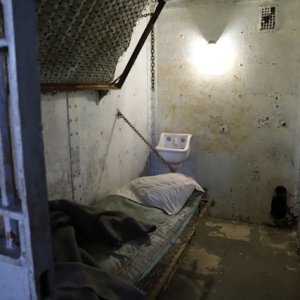
The Lancet reports that tuberculosis incidence in Latin America has increased by 19% since 2015, coinciding with a fourfold rise in the incarcerated population since 1990. While often perceived in Western Europe and North America as a disease of the past or one that primarily affects developing countries, cases are rising in the United States and Canada. Despite being treatable, tuberculosis continues to pose a global health challenge, with early detection and timely treatment being critical to preventing its spread, says Bernard.
“The fact that tuberculosis still kills and sickens so many people is an outrage, when we have the tools to prevent it, detect it, and treat it,” says Tedros Adhanom, Director General, WHO.
Global efforts have saved an estimated 79 million lives since 2000, but recent funding cuts threaten to reverse this progress, reports the WHO. Rising drug resistance, particularly in the European Union, and ongoing conflicts in the Middle East, Africa, and Eastern Europe are exacerbating challenges for vulnerable populations.
Increased human mobility, whether for travel or work, creates opportunities for transmission, while poverty exacerbates the issue, according to Bernard. In Mexico, for example, the highest tuberculosis rates are found in economically disadvantaged regions. Drug resistance further complicates efforts to control the disease, as new strains are emerging that do not respond to existing treatments.
Under the theme "Yes! We Can End TB: Commit, Invest, Deliver," WHO’s 2025 World Tuberculosis Day campaign emphasizes the need for immediate action, accountability, and sustained commitment. Tedros Adhanom, Director General, WHO warns that funding reductions are already disrupting prevention, screening, and treatment programs. He urges governments, donors, and partners to uphold commitments made at the United Nations General Assembly to accelerate efforts to end TB.
In response to the funding crisis, WHO and the Civil Society Task Force on Tuberculosis issued a joint statement outlining five critical priorities. These include addressing service disruptions to ensure tuberculosis responses align with the scale of the crisis and securing sustainable domestic funding to maintain equitable access to care and prevention. The statement also emphasizes the need to protect essential tuberculosis services, including diagnostics, treatments, and social protections; strengthen collaboration between civil society, NGOs, donors, and professional organizations to tackle emerging challenges; and enhance real-time monitoring and early warning systems to detect service disruptions.
As part of its response to funding constraints, WHO has released new technical guidance advocating for the integration of tuberculosis and lung health within primary healthcare. The guidance focuses on early detection, optimized disease management, and improved patient follow-up. It also promotes the efficient use of existing health systems by addressing shared risk factors such as overcrowding, tobacco use, undernutrition, and environmental pollution.
You May Like






Most popular








