


Construction of New Houses Dropped 26.8% Against 2019
 By Fernando Mares | Journalist & Industry Analyst -
Tue, 06/25/2024 - 07:39
By Fernando Mares | Journalist & Industry Analyst -
Tue, 06/25/2024 - 07:39
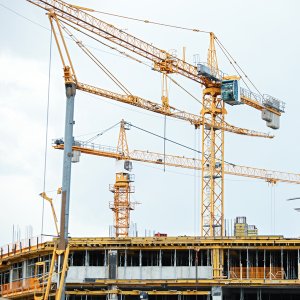
The construction of new houses in Mexico has declined during the first five months of 2024, plunging by 26.8% compared to the same period in 2019, according to the Housing Registry (RUV). This drop coincides with a period of rising housing prices and the potential impact that nearshoring could have on the demand for housing.
According to RUV data, during the first five months of 2024, 50,200 new housing units were produced, marking a 26.8% decrease from the 68,629 units produced in 2019. However, compared to the previous 2023, there has been a slight recovery of 1%.
Some experts have pointed out that housing is often overlooked in discussions about nearshoring, which typically focuses on industrial real estate. However, it is a crucial aspect to consider, particularly because manufacturing workers will need housing in close proximity to their workplaces. Máximo Muñoz, Director of Energy and Sustainable Cities, Egis Group, emphasized that nearshoring is generating inertia in the construction sector, making it imperative for developers to prioritize the development of housing and recreational areas for workers.
Enrique Vainer, CEO, Grupo Sadasi, pointed out the negative impact of bureaucratic hurdles and slow administrative processes on housing projects, leading to cost overruns and delays of up to two or three years for permits. He emphasized the role of INFONAVIT, FOVISSSTE, and the banking sector in financing, suggesting a return to their original roles of builders to complement the housing supply.
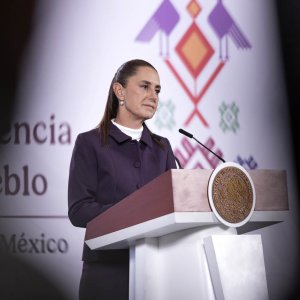
Claudia Sheinbaum and Housing
Sergio Leal, Chair of the Board of Directors, Vinte, highlighted the challenge of financing new housing projects but expressed optimism about the potential for construction growth under the upcoming administration of president-elect Claudia Sheinbaum. He estimated that up to 1 million units could be produced during her six-year term. "México needs affordable, sustainable housing priced at MX$550,000 (US$27,230) in compliance with existing regulations. I believe Vinte could offer these types of products in our communities," Leal told El Financiero.
While some industry insiders are optimistic about the housing sector's future under Sheinbaum's influence, her track record in developing affordable housing during her tenure as Mexico City's Mayor did not meet expectations. Mexico City's Urban Regeneration and Inclusive Housing Program (PRUVI), launched in 2019, has fallen short of its goal to construct between 7,500 and 10,000 affordable homes. As of February 2024, only 3.4% of this target had been achieved, with just three housing developments totaling 253 houses completed under the program.
PRUVI, designed to revitalize urban areas and provide inclusive housing, was expected to cover 23 areas across eight zones, including Centro Historico, Cuauhtemoc, Vallejo, SAC Tacubaya, SAC Granadas, Zona Rosa Master Plan, and the Basilica area. Despite these ambitious plans, progress has been slow, raising concerns about the program's ability to meet its objectives.
You May Like






Most popular








