


Mexico: Regional Tourism Powerhouse at World Travel Awards 2025
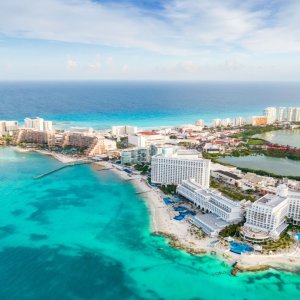
Mexico reaffirmed its status as a global tourism powerhouse after being recognized at the World Travel Awards 2025, where the country earned the title of Mexico & Central America’s Leading Destination. The announcement was made during the Latin American edition of the World Travel Awards held in Cancún, Quintana Roo. The recognition highlights Mexico’s growing influence as a top travel destination and acknowledges the work of government officials, businesses and local communities to strengthen the nation’s tourism industry.
Deputy Minister of Tourism Nathalie Desplas accepted the award on behalf of Minister of Tourism Josefina Rodríguez. In her remarks, Desplas credited the award to the collective effort of state authorities, private sector leaders, and communities that have made Mexico the second most-visited country in the Americas and the sixth worldwide, according to UN Tourism.
“We stand out not only in beach destinations, but also in nature, adventure, health, gastronomy, rural, and business conferences. What truly sets us apart is the warmth of our people,” said Desplas.
Mexico’s Ministry of Tourism (SECTUR) was also named Mexico & Central America’s Leading Tourist Board 2025, a recognition of its ongoing efforts to promote sustainable tourism and expand Mexico’s visibility as a premier destination.
The awards add to Mexico’s accolades as a country ranked sixth globally in international visitors, fifth in cultural resources and first in natural resources, according to the World Economic Forum.
Government Approves Free Access to Beaches and Protected Areas
MBN reported that the Chamber of Deputies has approved, in both general and specific terms, a reform guaranteeing free and unrestricted access to Mexico’s beaches and federally protected natural areas. The initiative secured unanimous voting: 465 votes in favor with no opposition in the general vote, and 470 in favor with only one against in the specific vote. The bill will now move to the Senate for constitutional review.
The reform modifies provisions of the General Law of National Assets and the General Law of Ecological Balance and Environmental Protection. It establishes that access to maritime beaches and the adjoining federal maritime-terrestrial zone must be free, permanent, and without distinction of origin, nationality, or social status. The law explicitly prohibits any attempt to block or restrict entry, except in cases related to environmental protection, public safety, or national interest.
It also bans the imposition of fees, quotas, or restrictive conditions for entry. Concessions and permits granted in these federal zones must now include guaranteed public access.
You May Like






Most popular








