Transformative Effects: Sustainability Standards in Mining



STORY INLINE POST
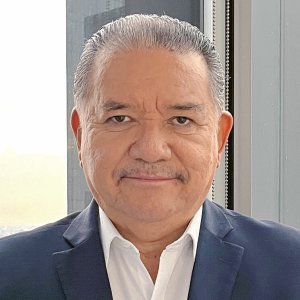


 By Adrián Juárez | CEO -
Fri, 11/03/2023 - 12:00
By Adrián Juárez | CEO -
Fri, 11/03/2023 - 12:00
The governments in Latin America and Mexico are the same: With the support of green or anti-mining nongovernmental organizations (NGOs), they use the protection of the environment and the defense of communities as excuses to limit the advancement of the mining industry. In the end, those affected are mining employees, among whom are a large number of neighbors who lose job and growth opportunities that could transform their lives forever. The mining industry is developed in rural areas where governments have little or no presence and usually the level of poverty is high; rather than discourage mining, it should be seen as a unique development opportunity that should be protected for the good of the people.
In Latin America, environmental and social regulations are underdeveloped and do not align with the ideals of governments and interest groups. This situation allows governmental power to be misused, leading to the denial of operational continuity in the mining sector. Even if companies comply with the current regulations, it is insufficient to meet all expectations. In Mexico, the government has expressed its disapproval of open-pit mining, and has expressed concerns about tailings dams, water usage, and the lack of guarantees for mine closures. The ideal solution would be for regulations to reflect the desired improvements. However, this is hindered by the prevailing status quo, which enables the government to exercise its authority without limitations.
In response to government pressure and, more recently, demands from metal buyers, mining companies are now committing to comply with specific environmental and social standards, irrespective of the country in which they operate.
A sustainability standard for the mining industry is a set of guidelines and criteria established to ensure that mining operations are conducted in an environmentally responsible, socially equitable, and economically viable manner. These standards are designed to mitigate the negative impacts of mining activities on the environment, local communities, and workers while promoting long-term sustainable development. Key components of a sustainability standard for the mining industry typically include environmental protection, social responsibility, ethical business practices, occupational health and safety, economic development, compliance and monitoring, and continuous improvement. These standards are often developed by industry associations, NGOs, or international bodies. Adherence to such standards not only benefits the environment and communities but also enhances the reputation of mining companies, fosters investor confidence, and meets the increasing demands for ethical and sustainable practices in the global market.
In Mexico, the implementation of sustainability standards has been gradual. In March 2023, the Mexican Mining Chamber (CAMIMEX) adopted the TSM – Toward Sustainable Mining standard, developed by the Mining Association of Canada (MAC). Originally introduced in Canada in 2004, this standard involves a Community of Interest Advisory Panel (COI) responsible for annually reviewing verification results and offering a critical perspective on concerns related to the standard. TSM covers various essential areas, including biodiversity conservation, climate change, crisis management and communications planning, Indigenous and community relationships, prevention of child and forced labor, safety and health, water stewardship, and tailings management. This standard will be enforced by all mining companies affiliated with the chamber and the COI could serve as a crucial element in addressing the concerns of different stakeholders. However, it will take several years before tangible results emerge, mirroring the successful outcomes seen in Canada.
Gold-producing mining companies, including Agnico Eagle Mines (Pinos Altos and La India), Fresnillo (La Herradura, Noche Buena, Soledad, and Dipolos), Newmont (Penasquito), Equinox Gold (Los Filos), and recently Torex Gold (El Limón Guajes and Minera San Julian), are actively implementing the International Cyanide Management Code. Sodium cyanide, a vital chemical for dissolving precious metals within rocks, must be handled with utmost care. This code enforces stringent controls to prevent spills, contamination, and poisoning resulting from cyanide handling. Notably, it is also adopted by the manufacturing companies, such as Cyplus-Idesa, and transportation companies responsible for its delivery to the mines in Mexico. The implementation process involves a rigorous audit every three years, and the results are made public. This ensures accountability and transparency throughout the industry, promoting safer handling practices and environmental protection.
The IRMA – Initiative for Responsible Mining Assurance standard was launched in 2019 and has been adopted by Carrizal (Zimapan) Mining, a company in Mexico that has successfully completed its initial audit. Several other companies have expressed their intent to adopt this standard, including Peña Colorada (owned by Ternium and ArcelorMittal), Mina Aquila (Ternium), as well as Las Truchas and San José mines (ArcelorMittal). This standard is endorsed by diverse stakeholders, including major metal buyers such as BMW, VW, Mercedes-Benz, Tesla, Rivian, and Ford, jewelry manufacturers like Tiffany & Co., and companies in the software and hardware industry, such as Microsoft and Intel. It is also supported by nongovernmental organizations, affected communities, unions, and the mining industry at large. The standard addresses the following key aspects: Business Integrity, Planning and Managing for Positive Legacies, and Social and Environmental Responsibility. Furthermore, the mines undergo regular audits by a third party, and the results of these audits are made public. This transparent evaluation process ensures accountability and promotes responsible practices within the mining industry.
The World Gold Council (WGC) developed a standard called Responsible Gold Mining Principles that are applicable to its members and considers 10 principles grouped under the concepts of Governance, Social Responsibility and Environmental Responsibility. The companies that operate in Mexico and are part of the WGC are Agnico Eagle Mines, Alamos Gold, Equinox Gold, Newmont, Pan American Silver, and Torex Gold.
Furthermore, the International Council for Mining and Metals (ICMM), comprising the world's largest mining companies, has established its own sustainability standard. Newmont is the sole company operating in Mexico that holds membership in this organization. The ICMM’s most relevant standard is related to tailing management and is known as the Global Industry Standard for Tailings Management, which is being implemented across the globe as a measure to reduce risks at these facilities.
Given the substantial number of mining companies associated with CAMIMEX, several mines will need to implement and comply with at least two standards simultaneously. In my opinion, the most significant impact will stem from the adoption of the standard used by the Mining Association of Canada. This move could reshape the industry's perception not only among the public but also among government officials. It can promote transparency, bolster credibility, enhance relationships with communities, encourage ethical conduct, and garner global recognition. However, it's important to note that not all standards are viewed the same way by the international public. Consequently, some companies may need to adopt multiple standards to incorporate the perspectives of a broader audience. If the Mexican government advocates for the application of sustainability standards and adjusts its regulations to align with its own expectations, it could mark a crucial step toward the rural development of Mexico rather than being a source of discord.
Are you ready to set yourself up for success in 2024? Join us at Mexico Business Summit 2023, the must-attend B2B conference for Mexico’s business leaders!
Taking place on Nov. 28-30, 2023, at Expo Santa Fe in Mexico City, this high-level multi-industry conference offers unmatched opportunities to get inside perspectives on key industry trends, access actionable business intelligence, generate pre-qualified leads and identify new opportunities in a unique cross-industry networking environment.
Mexico Business News offers you an exclusive MX$2,000 ticket discount by using this code: MBS2023MBN2000.
Don't miss this opportunity and get your tickets here: https://mexicobusiness.events/MBS/2023
You May Like







Most popular