Activists Urge Mexico to Halt LNG Projects in Gulf of California
 By Andrea Valeria Díaz Tolivia | Journalist & Industry Analyst -
Tue, 07/15/2025 - 09:47
By Andrea Valeria Díaz Tolivia | Journalist & Industry Analyst -
Tue, 07/15/2025 - 09:47
Environmental and social organizations sent a letter to President Claudia Sheinbaum and Minister of the Environment Alicia Bárcena, urging the government to halt construction and operations of two LNG projects in the Gulf of California. In the letter, the activists cite concerns over environmental degradation and social impact.
The letter is a joint effort by the Economic, Social, and Cultural Rights Project, the Mexican Center for the Defense of the Environment, the Mexican Center for Environmental Law, and Our Rights to a Healthy Future and Environment. Together, the organizations point to what they say are irregularities in the approval and oversight of LNG infrastructure projects in the region.
Four LNG-related developments threaten the Gulf’s ecosystems, reads the letter. Two projects, the Sierra Madre gas pipeline and Mexico Pacific’s Saguaro Energía LNG plant, have what the organizations call “irregular authorization” from ASEA, Mexico’s environmental safety agency. The other two, the Northern Corridor gas pipeline and Vista Pacífico LNG terminal, remain under environmental review.
According to the letter, these projects pose both ecological and social risks. On land and at sea, they could introduce pollution and disrupt habitats, with cascading effects on local communities that depend on the region’s ecosystems for food and cultural practices. The organizations stress that the environmental consequences also translate into social harm, from jeopardizing fisheries to altering landscapes of cultural significance.
The Saguaro Energía LNG plant in Puerto Libertad, Sonora, alone is projected to emit roughly 5.4 million t of CO₂e annually within Mexico, and an estimated 73 million t once upstream extraction, processing, and transportation are accounted for. A report by the Mexican Climate Initiative equates those figures to emissions from 1.3 million and 17.4 million cars, respectively, driving for a year.
Environmental groups have previously criticized Mexico Pacific’s terminal for the potential disruption to whale populations in the Gulf, driven by an expected uptick in tanker traffic. The Sierra Madre pipeline, which feeds the terminal, may also fragment wildlife corridors and contribute to methane leaks, compounding environmental risks.
In their letter, the organizations urge authorities to undertake four key steps: conduct a regional environmental impact assessment specific to the Gulf of California, suspend ongoing LNG infrastructure projects, revoke any improperly granted permits, and take proactive measures to mitigate environmental and social harms.
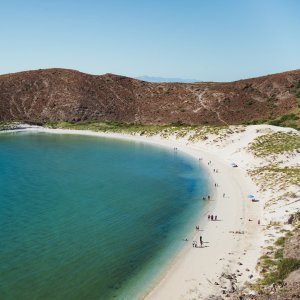
One of the core concerns is the potential damage to the Gulf of California’s unique biodiversity. Often referred to as “the world’s aquarium,” the Gulf covers 16 million hectares and is home to more than one-third of the world’s marine mammal species, over 900 species of fish, and 4,500 invertebrates. It has held UNESCO World Heritage status since 2005 and includes several protected reserves.
The letter argues that expanding oil and gas infrastructure in such a critical natural area runs counter to the administration’s stated environmental goals. Mexico’s 2025–2030 National Development Plan emphasizes sustainability and stewardship of natural resources. Yet, the development of LNG plants and pipelines in a biodiversity hotspot undermines this vision, the organizations say, and contradicts constitutional protections for the country’s natural heritage.
As a path forward, the groups point to the Strategic Environmental Assessment (SEA) framework recommended by the UN’s Economic Commission for Latin America and the Caribbean (CEPAL). Unlike project-level assessments, the SEA is used to evaluate broader plans and programs before they are finalized, embedding sustainability into early decision-making. It considers long-term ecosystem impacts, institutional contexts, social values, and cumulative effects, offering a more systemic lens for environmental planning.
The organizations are now calling on the government to apply an SEA to the LNG projects in the Gulf. Not only is it a key component of the Energy Transition Planning Law adopted in March, but it is essential for understanding the complex, long-term consequences these projects could have, they argue. If the SEA finds significant risks to the region’s social, biological, or ecological integrity, they insist that the government must halt the projects.
Despite these calls, Mexico Pacific maintains that its project has passed all required checks. The company states it has received approvals from federal, state, and municipal authorities and has followed international due diligence protocols. As part of its environmental strategy, it conducted a Climate Change Risk Assessment aligned with TCFD standards. The analysis examined 11 potential climate hazards across multiple scenarios and time horizons, none of which, the company says, pose major risks to the project’s operations.
You May Like




Most popular