Colombia, Mexico, Peru Form LPG Alliance
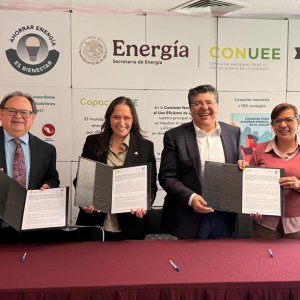
Colombia, Mexico, and Peru have announced the creation of a regional energy alliance aimed at strengthening the role of liquefied petroleum gas (LPG) in Latin America’s transition toward cleaner and more diversified energy systems. The agreement, unprecedented in the regional energy sector, seeks to enhance cooperation in technical standards, regulation, digitalization, and logistics across the LPG industry.
The initiative brings together Agremgas from Colombia, Amexgas from Mexico, and the Peruvian Society of LP Gas (SPLG) from Peru, establishing a two-year framework for collaboration. The associations said the alliance will serve as a joint platform to coordinate efforts in improving market competitiveness, increasing supply security, and elevating LPG’s position in regional policy discussions.
The agreement also aims to position LPG as a modern, secure, and competitive energy alternative with tangible benefits for households and industries.
According to Agremgas, the alliance represents a strategic opportunity to broaden household access to cleaner and more reliable energy while reducing dependence on higher-emission fuels. The Colombian association noted that regional cooperation can bring broad social benefits through more competitive prices, improved distribution infrastructure, and a more stable energy supply.
From Mexico, Amexgas emphasized that the agreement will reinforce the LPG sector’s role in the regional energy agenda and enable faster progress toward market formalization, regulatory modernization, and stronger engagement with governments and multilateral institutions.
In Peru, SPLG underlined that the initiative offers a mechanism to reduce market informality and raise safety and service quality standards. The organization said the alliance could generate direct benefits for consumers by improving transparency, efficiency, and overall service delivery in the LPG market.
The agreement envisions the creation of a shared business platform through which the three associations can negotiate collectively with national authorities and international organizations. This cooperative structure is expected to strengthen the regional LPG market, enabling members to better address regulatory and logistical challenges while promoting sustainable growth in the sector.
The participating associations also stated that the alliance intends to place LPG at the center of regional discussions on sustainability and energy security. By aligning technical cooperation and launching joint communication initiatives, the group aims to demonstrate LPG’s contribution to building a more inclusive and resilient energy matrix.
“The goal is to make LPG a key component of Latin America’s energy future,” the associations said in a joint statement. “Through coordinated action, we can promote energy access, enhance competitiveness, and ensure that the benefits of modernization reach millions of families across the region.”
Looking ahead, the partners expressed their intention to expand the alliance to include other Latin American countries. Over time, they hope to form a broader regional network capable of influencing the global conversation on energy transition, sustainability, and supply security.
You May Like



Most popular