

Brand Perception: Build It, or Someone Else Will



STORY INLINE POST


 By Emanuel Westdorp | Founder and Brand Strategist Director -
Fri, 10/31/2025 - 08:30
By Emanuel Westdorp | Founder and Brand Strategist Director -
Fri, 10/31/2025 - 08:30
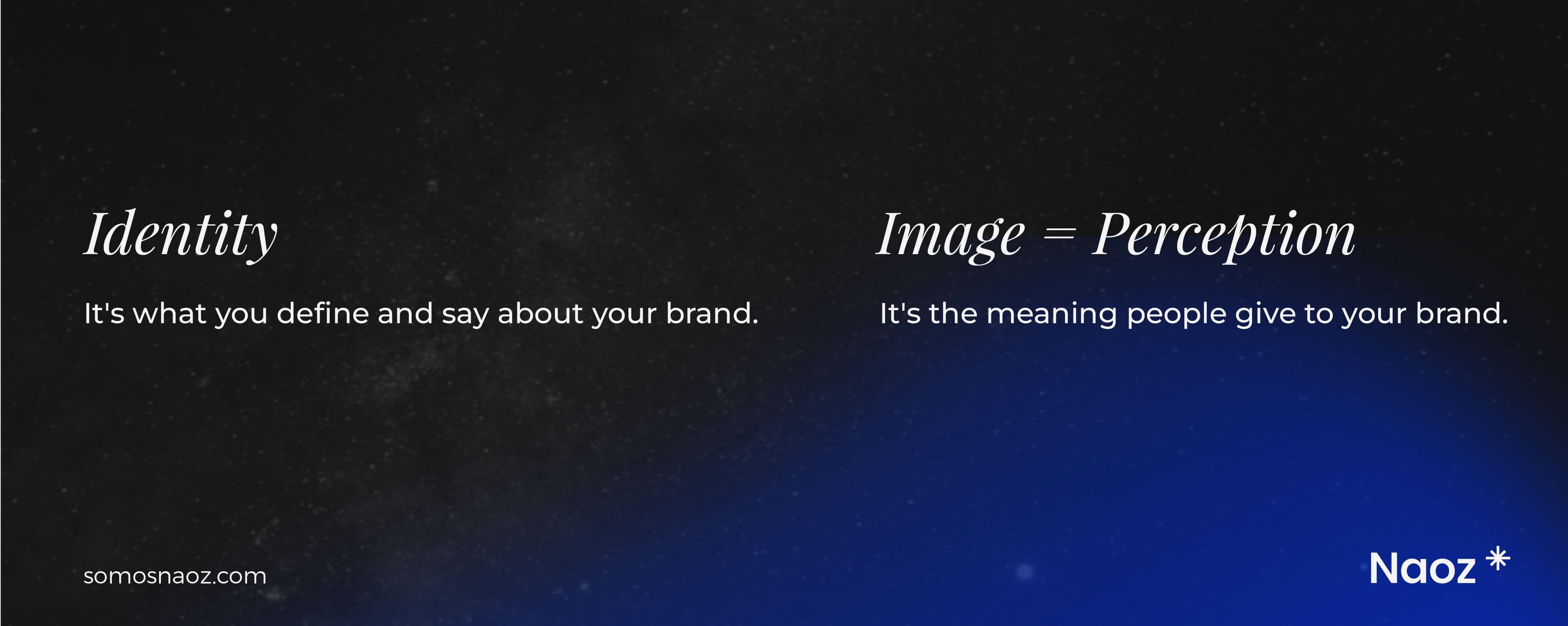
Either you define your brand's meaning and how you want to be perceived, or someone else will do it for you.
For your customers, perception is the true reality of who your brand is.
It's the mental construction that people have of your brand, and it will define your competitive position in the market. It's the result of what you project, and what you don't: values, experiences, and beliefs that directly influence customer behaviors and loyalty.

[IMAGE 01]
Today, the average person receives over 3,500 daily brand impressions, and we don't even notice.
The positioning challenge lies in occupying the desired "mental territory" for the brand, meaning securing a relevant space in the consumer's mind and maintaining it coherently and consistently.
Daniel Kahneman, father of behavioral economics, defined the concept of "peak-end rule" to explain why the overall evaluation of an experience is largely based on the moments of greatest intensity (the peak) and how it ends (the finale), not on the total duration of the experience.
Therefore, perception is a cluster of touchpoints that yield perception as a result. It's what is said and how it's said, it's what the customer experiences, and it's the brand's authenticity in creating emotional connections that reinforce it.
You can shout that you have the best product, that you have innovation, quality, and blah blah blah, but if the customer doesn't recognize it in the sea of options, it simply doesn't exist.
The Reality Gap: Where the Problem Begins
The main reason reputation breaks down is the broken promise, generating a reality gap: that disconnect between what is promised and what is delivered.
For example: We say we're innovative, but do we have an R&D department? Do we encourage a culture of experimentation? We say we're approachable, but do your customers recognize that closeness at every moment? Do we have channels and means where customers feel accompanied?
It's about asking ourselves: Are we giving people reasons to believe in what we claim to be?
Obviously, each case is unique, but one of the most frequent mistakes brands make is trying to correct perception with tactical and reactive actions: changing the logo, launching a campaign, hosting an event. If the brand is worn down or even "broken," correction isn't achieved through superficial communication or patches, but through genuine and authentic change that solves from the root — we'll dive deeper into this in the steps ahead.
Perception demands strategic construction, long-term coherence, and absolute honesty.
We've talked about acting coherently with what the brand says, but we must also highlight when it chooses what it doesn't say. Silent moments and non-behaviors also build perception.
As I discuss in the article, "Why Day-One Branding Is Make-or-Break for Startups," brands that don't take a clear position on certain issues relevant to their audiences will be called out.
Key Steps to Close the Reality Gap
Building solid perception requires clarity about the strategic resources that will help us create the desired perception , providing clarity about where we are and where we want to go. Being proactive, not reactive.
1. Diagnose the Current Landscape
A complete audit of where the brand stands today, what the internal and external perception is, understanding coherence levels, listening to customers. A snapshot of the context.
2. Define the Strategy
Define the brand's DNA, establish the direction in which to build the space we're going to occupy and each element that helps project who we want to be, inwardly and outwardly from the organization.
3. Activation at Every Touchpoint
Map all the points where the brand interacts with its audiences — internal and external — and evaluate what and how it's communicating at each one.
4. Refine and Minimize the Reality Gap
We seek to align and build coherence between what we define as strategy and how we make it real in activation. It's time to question ourselves on how the promise gets delivered.
Managing and Measuring the Course
Brand management isn't just about measuring, it's about providing clarity on how brand resources will be used day-to-day to ensure efficiency and long-term coherence. Implementation guidelines, tools that centralize strategic assets, and manuals that simplify internal processes.
A brand can be perfectly defined strategically, but without this clarity, it's a matter of time before it falls into confusion and inconsistency.
These systems should facilitate the creation, decision-making, and approval of materials both internally and externally, ensuring the required coherence at each touchpoint without being perceived by teams as bureaucratic obstacles, but as facilitators that help maintain consistency while simplifying work.
Regarding measuring the direction in which we build a brand: Metrics like NPS are good references, but if we rely only on them, we stay on the surface of what's happening. It's essential to complement with other metrics to understand perception in both transactional experience and cross-functional experience.
Wrapping Up
For those who think branding is expensive, they should know the cost of not working on it until you have a misaligned brand perception.
Here are some quick tips:
- Cultivating good perception starts with being mindful of what you promise. This isn't a sprint, it's a marathon.
- Perception is built long-term with strategy, not with reactive impulses.
- Authenticity without posturing. Audiences detect lack of coherence. Be what you claim to be or don't claim it.
- Define your steps — every interaction builds or destroys your brand.
The gap between what you say and what you deliver is where perception dies. Close it.
Emanuel Westdorp is Founder of Naoz, a branding and strategy company, and Principal Brand Strategist. Transforming brands that drive business growth.
Most popular








