

Inside the Managers Toolbox: ‘Democraship’




STORY INLINE POST





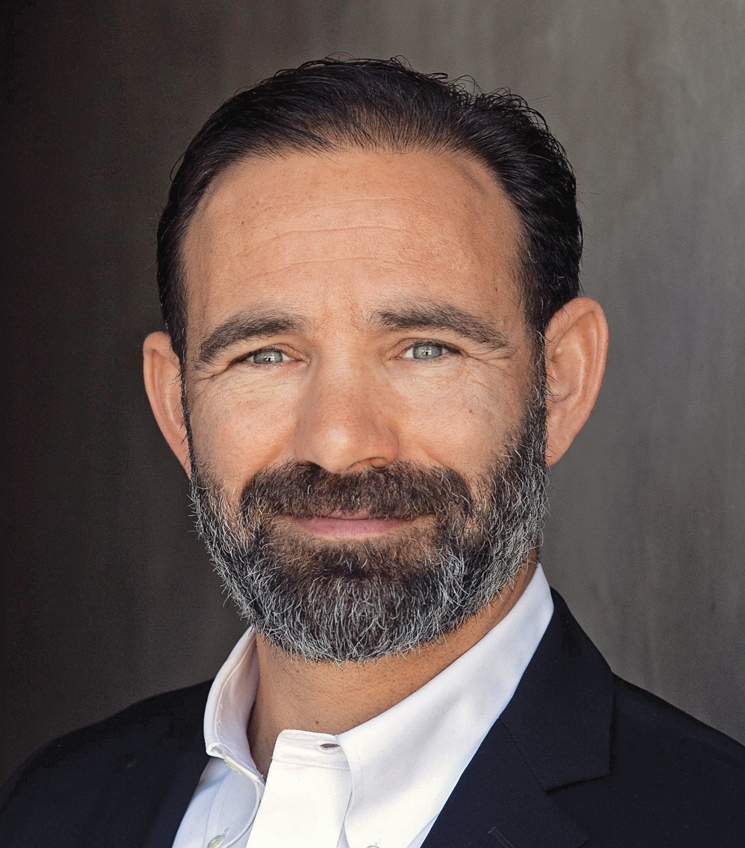 By Shoham Adizes | Certified Senior Associate -
Tue, 10/22/2024 - 12:00
By Shoham Adizes | Certified Senior Associate -
Tue, 10/22/2024 - 12:00
“Democraship,” is a term coined by Dr. Ichak Adizes that defines the conflict that exists between democratic and dictatorial systems. For good management to exist, managers must do two things, decide and implement. The challenge inherent in this is that in order to make good decisions people need to feel free to disagree. This approach to management, which is democratic in nature, ensures that those making the decisions have access to the information they need to make good decisions.
The problem with this open, democratic approach to management is that, when the time comes for implementation, if people continue to feel free to disagree, they will stop implementation from taking place. Thus, to assure effective implementation, we need a more dictatorial approach to management. In this approach, people should not feel free to disagree. Rather, they should do what they are told regardless of their personal opinions on the subject.
In summary, to make good decisions, we want people to “speak up” when they disagree (democratic approach). But to assure that decisions are implemented, we want people to “shut up” when they disagree (dictatorial approach). This conflict between allowing people to “speak up” while also telling them to “shut up” is the conflict of “democraship.”
A good illustration of democraship can be seen in Thailand's history of continuous coups and transitions from democracy to dictatorship.
Dictatorships provide stability, but as they do not allow for disagreements and open dissension, over time, they are left unaware of the underlying issues important to the people. Without access to this information, the dictatorship makes political mistakes. Eventually, the dissension, which had been subdued by the dictatorial government, becomes overt and manifests itself in the form of riots and demonstrations. The people demand to be heard. Eventually, a democratically elected government comes into power. This democratically elected government manages with a constitution that allows for dissent. While this fosters the sharing of information and airing of disagreements, over time, little is accomplished. There is simply too much talk and not enough action. In this way, the democratic government loses credibility, people are anxious for a strong leader who can create change, and a new coup takes place starting the cycle all over again.
For example, in Thailand in 1973, a student-led riot in Bangkok brought about the fall of the military government. Free elections were held that same year. As the government was democratically elected, it managed using a democratic approach and disagreements were allowed. As a result, the government was not able to create the changes it had promised. Thus, only three years later, in 1976, the democratically elected government lost credibility and there was another military coup and a return to dictatorship. Just two years later, in 1978, a new constitution was written and there was a return to a democratic government. That lasted until the next military coup in 1991.
As you can see, these two approaches, democracy and dictatorship, while both needed for good management, are in direct conflict with one another and, if left unchecked, can result in violence, discontinuity of government, and reduced economic activity.
On an organizational level, if managers do not properly manage the conflict of democraship then problems like “malicious obedience” (where workers do what they are told even though they fully know that it will be bad for the company,) “decisions made but not implemented,” “loss of trust and respect,” “loss of market share,” and “loss of profits” can result.
So how do we manage this conflict of democraship. Dr. Adizes prescribes that for good management to take place we need democracy in decision-making and dictatorship in implementation. We should allow people to voice their opinion when we are making a decision, but once the decision is made it should be very clear that the time for dissension has passed and now we must align around the actions that need to be taken, despite our personal feelings on the subject. Getting this right is one of the key tools every manager must master.
How can we as managers allow for the workers to “have their say,” while still understanding that they may not necessarily “have their way?” How can we allow the workers to “speak up” without undermining the authority of management to make the final call?
When the conflict of democraship is done right we find that better decisions are made (as an environment where information can be openly shared is created), but at the same, time, because the transition to dictatorship is created and because the workers cooperated in the creation of that decision, implementation is much faster and done in good faith.
Reference - https://www.cbc.ca/news/world/thailand-s-19th-coup-underscores-country-s-fatal-flaw-1.2658846
You May Like
Most popular








