

Mexico Emerging as Hotspot for Shared Services
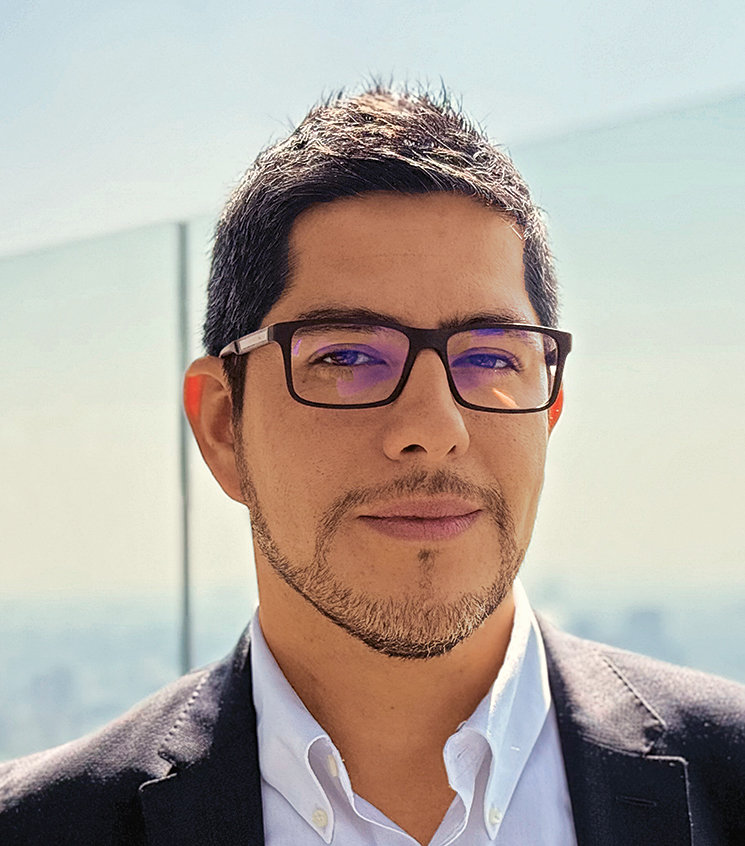






 By Alfredo Araneda | Senior Director Hispanic America -
Tue, 10/28/2025 - 09:00
By Alfredo Araneda | Senior Director Hispanic America -
Tue, 10/28/2025 - 09:00
As companies worldwide reconfigure their operations and workforce models, Robert Walters identifies Mexico as one of the fastest-emerging strategic locations for global talent mobility and shared-services growth.
In a world reshaped by economic uncertainty, technological disruption, and globalization, Mexico is emerging as a regional powerhouse for business operations and talent deployment. According to new insights from Robert Walters, a leading global talent consultancy, Mexico has become a preferred destination for companies seeking agility, cross-border collaboration, and access to skilled professionals capable of driving transformation.
Over the past year, Mexico has seen an unprecedented wave of expansion of shared-services centers, and the arrival of multinational firms relocating key functions from Asia and Europe. This trend is not only redefining the country’s role in global supply chains but also creating a profound impact on the local talent market — one where bilingual, adaptive, and highly specialized professionals are in higher demand than ever before.
Mexico is no longer seen simply as a low-cost operations hub. It is now a strategic platform for talent, innovation, and global connectivity, and the nearshoring wave has transformed the profile of professionals in demand — organizations are seeking leaders who can operate across borders, integrate cultures, and align business strategy with people strategy.
Nearshoring and Shared Services
The global shift toward supply-chain resilience and regionalization has positioned Mexico as a natural extension of North American corporate ecosystems. Companies in manufacturing, technology, finance, and professional services are increasingly basing their shared-services operations in cities such as Monterrey, Guadalajara, and Queretaro.
Five years ago, shared-services centers in Mexico primarily focused on transactional activities. Today, they manage high-value processes — analytics, risk management, R&D, digital transformation, and compliance — that require technical expertise and leadership skills. This evolution is elevating the standards of talent expected in the market.
Robert Walters data shows that Mexico’s demand for bilingual professionals in finance, data analytics, technology, and compliance has risen by over 40% in the last 18 months. Additionally, salaries for specialized roles in technology, engineering, and supply chain have experienced double-digit growth due to competition for limited skill sets.
These shifts indicate that Mexico is entering a new talent era, where the focus is no longer on filling roles but on building long-term strategic capabilities.
Talent Mobility: The New Competitive Edge
As the corporate world becomes more interconnected, talent mobility — the ability to move professionals seamlessly across countries, departments, and hybrid models — is now a key differentiator.
Mexico’s geographical location, time-zone alignment with the United States, and cultural adaptability make it an ideal hub for cross-border collaboration. Organizations are increasingly adopting hybrid workforce models that combine local expertise with remote and relocated talent, blending Mexican and international professionals into global project teams.
According to Robert Walters’ "Global Talent Relocation Trends Report," companies that invest in structured talent-mobility programs see up to 25% higher retention rates and significant gains in productivity and engagement.
Mobility is no longer just about relocating employees. It’s about creating ecosystems where talent can grow, move, and contribute value across multiple geographies. Mexico is proving that it can be a bridge between Latin America and the global economy.
Five Emerging Trends Shaping Mexico’s Talent Landscape
Regional talent hubs: Mexico is consolidating its position as a regional base for both North and South America, particularly in finance, compliance, digital, and operational excellence roles.
Mobility-first hiring strategies: Companies are designing roles with global exposure and potential relocation in mind, valuing professionals open to hybrid or international assignments.
Digital-native bilingual professionals: The new generation of Mexican professionals combines technical proficiency with international communication skills, becoming critical assets in global projects.
Integrated talent ecosystems: Recruitment, training, internal mobility, and retention are being treated as interconnected pillars of one unified talent strategy.
Employer branding with a global narrative: Organizations based in Mexico must position themselves as part of a worldwide career journey to attract high-impact professionals.
Leadership and Culture: The Decisive Factors
While infrastructure and geography give Mexico a natural advantage, leadership and culture will determine whether organizations truly succeed in attracting and retaining global talent.
Talent strategy cannot exist without a strong cultural foundation. Employees are looking for authenticity, flexibility, and purpose. The best companies are those that foster empathy, diversity, and continuous learning — values that resonate deeply with the new generation of professionals.
Robert Walters advises companies to view well-being, inclusion, and development as integral components of business performance. In this context, Mexico has the opportunity to redefine its image as a human-centric business destination, capable of balancing competitiveness with care.
A Call to Action for Global and Local Companies
As international organizations expand in Mexico, the call from Robert Walters is clear: It is time to future-proof talent strategies.
Companies must ask themselves:
Are we designing roles that enable regional and cross-functional growth? Do our teams have the skills and cultural fluency to collaborate globally? Are we building leadership pipelines ready for international responsibility?
Mexico’s rise as a talent hub is not a coincidence. It’s the result of resilience, adaptability, and a growing ecosystem of professionals eager to lead beyond borders. The companies that invest in people today will define the competitiveness of tomorrow.
You May Like


Most popular








