


Mexico City Launches Biodiversity Monitoring Training Program
Mexico City’s Ministry of Environment (SEDEMA) has begun a series of training sessions for the technical team implementing the city’s Biodiversity Monitoring Program. The initiative, led by the General Directorate of the System of Protected Natural Areas and Areas of Environmental Value (DGSANPAVA), aims to strengthen the team’s skills in identifying biological groups to assess biodiversity status and improve management practices.
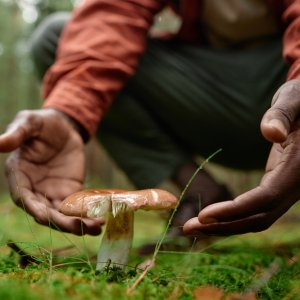
The first sessions focused on fungi and lichens, which have limited records in Mexico City due to the complexity of their identification. Around 1,400 fungal species are estimated to exist in the capital, though the number of lichen species remains unknown.
Mycology training was conducted for the second time in collaboration with UNAM's School of Sciences. Through this partnership, the teams improved their ability to identify and recognize species, registering 111 fungal species across the 17 Protected Natural Areas that participate in the Biodiversity Monitoring Program.
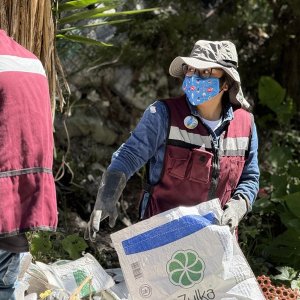
Approximately 50 operational technicians from DGSANPAVA participated in the workshops, along with teams from Areas of Environmental Value, which will begin biodiversity monitoring in ravines and urban forests in the coming months.
Future sessions will cover moths, and Ecosystem Monitoring–Carbon Capture. The carbon capture training will help technicians and field brigades apply standardized methodologies to collect reliable data on carbon storage in ecologically valuable sites such as Protected Natural Areas, ravines, and urban forests.
Through these efforts, the Government of Mexico City, and SEDEMA, reaffirm their commitment to conserving the city’s biological diversity across its protected and urban natural spaces.


Most popular








