

Beyond the Résumé: Balancing AI and Human Insight in Recruitment




STORY INLINE POST

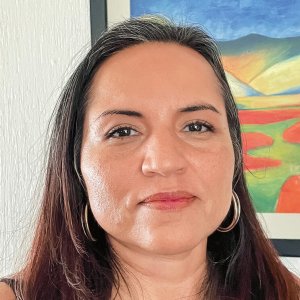





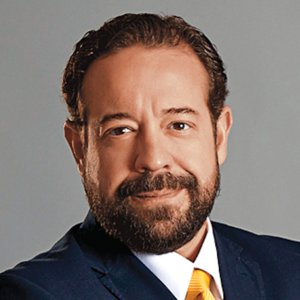
 By Aura Moreno | Journalist & Industry Analyst -
Thu, 08/07/2025 - 11:00
By Aura Moreno | Journalist & Industry Analyst -
Thu, 08/07/2025 - 11:00
Q: With over 20 years in the field, what changes have you seen in the profile of specialized talent in Latin America over the past five years?
A: Latin America’s talent profile has evolved significantly, especially in technology, data, and sustainability. This shift reflects the region’s adaptation to increasingly digital and environmentally conscious business environments. The workforce now spans five generations, introducing new challenges in leadership and collaboration. The emergence of AI has also accelerated demand for specialized, agile talent, not only in tech, but also in finance, marketing, and operations.
Q: How is Robert Walters adapting to the evolving labor market in Mexico, particularly with AI integration, candidate experience, and recruitment speed?
A: Our main challenge is not finding candidates, but ensuring cultural alignment and critical transversal skills. Clients demand speed and precision, especially with the scarcity of specialized talent. Candidate experience is now a differentiator. As brand ambassadors for our clients, we place the candidate at the center of every process, knowing each interaction impacts long-term hiring outcomes.
We take a hybrid approach to technology. AI helps streamline our processes, but clients and candidates still value human connection. We adapt our tools depending on each client’s digital maturity, while some are adopting new technologies others still rely on established assessments. We never push unnecessary tech, focusing instead on what adds value to the process.
Q: How does Robert Walters position itself as an attractive employer in this dynamic market?
A: Our strength lies in the diversity of our team across Latin America, spanning industries, academic backgrounds, and age groups from 25 to over 50. This diversity enables us to relate meaningfully with a wide range of clients and candidates. We are also integrating recruitment, specialized, and advisory services, which allows us to address varied HR needs, from executive search to compensation benchmarking and outplacement support.
Q: What progress have you seen in inclusive hiring practices, and how do you advise clients on this front?
A: We support client initiatives like all-female shortlists when feasible, but we approach inclusion organically, not through rigid quotas. Inclusion must not become reverse discrimination; we prioritize competencies over demographic traits. If a client’s expectations do not align with market realities, we help adjust their criteria and explore alternative talent pools.
Q: How is Robert Walters leveraging compensation data and market insights to support talent attraction and retention?
A: Data is now essential. Our Advisory unit, supported by data scientists across Germany, the UK, Singapore, and Japan, delivers validated and localized insights that help clients benchmark roles and understand labor market trends. We go beyond résumés, equipping organizations with the intelligence to make strategic and compliant hiring decisions.
Q: Which sectors are seeing the most demand for specialized talent, and what is driving this?
A: Nearshoring has created strong demand in Mexico for talent in technology, logistics, and manufacturing. US companies are optimizing supply chains, and Mexico’s location and trade agreements make it a strategic hub. We also see growth in shared services and centers of excellence. In the Southern Cone, especially Chile, startups are driving demand for digitally native professionals, with companies like MercadoLibre helping set the pace.
Q: How are companies assessing creativity, analytical thinking, and continuous learning in talent selection?
A: Creativity and innovation are often evaluated through structured assessments. Problem-solving tests, for example, simulate adverse scenarios to gauge decision-making ability. Micro-credentials and certifications have also gained credibility as indicators of adaptability. Today, a traditional degree is only one part of the picture; employers are increasingly focused on a candidate’s ability to evolve and reskill in real time.
Q: How does Robert Walters address the imbalance between high demand for tech talent and limited local supply?
A: We leverage our global reach to advise clients on cross-border sourcing. Mexico City is attracting professionals from France, Spain, Chile, Argentina, and Brazil. We actively facilitate this mobility and support relocated professionals as they integrate into local operations.
Q: What challenges arise when relocating foreign professionals, and how do you support their adaptation?
A: The key challenges are cultural: differences in workplace norms, diversity, and agility. Executives often expect faster decision-making. We support them through executive coaching and shadowing, helping them overcome operational barriers and contribute effectively from day one.
Q: How do you see recruitment evolving, particularly with trends like AI adoption and the reintegration of experienced professionals?
A: Recruitment is evolving beyond AI adoption to encompass broader shifts such as automation, remote work, sustainability, and demographic changes. While AI remains a key enabler, leadership must be more human-centric, as candidates are increasingly selective and expect organizations to earn their interest. Flexible models like hybrid work and compressed schedules are becoming standard.
At the same time, a notable trend is the reintegration of experienced professionals, or what we call “de-retirement.” In markets like Spain and France, talent shortages and a renewed appreciation for crisis-tested leadership have accelerated this movement. In Mexico, it is still gaining traction, but momentum is building as companies begin to confront age-related biases and recognize the value of multigenerational teams
Q: What tensions are you seeing between employee expectations for remote work and employers' return-to-office policies?
A: Many companies have reverted to in-person models post-pandemic, but this has led to high attrition, with the average tenure in Mexico being around 1.5 years. In cities like Mexico City and Monterrey, traffic impacts both productivity and well-being. Companies that offer flexible arrangements are not only attracting better talent but also improving engagement and retention.
Q: With AI-generated résumés now matching job descriptions perfectly, how do you identify real talent?
A: AI has made it harder to spot genuine fit based on CVs alone. Our value lies in the long-term relationships we build with candidates—often before they apply. This allows us to track their growth, mindset, and cultural alignment. It is that human insight, developed over time, that sets us apart.
Q: How is Robert Walters preparing for the future as we approach 2025?
A: We are focused on deepening our impact in existing markets rather than expanding into new ones. After 15 years in Brazil, we made a strategic decision to exit and redirect resources to regions where our services add greater value. We are also broadening our reach, investing in early-career professionals, while expanding executive search to meet rising leadership demands. Our goal is to deliver the full breadth of our portfolio: recruitment, transformation advisory, talent development, and career transition support.
Robert Walters is a global specialist recruitment firm operating in 32 countries with over 3,700 employees. It is known for innovating in specialized services and digital tools.
You May Like


Most popular








