From Cost to Value: Skills for Mexican Talent in the AI Era



STORY INLINE POST






 By Carlos Sanchez | CEO -
Wed, 12/10/2025 - 08:30
By Carlos Sanchez | CEO -
Wed, 12/10/2025 - 08:30
Mexico no longer competes only against Asia, it also competes against algorithms that are rewriting how value is created in every company. Nearshoring has filled the headlines with announcements of investments in Nuevo Leon and the industrial northeast, the automotive Bajío, the northern border, and the Isthmus of Tehuantepec (trans-isthmus) corridor, where manufacturing, advanced logistics, and shared services are combined. But if that wave arrives without a serious human skills plan, we run the risk of becoming AI's preferred maquila — and not the brain that designs it.
Meanwhile, the structure of jobs has already changed. Lightcast analysis estimates that nearly a third of the skills required for an average job have been transformed in just three years, driven by the adoption of AI. More than half of the job openings that mention AI worldwide are no longer in IT, but in manufacturing, finance, marketing, human resources, and customer service: precisely the functions that are growing in Mexican nearshoring corridors.
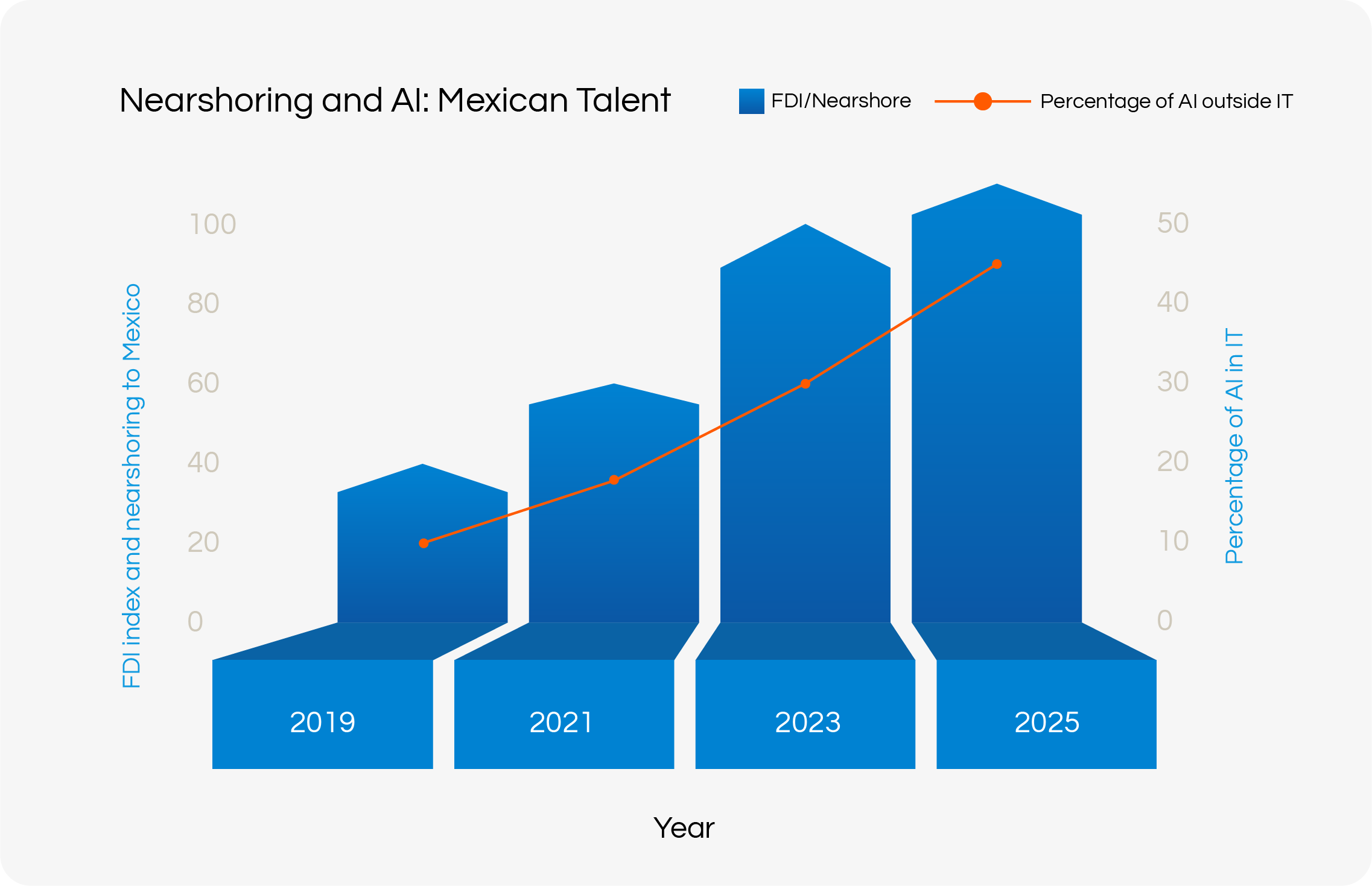
Graph 1 – Nearshoring and AI: Mexican Talent
The graph "Nearshoring and AI: Mexican Talent" shows, with blue bars, a growing index of FDI and nearshoring to Mexico between 2019 and 2025, while the orange line reflects the increase in the percentage of global job openings requiring AI outside of IT. The message is clear: the opportunity is no longer just to fill industrial warehouses, but to align our talent with the new currency of the global labor market.
The True CAPEX of Nearshoring: the DNA of Enduring Skills
In this context, technology alone is not enough. AIHR calls "enduring skills" those human capabilities that survive platform changes: communication, leadership, critical thinking with data, process design, ethics, and collaboration. These are the skills that enable a person to interpret, question, and leverage AI, rather than becoming a mere button pusher.
The aggregate data confirms this. In job openings that already require AI, Lightcast finds that only 2 of the 10 most sought-after skills are purely technical, the rest are human: communication, management, research, customer service, writing, and leadership. In addition, these positions offer, on average, a 28% higher advertised salary than those that do not mention AI, indicating that the global market is precisely rewarding the combination of technology and enduring skills.
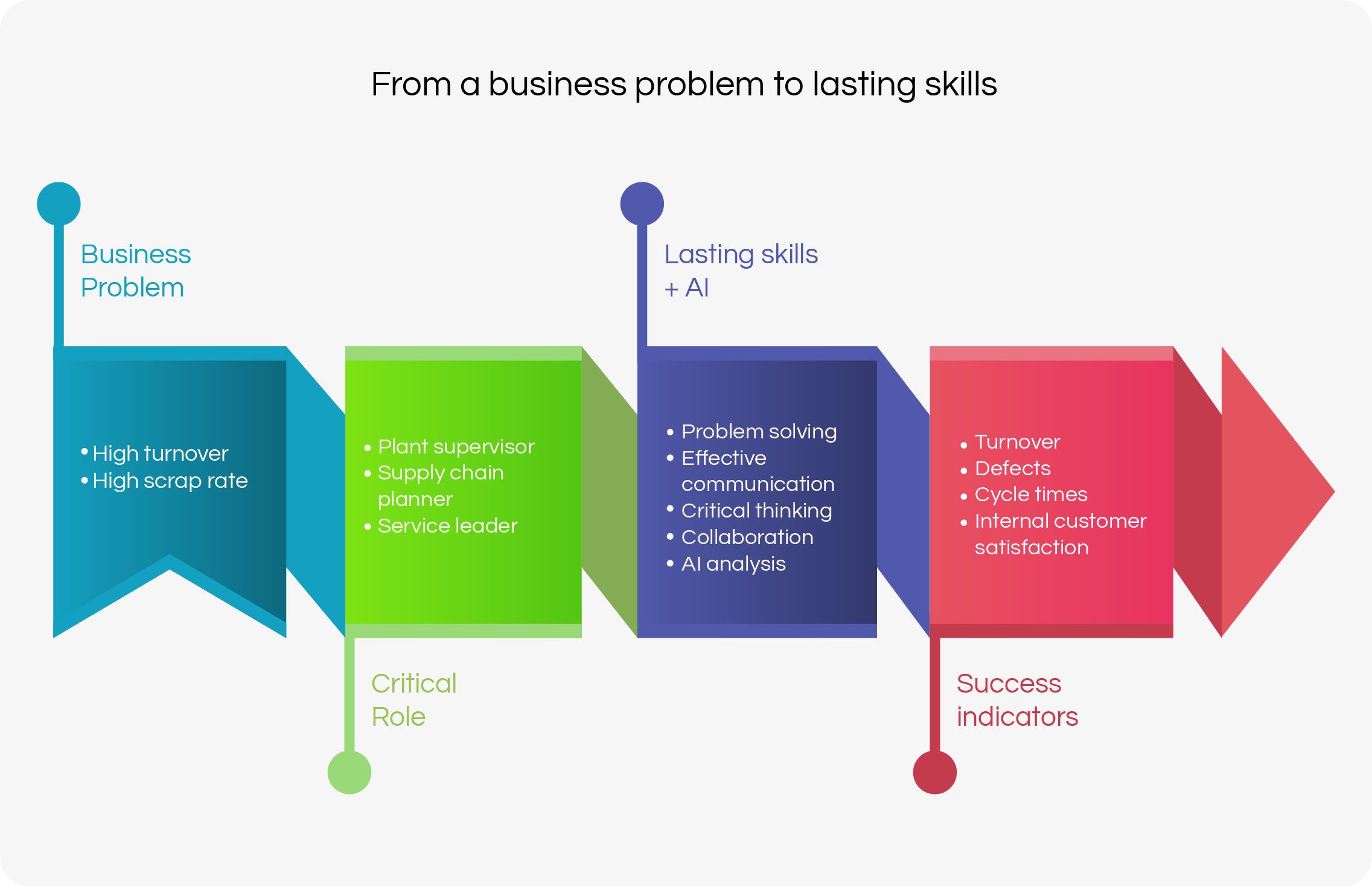
Graph 2 – DNA of enduring skills in Mexico
"DNA of enduring skills in Mexico" turns this concept into a powerful image: six petals of equal size for Communication, Leadership, Critical Thinking and Data, Process Design, Ethics and Governance, and Collaboration. The visual balance reinforces a key idea for CEOs and CHROs: none of these capabilities is "soft" or secondary when you want AI to generate value in plants in the Bajío region, service centers in Monterrey, or technology hubs in Guadalajara.
From a Business Problem to the Skills That Solve It
The usual trap is to think of "skills" as an abstract catalog. Cornerstone OnDemand proposes another route: always start with the business problem and critical roles and then define what lasting skills each one is missing.
In a Mexican company immersed in regional chains, the pain points are often similar:
- High turnover and a lack of supervisors capable of managing automated lines and distributed teams.
- Communication gaps between engineering, production, and customer service, which are exacerbated by the introduction of AI.
- Underutilized AI tools, because teams do not feel empowered to question or integrate them into their decisions.
Perhaps most importantly, no one speaks the language of AI fluently. Everyone in the organization, regardless of level, should be able to speak fluently about AI, each in their own position to a greater degree than others, but all as part of the organizational culture speaking the same language.
The game-changing question is: "For this problem, in this critical role, what three to five enduring skills do we need to reinforce, and what AI skill should the person master at least at a functional level?" A plant supervisor in Nuevo Leon, a supply chain planner in Bajio, or a service center leader on the northern border can share the same "DNA:" clear communication, change leadership, critical thinking with data, process design, and ethics in the use of information, plus a relevant AI skill, such as basic analytics or use of copilots.
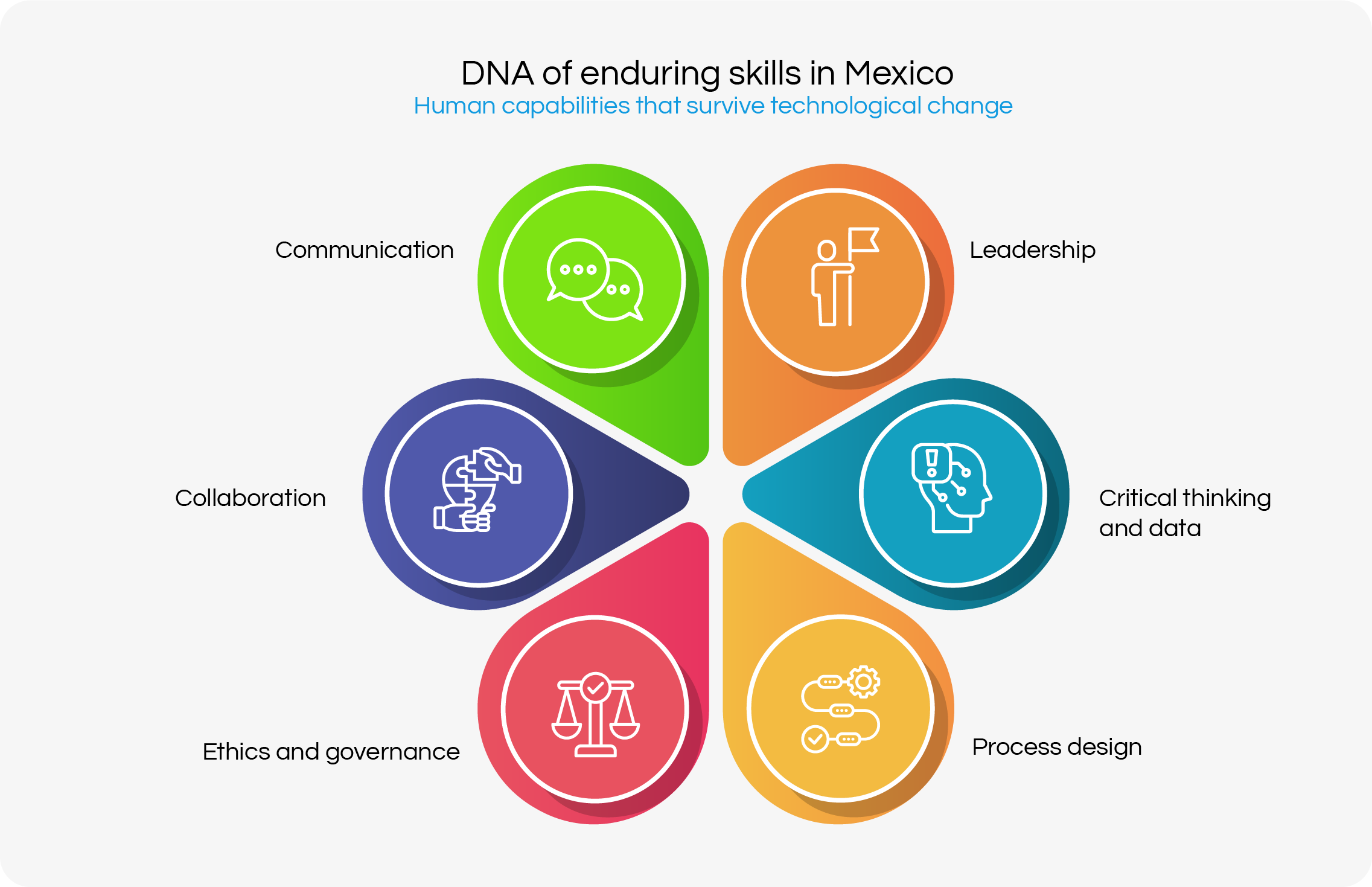
Figure 3 – From a business problem to lasting skills
The chart “From a business problem to lasting skills” summarizes this approach as a four-block flow: Business problem → Critical role → Lasting skills + AI → Success indicators. Each stage includes specific examples: from high turnover or high scrap rates to plant supervisors and planners, to skills such as problem solving, effective communication, and AI analysis, to metrics such as defects, cycle times, and internal customer satisfaction. It is, in essence, a visual algorithm for redesigning talent based on the reality of the business.
Mexico as a Lab for Augmented Work, Not as an AI Maquila
Lightcast's own analysis shows that, in manufacturing and production, jobs that combine AI with new human skills are among those that capture the highest salary premiums across the market. This opens a strategic opportunity for Mexican industrial corridors: to move away from being just a place where instructions are carried out and become a laboratory where new forms of AI-augmented work are designed.
Imagine an automotive supplier in the Monterrey–Saltillo corridor, a logistics operator in the trans-isthmus corridor, or a service center on the northern border that introduces computer vision solutions or AI assistants. The project can remain at the level of "installing technology" or it can go further: redefining key roles so that they interpret data, dialogue with the analytics area, explain findings to international clients, and make informed decisions about when to follow or question the algorithm's recommendation.
The same applies to financial services centers in Mexico City or Guadalajara that use AI to automate back-office functions: real value arises when their teams combine empathy, regulatory judgment, and process mastery with tools that automate repetitive tasks. Mexico has the critical mass of talent, investment, and geographic position to be a showcase for these types of augmented roles.
A Possible Path to Maturity
All this may sound ambitious, but it does not require a "big bang." Experiences analyzed by Cornerstone and Fosway indicate that successful programs are built step by step: small pilots, focus on a few roles, and a mix of data with human stories.
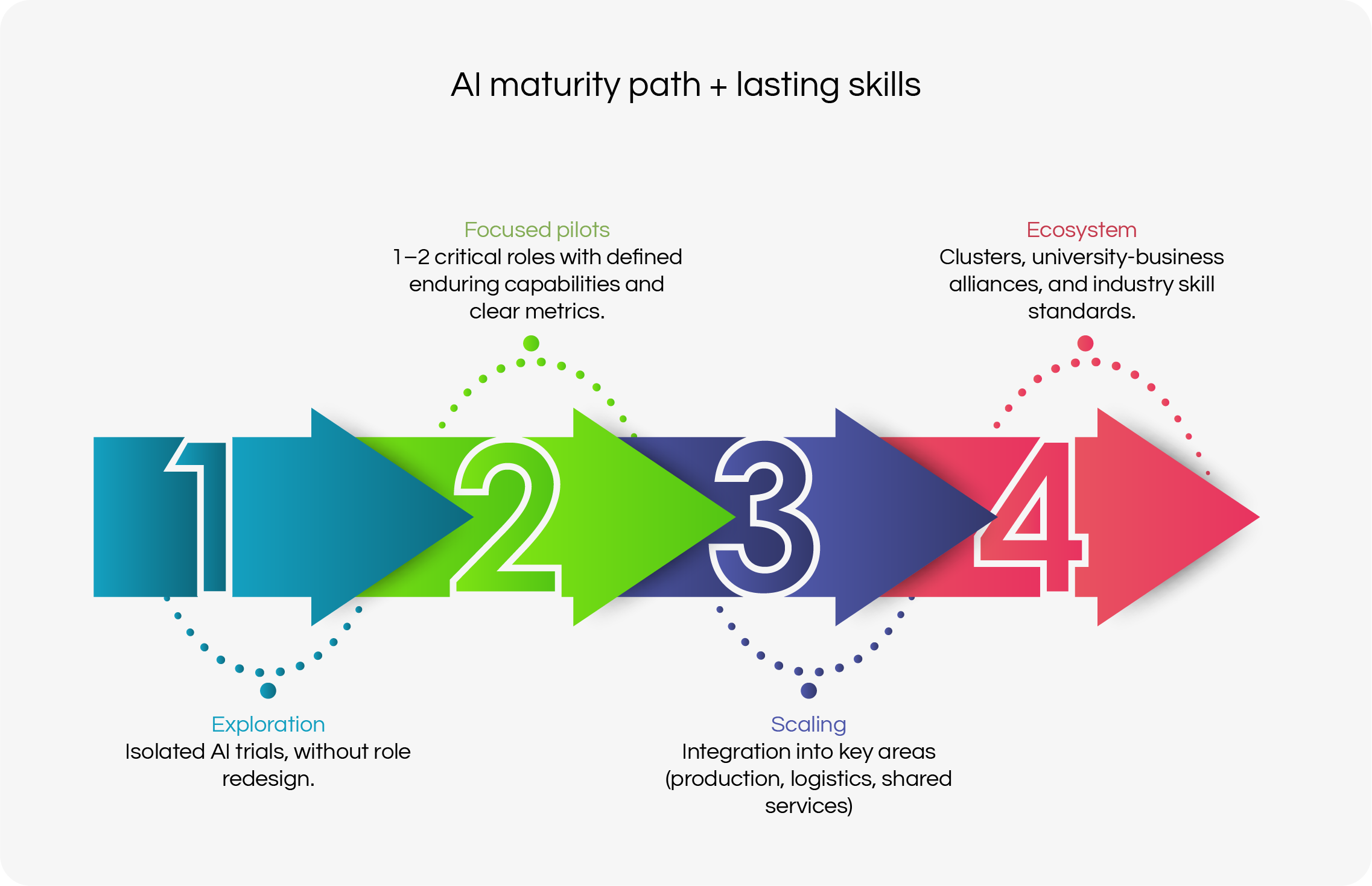
Graph 4 – AI maturity path + lasting skills
The infographic "AI + enduring skills maturity path" shows a sequence of four numbered arrows:
Exploration – isolated AI trials, without role redesign.
Focused pilots – 1–2 critical roles with defined enduring skills and clear metrics.
Scaling – integration into key areas such as production, logistics, or shared services.
Ecosystem – clusters, university-business alliances, and industry skill standards.
In practice, it is a roadmap that any SME or large company can follow without getting lost in grandiloquent speeches: start where it hurts, learn quickly, and scale what works.
A Direct Call to CEOs, Not Just HR
There are two quick tests to find out if a Mexican organization is making good use of the nearshoring and AI waves:
- If the nearshoring strategy only talks about logistics, tax incentives, and energy, but does not have an explicit chapter on lasting skills, what exists is not a talent strategy, but a real estate occupancy plan.
- If AI projects are approved without a budget or time allocated to developing human skills in critical roles, the company is funding software, not competitive advantage.
No CFO would sign off on a new plant without CAPEX; similarly, no CEO should approve a significant AI initiative without clearly defined "human CAPEX" in lasting skills. That means working closely with HR to identify key roles, map their skill "DNA," pilot 90-day development paths, and measure results with hard business metrics.
If Mexico decides to play this game seriously, algorithms can become allies rather than competitors. The states that currently attract the most investment — from the industrial Northeast to the automotive Bajio and the northern border — have the scale to demonstrate that AI is not coming to erase Mexican talent, but to amplify it when combined with the right lasting skills. In a few years, when people talk about the "Mexican nearshoring miracle," what will make an article like this stand out among hundreds will not only be its data, but the evidence of something simple and deeply human: that the future of work in Mexico was built by betting on people as much as on technology.
Author's note: This article is original and was developed based on the analysis and integration of multiple sources specializing in the labor market, talent, skills, and AI adoption. It does not reproduce or adapt third-party graphics, tables, or texts; all accompanying visual diagrams (DNA of enduring skills, Nearshoring and AI, Skills Flow and Indicators, and AI + Enduring Skills Maturity Path) were designed specifically for this piece based on general concepts and aggregated data.
Research references:
References consulted
AIHR. Why Durable Skills Are HR’s New Currency in the Age of AI (2025). Cornerstone People Research Lab. Skills Playbook Series – Chapter 1: Getting Started with Skills Use Cases (2024). Lightcast. Beyond the Buzz: Developing the AI Skills Employers Actually Need (2025). Fosway Group. AI Insights: Talent and Human Success and HR Realities series (2024–2025).
You May Like
Most popular