

Leadership in the Age of Change: The Potential of Human Capital


STORY INLINE POST




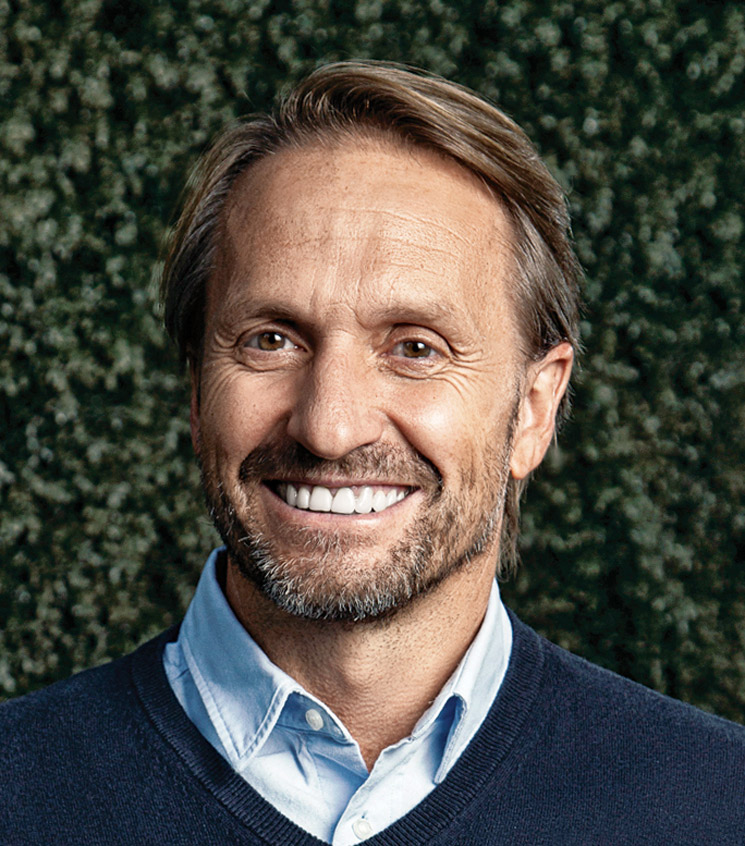
 By Fernando Lledó | CEO -
Mon, 03/03/2025 - 08:00
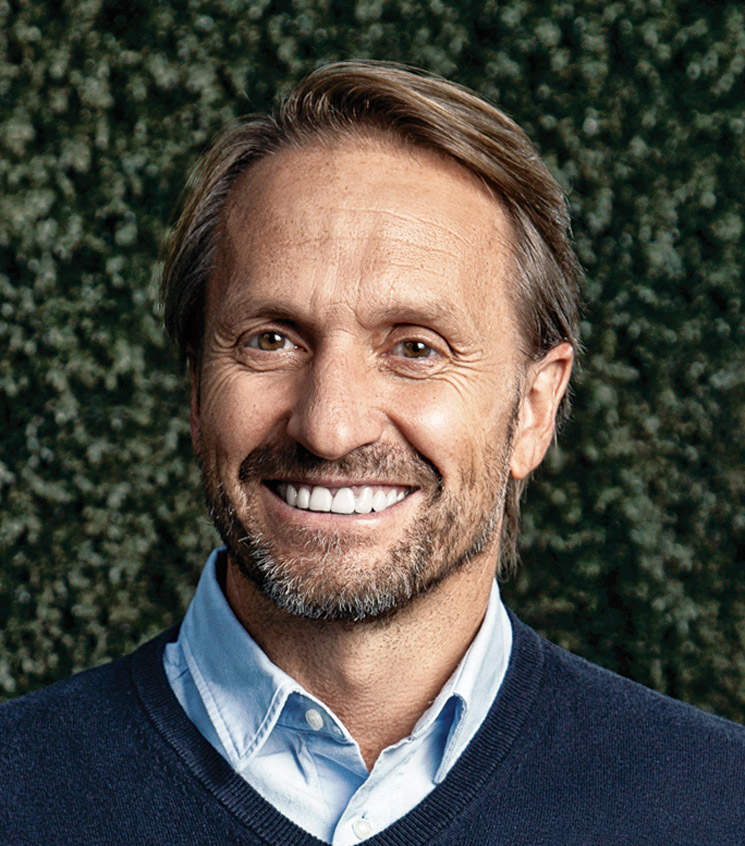
By Fernando Lledó | CEO -
Mon, 03/03/2025 - 08:00
The main driving force of every company is not the material or financial assets invested to promote a project, but its human capital – an intangible asset that represents the values, productivity and talent of a company's workers. In short, it is the force capable of making a project or an idea become a reality, thanks to their participation, whether manual or intellectual.
The key to properly taking advantage of this capital is to know how to recognize, enhance, and direct the different talents that make up the company, so that each worker has a stake in which his or her effort is recognized, and rewarded with dignity, both economically, socially, and psychologically. This is where leadership plays a fundamental role in driving, through example, inspiration and personal improvement for the entire workforce of a company.
Experiences Accelerated by Technology
It is interesting to see how leadership has evolved over the last 20 years, as we have moved from a traditional scheme in which one had to enter a job at a young age to make a career and then achieve a management position, once many years of work had been completed, to one in which young people already occupy these positions without the need to go through the traditional career system.
Added to this are a series of paradigm shifts in work schemes, all thanks to the evolution of technology, so that over the years, we have gone from working on desktop computers, which tied us to a workplace, to comfortable laptops and smartphones, which are aided by cloud storage systems and increasingly faster internet networks.
Furthermore, we cannot overlook the experience that forced the planet to work remotely, which, according to the Inter-American Development Bank (IDB) (1), caused the traditional 9-to-5 work schedule, around which time had to be set aside to travel from home to work and a meal schedule had to be established to make the most of the time, to be transformed into one in which travel time is better used at home.
Similarly, hybrid schemes have demonstrated greater efficiency, since according to studies by Harvard University (2), employees who work under this scheme report greater efficiency by being able to choose their workplace. Likewise, companies that offer this possibility are more attractive and retain creative talent more easily; in other words, in addition to saving on transportation and mobility, a more flexible schedule is favored, and productivity is encouraged thanks to these new modalities.
The Importance of the CEO
As remote work has become an option that offers many possibilities, it also represents a series of challenges to overcome, as it can generate greater social isolation, visibility bias, risk of exhaustion or burnout, and chronic work stress, as well as loss of identity and belonging of employees in the workplace, among others.
This is where the talent of young leaders takes on a new meaning, as CEOs must have leadership with strategic vision and the ability to innovate. They must be able to inspire confidence, motivate, integrate, and manage teamwork. Among these responsibilities is also the key to helping workers develop their greatest potential: – knowing how to delegate responsibilities, and in this way they give their work team an opportunity to grow and feel like an essential and indispensable part of the company.
To do this, the CEO must have a deep knowledge of who makes up their team, because from this they can coordinate a work plan that helps the employee feel considered and that makes the most of their skills and strengths. In the end, this translates into a positive attitude with efficient work.
The Best Mark of a Good Leader
CEOs, in addition to all the virtues mentioned, must develop the sensitivity to perceive to what extent experience can help them to promote a project or to what extent innovation must come in to open a new path toward sustainable development.
This aspect becomes particularly interesting in these times when it seems that experience has taken a backseat and the capacity for innovation and technological knowledge are the most important factors in ensuring efficient work. Yet, despite the modernization of sources of work, the tenacity and temperance that experienced workers can offer is still indispensable. Novelty can open new paths of production, but experience is the foundation and the pillar that support and maintain what we have already achieved.
In the end, a well-structured project is defended by combining expertise and innovation, and is reinforced by a workforce that not only thinks and works by saying “I,” but with a comprehensive vision that leads it to say “we.”
Sources:
1- https://blogs.iadb.org/trabajo/es/teletrabajo-que-es-y-como-esta-cambiando-el-mundo-laboral/
2- https://hbr.org/2024/10/one-company-a-b-tested-hybrid-work-heres-what-they-found
You May Like

Most popular








