

Defining How to Close an International Business Deal


STORY INLINE POST






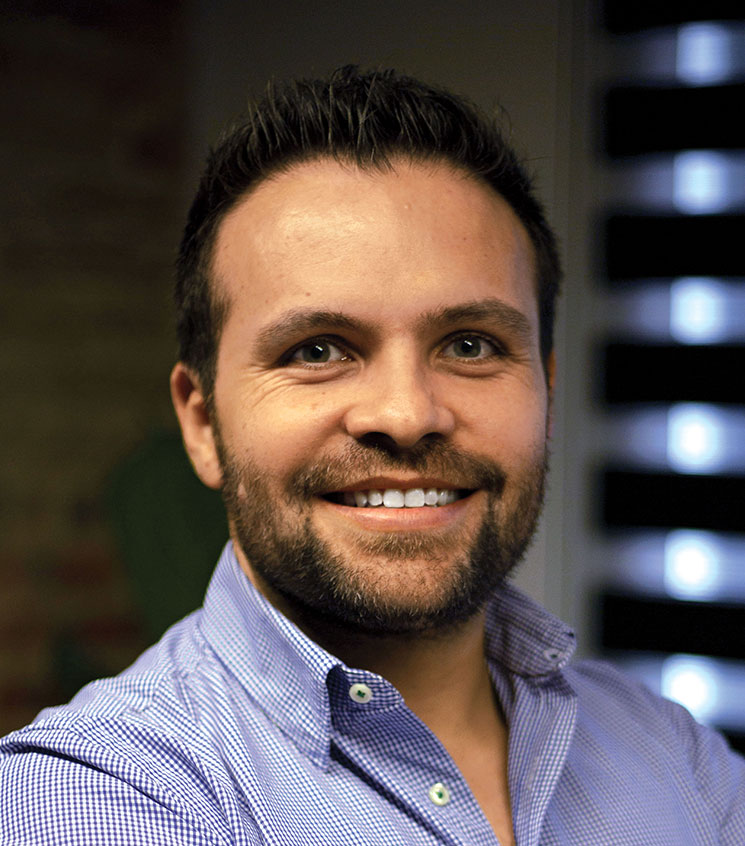
 By Francisco Hernandez | CEO -
Fri, 12/15/2023 - 10:00
By Francisco Hernandez | CEO -
Fri, 12/15/2023 - 10:00
Are you in it for the long term, or do you finish a project and leave? This is a fundamental question when engaging in international business and serves as the foundation for defining your relationship with all stakeholders, including clients and the personnel that will be required (if applicable).
A few decades ago, closing deals beyond borders was reserved for large corporations or projects with million-dollar budgets, legal and tax departments filled with protagonists boasting sophisticated and intimidating titles, and poker faces that imposed during their first meeting with any interlocutor. The international space was reserved for the "big leagues" within the business realm.
Times have changed. With rapidly advancing technologies, today's world accelerates our interaction with any part of the globe, whether visiting a museum virtually, meeting new people, or contacting companies or professionals to close a business deal — the possibilities are endless. Now, we are all part of the international game.
However, having reach or access has not been synonymous with security. When you encounter a product, service, or person online, it's almost inevitable to wonder, "Is it real? Is it safe?" Applying this dilemma to the world of international business, the variables for analysis are truly extensive when distinguishing them among project types, sectors, or nature. In any situation, it's essential to seek advice to avoid wasting time and budget, but above all, to be clear: are you in it for the long or short term?
In 2023, we have more professionals than ever in human history. Additionally, anyone with internet access can offer services or start a business. According to World Bank data, 46.6% of the world's workforce consists of freelancers — those who work for themselves or with one or a few partners or in cooperatives. Fortunately for companies opening temporary projects in other countries, these independent professionals are ready to offer their talent and time to achieve the set goals. Moreover, in developing countries, there is an opportunity to find professionals who meet the preparation and standards of first-world countries. But how can a company looking for temporary foreign personnel trust the professional beyond a resume or website? How can a professional provide certainty and agility to a foreign company?
The truth is that both parties must have the legal, fiscal, and banking aspects structured to guarantee security to the counterpart. It's important to consider some points here:
- Ensure legal and fiscal compliance: Having well-structured contracts as a basis and correctly classifying within the available hiring options in each country is essential to avoid fines from authorities.
- Currency exchange: Having banking platforms that streamline and minimize costs for currency exchange or international transactions ensures that the commercial relationship goes smoothly without misunderstandings or delays in deposits.
- Onboarding: Despite being a remote relationship, it's essential to be clear on the process, formats, and documents needed to formalize the relationship during the project's incorporation.
- Invoicing: It's necessary to understand the official method of generating an invoice depending on the country to avoid administrative complications with local entities.
How can an entrepreneur or a small company fulfill these four points? Technological innovation has provided us with tools of all kinds, while regulations in all countries do their best to keep up. Correct classification of workers is a crucial aspect of labor management. Companies must be diligent and proactive in understanding and correctly applying labor and tax laws to avoid significant risks and contingencies. Meeting the basics to hire personnel outside borders safely can now be possible for dynamically changing projects, thanks to Employer of Record (EOR) agencies that provide the necessary tools under the name of "contractors."
Contractor services enable companies or entrepreneurs from all sectors to access legal and fiscal tools to move safely and dynamically beyond borders. For example, suppose an independent professional in Mexico wants to close a deal with a company in the United States. In that case, they can first contact an Employer of Record entity to act as an intermediary and handle everything related to contracts, invoices, currency exchange, and other fiscal matters in exchange for a monthly fee. On the other hand, if a company wants to hire a certain number of employees for a specified period and ensure their compliance within the country where they will operate, it can consolidate all its movements through an EOR. This means simply providing a payroll budget, and the intermediary takes care of payments, invoicing, legal compliance, and currency exchange.
If you were to ask me for a word to define the current state of international business, I would describe it as dynamic. People in the business world must be more vibrant than ever, seeking tools that will provide the necessary solidity in the short term as the business requires evolution.
Returning to the initial question, "Are you in it for the long term, or do you finish a project and leave?" If you choose the second path, you can be sure that tools exist to take solid steps and provide certainty to all parties involved through an EOR, specifically under a contractor services arrangement.
You May Like




Most popular








