Guanajuato Promotes Inclusion as Strategic Business Capability
Inclusion has moved beyond a social assistance approach to become a strategic organizational capability for businesses, particularly as companies confront social and economic sustainability challenges, say Guanajuato state officials. The Guanajuato Ministry of Human Rights has taken the message of “Inclusion as an Organizational Competency in the Context of Sustainability” to the private sector, aiming to raise awareness about the economic participation of people with disabilities and the broader value of inclusive practices.
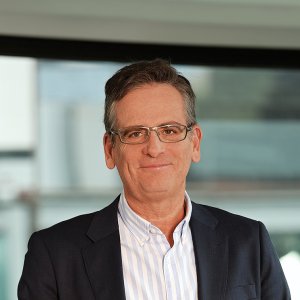
Carlos Fonce, Deputy Minister for the Inclusion of People With Disabilities, Guanajuato, led a workshop for a major commercial group with operations in the state and nationwide. The sessions addressed accessibility in architectural design and emphasized the need to view disability as part of human diversity. Fonce highlighted the connection between disability inclusion, population aging, demographic change, and the growing sustainability challenges facing businesses and governments alike.
“Inclusion must be understood as a strategic organizational capability, comparable to financial management, logistics or innovation,” he said. “Companies that see inclusion this way are not only fairer, but also more profitable, adaptable and relevant in the long term.”
During the accessibility workshop, officials stressed that disability often arises from the interaction between individuals and environments that have not been designed with a universal perspective. Removing physical, communication and organizational barriers, they said, unlocks talent, boosts productivity and expands consumer markets.
Authorities also noted that inclusion fuels innovation by incorporating diverse perspectives into product and service development, broadens the talent pool at a time of skilled labor shortages, and improves market experience for all consumers.
From an economic standpoint, officials cited estimates that excluding people with disabilities from the labor market can cost countries between 3% and 7% of gross domestic product. In contrast, greater labor inclusion expands the tax base, strengthens local economic stability, and improves investment attractiveness and access to capital.
“Designing for diversity does not compete with efficiency; it enhances it,” Fonce Segura said. “Inclusion is a strategic investment for the present and future of businesses.”
Jalisco to Attract Investment, Talent - Ministry of Innovation
In other related news, MBN reported that Jalisco is positioning itself to attract greater investment by strengthening its talent pipeline and expanding its innovation ecosystem, said Horacio Fernández, Minister of Innovation, Science and Technology, Jalisco. “We receive companies from all over the world every week that want to invest in this ecosystem, and one of the most important things they ask for is talent,” Fernández Castillo told Excélsior ahead of the closing of the first Innovation Fest 2025. He added that the event is expected to become a long-term source of skilled professionals.
“We are working so that all young people have these opportunities,” he said.
Fernández highlighted the Jalisco Innovation Center Network (Redi) as a key tool for entrepreneurship across the state. The network’s centers operate in locations including Tomatlan, Puerto Vallarta, Lagos de Moreno, and, soon, Chapala.
“These spaces are welcoming environments where entrepreneurs can learn, attend conferences, negotiate and meet with authorities,” he said. “This network is unique in the country.”
He also emphasized the importance of expanding English-language education. State-affiliated universities, including UJC and ITCSJ, with nearly 25,000 students, now offer free English courses. This is the only program of its kind in Mexico, Fernández said.
The Innovation Fest aims to inspire young audiences while the state supports researchers seeking to take innovations from the lab to the market. Programs help academics move from patent registration to commercialization. “We should not wait until they reach undergraduate studies. We must begin earlier, even in elementary school, to spark curiosity and analytical thinking,” he said.
You May Like







Most popular