


Airline Revenues to Top US$1 Trillion in 2025 on Record Demand
 By Óscar Goytia | Journalist & Industry Analyst -
Wed, 12/11/2024 - 17:26
By Óscar Goytia | Journalist & Industry Analyst -
Wed, 12/11/2024 - 17:26
The global airline industry is poised to reach record revenues exceeding US$1 trillion in 2025, driven by a projected all-time high of 5.2 billion passengers, according to the International Air Transport Association (IATA).
IATA forecasts a net profit of US$36.6 billion for the airline industry in 2025, up from the US$31.5 billion projected for 2024. The industry’s profit margin remains narrow, with an average profit of US$7 per passenger expected next year, compared to US$6.40 in 2023.
This recovery marks a significant turnaround from the US$140 billion in losses the industry experienced during the pandemic in 2020. Sustained demand for travel, along with easing fuel prices, has driven this resurgence. “The huge revenue figure is great news, but net profitability remains wafer-thin,” said Willie Walsh, Director General, IATA.
Regional performance varies, with Middle Eastern airlines expected to lead in profitability at US$24 per passenger, followed by US carriers at US$12 and European airlines at US$9. However, airlines in Africa, Latin America, and Asia-Pacific are expected to underperform compared to the global average.
Global supply chain issues, exacerbated by the pandemic, continue to affect the production and delivery of aircraft. Delays in manufacturing have forced airlines to rely on older, less fuel-efficient aircraft, raising operational and maintenance costs while hindering sustainability goals. Walsh noted, “Supply chain issues are having a very significant impact on our cost base. There’s no end in sight to the problem.”
Airlines worldwide have expressed concerns that the lack of newer, efficient aircraft limits their ability to reduce fuel costs and meet growing passenger demand. Walsh highlighted that this problem has constrained the industry’s growth potential, calling for greater accountability from key manufacturers.
Walsh expressed optimism about the potential impact of a second Donald Trump administration, citing favorable policies during Trump’s first term. “The indication is that the second Trump administration is likely to reverse some of the actions taken under the Biden administration. I would see the Trump administration as being a net positive for the industry,” he stated.
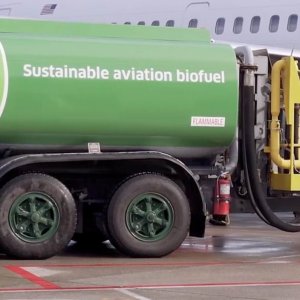
However, Walsh also warned about risks to the industry’s commitment to achieving net-zero carbon emissions by 2050. Current tax incentives under the Inflation Reduction Act, which support sustainable aviation fuel production, may be at risk if political priorities shift.
You May Like







Most popular








