


Aviation Groups Urge Trump for Tariff Relief Amid Sector Strains
 By Teresa De Alba | Jr Journalist & Industry Analyst -
Tue, 04/29/2025 - 15:48
By Teresa De Alba | Jr Journalist & Industry Analyst -
Tue, 04/29/2025 - 15:48
A coalition of 15 aviation groups has met with President Trump and senior administration officials to request a tariff exemption for the sector. Industry representatives are calling for the reinstatement of the 1979 Civil Aircraft Agreement, which once supported a US$75 billion annual US trade surplus in aviation.
The coalition contends that tariffs are exacerbating an already strained supply chain. Aircraft imports cannot easily be replaced with domestic production, and the tariffs jeopardize jobs, regional economies, and the US’s global leadership in aviation. Industry leaders warn that the sector is already under pressure from intense international competition, stringent safety regulations, and economic volatility.
The aviation industry faces additional challenges as travel demand slows amid economic uncertainty. Ongoing discussions with aircraft manufacturers have sparked concerns about who will absorb the cost of tariffs. Engine makers and aircraft manufacturers are reportedly attempting to pass these costs on to airlines.
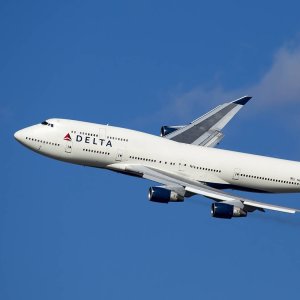
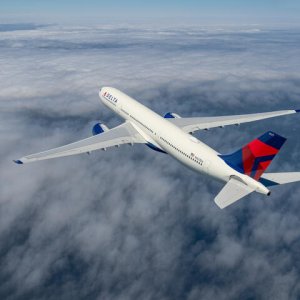
On Apr. 15, Delta Air Lines CEO Ed Bastian stated that the airline would not pay tariffs on incoming Airbus aircraft. Executives from other carriers have indicated a preference for deferring or returning leased planes rather than incurring tariff-related expenses.
Boeing, the leading American planemaker, projects an annual tariff burden of US$500 million, with GE estimating similar exposure. RTX has indicated its potential tariff costs could reach US$850 million annually. Boeing currently faces a 10% tariff on imports from Japan and Italy, while Airbus incurs duties on aircraft assembled in Alabama. According to Reuters, these costs might have been more manageable if travel demand were surging— instead, it is declining.
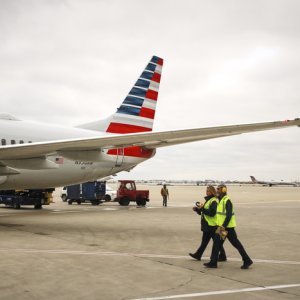
American Airlines CFO Devon May told Reuters that the airline’s government affairs team is actively lobbying for a tariff exemption. Airlines, already grappling with aircraft shortages, now face declining ticket sales.
According to the Bureau of Labor Statistics, airfare fell 5.3% in March compared to the previous year. Both domestic and business travel have declined, prompting airlines to cut fares to fill seats.
Industry leaders argue that a tariff exemption would help airlines manage costs. The US aerospace sector exports approximately US$135 billion annually and retains most of its manufacturing base and workforce within the country. However, the industry relies heavily on a global supply chain, and tariffs on aircraft imports ultimately drive up costs for both airlines and passengers.
You May Like
Most popular








