


Tariffs on Aircraft Materials Raise Costs, Prompt Urgent Deals
 By Óscar Goytia | Journalist & Industry Analyst -
Fri, 03/14/2025 - 16:35
By Óscar Goytia | Journalist & Industry Analyst -
Fri, 03/14/2025 - 16:35
The tariffs imposed by the United States and other countries is increasing anxiety among aviation manufacturers and buyers. The United States introduced a 25% tariff on all steel and aluminum imports, including those from Canada and the European Union. In response, Canada and the European Union imposed retaliatory tariffs on US goods, leading the United States to threaten more tariffs.
This move directly impacts materials critical for aircraft manufacturing. Both commercial and private aircraft manufacturers have started to feel the strain, with major suppliers like Boeing and Airbus remaining cautious but not yet reporting significant disruptions to their production.
"A prolonged trade war could disrupt the aerospace supply chain, causing delays and escalating costs," says Amanda Applegate, Partner, Soar Aviation Law. Many aircraft buyers are seeking to close deals quickly to avoid the increasing costs of steel and aluminum. Some have even incorporated clauses in their contracts to protect themselves from rising tariffs.
Canadian aircraft manufacturer Bombardier says that its parts come from Chicago, so its aircraft can still be delivered to US customers without incurring tariffs. However, the US tariff exemption for products meeting the USMCA agreement will expire on April 2, raising further concerns.
Private aircraft manufacturers, such as Bombardier, General Dynamics, and Gulfstream Aerospace, have seen increased demand from wealthy travelers and corporate clients, leading to an expansion of their order books. While Boeing and Airbus do not foresee significant impacts on their production or deliveries, the uncertainty surrounding tariffs is putting pressure on the markets and investors. Bombardier, in particular, refrained from offering forecasts for the year due to the tariff threat.
A buyer of a US-made private jet expedited the transaction to avoid possible tariff complications. "What I have seen in that area is the urgent transaction — export it and get it to Europe before a potential issue arises," said Katie DeLuca, Partner, Harper Meyer, during a recent webinar hosted by the National Business Aviation Association.
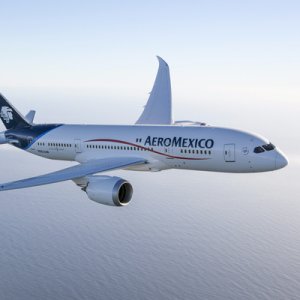
Some buyers could attempt to cancel contracts to avoid tariffs. "If we face the worst-case scenario with widespread 25% tariffs and retaliatory measures, the price of a Boeing 787 would increase by US$40 million. No one will pay for that. It will not happen," says Aengus Kelly, CEO, AerCap, to CNBC.
Kelly says that a price increase of that magnitude would make purchasing Boeing aircraft unfeasible for many airlines, pushing them to seek alternatives from Airbus. "In the worst-case scenario, Boeing could end up with 20% to 25% of the global market, concentrated in the US, while Airbus would take the rest of the world, with around 75% to 80% of the global market," says Kelly.
You May Like





Most popular








