

How to Turn Jalisco Into a Clean Energy Hub


STORY INLINE POST


 By Perla Velasco | Journalist & Industry Analyst -
Tue, 12/05/2023 - 12:21
By Perla Velasco | Journalist & Industry Analyst -
Tue, 12/05/2023 - 12:21
Q: What are your projections regarding renewable energies and their growth in Jalisco and in Mexico?
A: Mexican regulation considers two types of electricity generation projects: DG, which does not require a permit and is easy to do, and large-scale projects exceeding 500kW of capacity.
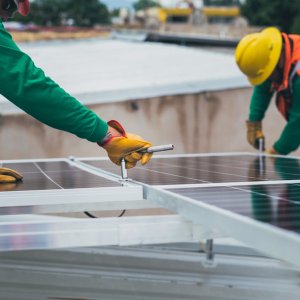
Jalisco is the state with the highest number of project contracts that do not require permits, with more than 60,000. The vast majority are contracts for houses, so there is great potential to grow the local market for PV generation systems for small industries. More than 60% of the energy consumed in the state goes to SMEs. The state’s 20% renewable generation is not enough to meet the demand, which means there is a 40% potential market. This information needs to be made available to employers. This demand implies an additional 1,000MW of capacity that we can exploit in that market.
Large-scale projects have a higher investment cost and require permits and a more extensive process to connect them to the grid. At the moment, the federal government is limiting permits for large-scale generation projects focused on selling power to the market and not for local use. There is a significant opportunity in self-supply but business models are lacking structure between developers and investors. We are matching the interests of industries and those interested in supplying electricity to let them know the type of mechanisms they have to invest in.
Q: What are the main challenges and opportunities that you identify for renewable energy to reach its potential in the country?
A: There are three elements involved in this: technological, financial and cultural. The first two are already developed. It is more than profitable to put in solar panels, just like any other clean generation technology. In addition, there are many mature and proven technologies that are bankable. The risk is in the business culture and in the understanding of current regulations, as Mexico has gone through many stages of energy regulation. There have been ideological differences that have limited the adoption and development of this regulation. However the door to renewables remains open. It is necessary to continue disseminating these programs so investors turn to Mexico.
Q: What are the agency's strategies to promote synergies between the public and private sectors?
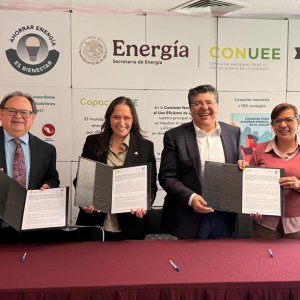
A: We have several cooperation programs, one of which is with the Danish energy agency, for example. We have visited the country to understand how they have developed their infrastructure and which has been the most successful model to promote these energies. We already have a financial product for energy efficiency projects.
Energy saving projects are not usually well regarded by banks because they are diverse in terms of technologies and impact. Through the G7, which is an important stakeholder for us, a Guarantee Fund was opened, mitigating the risk from these projects to allow for more credit placement.
We also work with the Jalisco State Development Fund (FOJAL), a state trust responsible for financing SMEs. FOJAL helps us to distribute credit without restricting technology. The Energy Agency evaluates the projects from a technical aspect, always seeking to integrate the greatest possible number of technologies and scope. We are open to almost any type of technology with the purpose of promoting the industry. We also want to show that these are not expenses but investments to help reduce the carbon footprint.
Q: How would you describe the state of energy production in Jalisco and what do you expect to happen in the next couple of years based on the state of the industry?
A: Nearshoring is the starting point for many challenges related to the development of industrial zones. There is an increasing demand for parks that have to be prepared to accommodate these companies. We saw significant growth in demand during the pandemic but that was more closely related to logistics and e-commerce. Parks had to open warehouses but these do not demand much energy. Now, there are industries that are relocating from Asia, for example, and these require a great deal of energy. This creates a challenge that industrial parks did not anticipate.
We connect parks with specialized investors. We also want to build confidence among potential newcomers that Jalisco has energy capacity available. There are several interesting projects in the pipeline.
Q: What is your strategy for attracting foreign investment?
A: The agency is linked to the Ministry of Economic Development, which is in charge of promoting the state and providing incentives for the development of both local and multinational industries. We collaborate with international associations and help chambers and companies so they can put together their project portfolios and compete for resources. Fortunately, there are many financial solutions and products. If anything is missing at the local level, it is even more promotion of energy solutions and for companies to know the true impact of their operations.
Q: What is the project you are most excited about and what would you like to see happen in the sector this year?
A: We have a very interesting waste management and biogas generation project. We are working on the financial and technical models for several small farms to reduce their waste and re-inject biogas into their operations.
I would also like to see a little more transversal integration of the energy transition agenda across all activities of the public sector. At the agency, we seek to set the tone for a successful energy transition.
The Jalisco State Energy Agency is a government body responsible for promoting and regulating the energy sector in Jalisco. The commission works to coordinate efforts among different stakeholders in the energy sector, including government agencies, private companies and civil society organizations.
You May Like





Most popular








