


Mexico Positions Energy Efficiency as Central to Policy
Mexico’s government declared energy efficiency a top national priority, with SENER leading efforts to reduce energy consumption across public institutions and state-owned companies, officials said Thursday. The decision reflects a broader shift in the country’s energy strategy under Claudia Sheinbaum’s administration, with efficiency seen as vital for sustainability, public finances and energy security.
At a ceremony held by SENER, Minister Luz Elena González recognized institutions that achieved significant efficiency gains in 2024 under the coordination of CONUEE. The performance review covered more than 2,000 public buildings, roughly 1,800 government vehicle fleets and all major state-run industrial facilities.
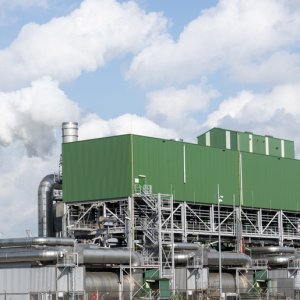
Among the honored entities was the Salina Cruz Refinery, operated by PEMEX, which reportedly achieved a 71% energy savings rate relative to its identified potential for 2024. Another notable recipient was a combined-cycle plant managed by CFE, recognized for its efficient electricity production practices.
González said the focus on efficiency aligns with Mexico’s new energy model, which seeks to restore state leadership over the energy sector while promoting sustainable development, social equity and reduced environmental impact.
As part of this agenda, SENER has also introduced regulatory measures to embed efficiency standards into equipment and infrastructure. In August 2025, the government published two new energy-efficiency norms: one regulating unitary air-conditioning systems (NOM-035-ENER-2025) and another targeting three-phase electric motors (NOM-016-ENER-2025). Both aim to raise the baseline energy performance of equipment used across commercial, public and industrial sectors.
The policy push coincides with rising electricity demand in Mexico, driven by industrial growth, nearshoring trends and expanding consumption by commercial users. Analysts note that efficiency measures, including demand management, modernization of equipment, and intelligent energy practices, can support the national electricity system by reducing peak demand growth and lowering operating costs for large consumers.
For private industry, this renewed emphasis on efficiency presents both opportunities and obligations. Companies may benefit from lower energy bills and improved regulatory certainty, but will need to adapt operations, invest in compliant equipment, and possibly revamp energy-intensive processes. For state institutions, the reforms could yield significant savings in energy costs and reduce fiscal pressure linked to utility subsidies.
Energy Efficiency Efforts Across the Industry
To support private-sector engagement, CONUEE recently signed an agreement with the National Institute of Electricity and Clean Energy (INEEL) to strengthen technical capacity and support sustainable energy use in key sectors. The collaboration will include joint working groups, training programs and development of technical tools for efficient energy management.
CONUEE has also rolled out initiatives aimed at small and medium enterprises (SMEs), publishing guidance and resources to help these firms adopt efficient energy practices and reduce operational costs, reinforcing that energy efficiency is not only for large industrial users but also accessible to smaller businesses.
For private industry, this renewed emphasis on efficiency presents both opportunity and obligation. Companies may benefit from lower energy bills and improved regulatory certainty but will need to adapt operations, invest in compliant equipment, and possibly update energy-intensive processes. For state institutions, the reforms could yield significant savings in energy costs and reduce fiscal pressure linked to utility subsidies.
You May Like






Most popular








