

Agility Needed to Swiftly Implement Tailored Solutions




STORY INLINE POST

 By Adriana Alarcón | Journalist & Industry Analyst -
Mon, 07/29/2024 - 10:00
By Adriana Alarcón | Journalist & Industry Analyst -
Mon, 07/29/2024 - 10:00
Q: What role does TRAFFIX play in the modern transportation industry?
A: TRAFFIX, with over 45 years in the market, has evolved significantly. Originally a family-owned business focusing mainly on Canada, we expanded seven years ago to cover all of North America. TRAFFIX is now among the Top 25 transportation brokers in North America. Our growth has been remarkable, increasing from about US$70 million in annual revenue to over US$1 billion in just seven years. This expansion was fueled by our strong position in Canada and successful entry into the US market seven years ago.
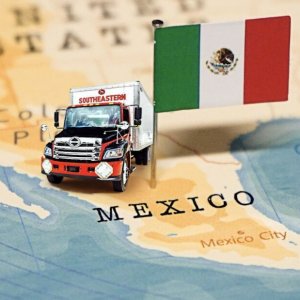
We are now focusing on Mexico. Despite challenges, including market fluctuations and the pandemic, TRAFFIX has maintained double-digit growth and solid profitability. We continue to leverage our financial strength and strategic decisions to drive further expansion and success, particularly as we push into the Mexican market.
Q: With a network spanning the United States, Canada, and Mexico, how does TRAFFIX ensure seamless operations and consistent service quality across these countries?
A: TRAFFIX has approached expansion in phases, respecting the maturity of each market. We spent 38 years developing the Canadian market, followed by seven years in the United States. We are now entering Mexico, learning from others' mistakes and ensuring we do not rush the process.
Our strategy focuses on regional integration rather than just domestic markets. We are aligning with nearshoring and integrating the needs of the USMCA region. This gradual approach has allowed us to grow alongside our clients and adapt our operations to regional demands. Canada has been a strong foundation for us, and while the US market is newer, it has performed well, setting the stage for our entry into Mexico.
Q: How does TRAFFIX leverage technology for freight planning, route optimization, real-time shipment visibility, and business intelligence reporting?
A: TRAFFIX uses advanced technology to enhance freight planning and route optimization. One key tool is Atlas, an AI-driven system that analyzes historical data and provides real-time quotes based on market trends. This tool offers rapid and accurate responses to clients, minimizing the impact of fluctuating prices and ensuring fair rates.
In Mexico, where data availability is more limited compared to the United States and Canada, we face additional challenges. However, our technology adapts to these complexities, aiming to provide reliable and efficient solutions despite the lack of extensive databases and standardized carrier information.
Q: How does TRAFFIX tailor its logistics solutions to meet the specific needs of different industries and clients, ranging from small businesses to large corporations?
A: TRAFFIX focuses on rapidly growing, underserved industries rather than only traditional sectors like automotive or aerospace. For example, we target the perishable goods industry, which is often overlooked by competitors. By developing specialized solutions for underserved sectors, we address unique needs and leverage market opportunities.
While we still serve major industries, our approach involves diversifying into areas with less competition to offer tailored, effective solutions. This strategy has significantly contributed to our growth over the past seven years. We aim to excel in our chosen niches and provide exceptional service where we are most effective, rather than spreading ourselves too thin across all industries.
Q: How does TRAFFIX leverage its geographical advantage in North America to facilitate nearshoring initiatives?
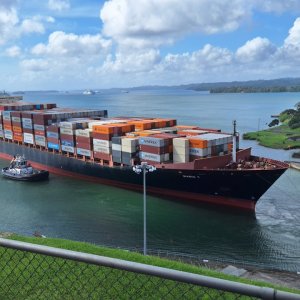
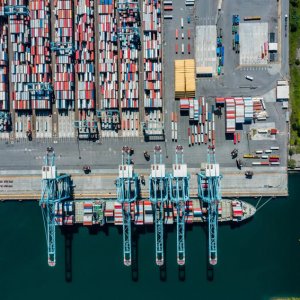
A: TRAFFIX uses its experience in US port drayage — moving containers from ports to distribution centers — as a key advantage. With US ports, particularly on the West Coast, facing congestion and the Panama Canal drought affecting shipping, Mexico is increasingly becoming a crucial entry point for maritime transport under the USMCA.
Our strategy involves leveraging our established strengths in US drayage and connecting with Mexico. We are initially focusing on cross-border transportation, including dry, flatbed, and refrigerated loads. We also plan to continue growing our port drayage and intermodal services in Mexico, addressing the saturation of key border crossings like the Laredo port and meeting our clients' needs for efficient, alternative solutions.
Q: What specific opportunities and challenges does TRAFFIX see in the market and how does the company cater to them?
A: TRAFFIX faces challenges similar to those of our clients, particularly the imbalance in Mexico’s land transport network, where capacity is often more available in one direction than the other. This imbalance creates difficulties for clients seeking reliable transport capacity. With many brokers entering the Mexican market, it is crucial for us to offer solutions that address these issues, such as intermodal and drayage services, rather than just being another broker.
Another challenge is the impact of geopolitical and macroeconomic factors. Changes in Mexico-US relations and the increasing presence of Chinese manufacturers in Mexico could affect the market. To address these uncertainties, TRAFFIX focuses on leveraging technology and expanding our service portfolio to offer more robust, flexible solutions. This approach helps us adapt to evolving conditions and to provide comprehensive support beyond just moving goods from point A to point B.
Q: How is TRAFFIX navigating potential shifts in trade policies and regulatory frameworks between the United States, Canada, and Mexico?
A: Navigating potential trade policy shifts requires agility. TRAFFIX, as a smaller and nimble organization, can quickly adapt and develop solutions without the bureaucratic delays seen in larger logistics firms. We can respond rapidly to client needs and market changes, unlike big integrators who may face lengthy approval processes for new projects.
Our strategy involves leveraging this agility to swiftly build and implement tailored solutions. We are cautious but not slow in decision-making, taking measured risks to foster client relationships and address emerging needs. This flexibility allows us to capitalize on opportunities and mitigate risks associated with changes in trade policies and regulatory frameworks.
Q: How does TRAFFIX envision its role in the future of North American logistics, and what are the key initiatives you are focusing on in the coming years?
A: TRAFFIX’s role in North American logistics will be shaped by evolving consumer behaviors and economic factors. As consumer habits shift post-pandemic — from increased online shopping to a return to in-person activities — we are adjusting our focus accordingly. We anticipate a shift from immediate, last-mile delivery demands to slower inventory turnover. Nearshoring is also a key trend, as global supply chains become more regional. TRAFFIX will concentrate on adapting to these changes, emphasizing flexibility and responsiveness to evolving consumer needs and industry dynamics.
Q: What are the key initiatives, investments, and milestones TRAFFIX aims to achieve during the remainder of the year and in 2025?
A: In 2024, TRAFFIX is focusing on establishing a formal presence in Mexico, transitioning from remote operations to having local operations. By October, we plan to open our office in Guadalajara, Jalisco, and will build a team of 36 employees. This move will enable us to manage operations directly rather than relying on US and Canadian partners.
Our goals include expanding our services in cross-border transport, dry vans, platforms, and refrigerated logistics. We aim to assess and enhance our offerings by evaluating our performance and capabilities in the first two quarters of 2025. Our target is to achieve tenfold growth in Mexico over the next three years, a goal we believe is achievable given the current market conditions.
TRAFFIX is a leading third-party logistics provider serving the North American transportation industry since 1979. It offers a suite of customizable services, including truckload, flatbed, intermodal, drayage, expedited, LTL, specialized government services, and managed transportation.
You May Like






Most popular








