

Solving Supply Chain Disruptions With Speed, Tech


STORY INLINE POST




 By Adriana Alarcón | Journalist & Industry Analyst -
Wed, 07/23/2025 - 09:00
By Adriana Alarcón | Journalist & Industry Analyst -
Wed, 07/23/2025 - 09:00
Q: What sets Ascent Global Logistics apart from its competitors and how do you ensure that your solutions provide unique value to clients?
A: What sets Ascent Global Logistics apart is our focus on time-critical and sensitive cargo, which delivers exceptional speed, reliability, and cost-efficiency. Our PEAK technology uses advanced data analytics to optimize supply chains, reduce costs, and maintain compliance. We offer flexible transportation solutions across air, ground, and ocean, ensuring urgent shipments stay on track. With a dedicated 24/7 team, we provide real-time visibility and proactive problem-solving, offering a seamless, responsive experience when it matters most.
Q: How do your logistics solutions cater to the specific demands of industries such as aerospace, industrial manufacturing, and life sciences?
A: Different industries face unique challenges, whether it is rapid aircraft-on-ground (AOG) solutions in aerospace, just-in-time (JIT) inventory in manufacturing, or temperature-sensitive shipments in life sciences. Our extensive network of best-in-class providers is highly vetted and trained in the specific compliance requirements for each industry and customer. This expertise allows every shipment to move with the precision and regulatory knowledge required. We also partner with top companies in the automotive and mobility sectors, providing tailored logistics solutions to support their complex supply chains and keep production lines running.
With expertise across all modes, our in-house airline, USA Jet, and our dedicated ground expedite fleet, we deliver seamless, reliable, and fully compliant transportation to keep supply chains moving without disruption.
Q: What have been the most significant drivers of Ascent Global Logistics’s growth in North America?
A: Our success in the expedite market is driven by three key factors: responsiveness, flexibility, and strategic partnerships, supported by our dedicated team and PEAK technology. Our 24/7, 365-day availability means we are always ready to support our customers. While we proactively monitor everything from weather patterns to geopolitical developments, we also recognize that not every challenge can be anticipated. That is why our team collaborates closely with customers in emergency situations to find the best path forward.
With a vast carrier network and deep industry expertise, we deliver agile, time-sensitive solutions that keep critical shipments on track. Through tailored strategies and strong, collaborative partnerships, we continue to lead the market and build lasting trust with our customers.
Q: How do you adapt your solutions to address Mexico’s diverse logistical challenges?
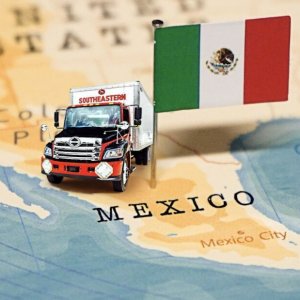
A: Mexico presents unique challenges, including varying infrastructure, security concerns, and regulatory complexities. We develop tailored truckload and cross-border solutions to address these issues directly. By leveraging a network of trusted partner carriers, we provide availability, optimize routes to minimize risk, and offer real-time tracking for enhanced visibility. Security remains a top priority, and we follow strict protocols to protect cargo integrity.
Q: How does the company leverage data, AI, and technology to optimize its logistics operations, enhance efficiency, and provide better solutions for clients?
A: We use data and technology to create smarter, more efficient logistics solutions for our customers. With real-time tracking and predictive analytics, our team of experts anticipates disruptions before they happen, keeping shipments on track and minimizing delays. By refining routing and strengthening supply chain resilience, we adapt quickly when challenges arise. These innovations drive a smoother, more reliable flow of goods across Mexico and global networks.
Q: How does your PEAK technology enhance customer experience and support real-time decision-making in logistics operations?
A: Our PEAK Marketplace provides end-to-end visibility, allowing customers to track shipments in real time and receive alerts about changes made to prevent delays. Analytics optimize routing and improves transit times, while predictive features help customers make informed decisions to avoid disruptions. Our 24/7 team monitors shipments, adjusting routes as needed to maintain smooth operations.
Q: How do you ensure that data security remains a top priority, especially when handling sensitive customer information in cross-border logistics?
A: Security is at the core of our operations. Our team follows guidelines, conducts regular audits, and upholds compliance with international trade regulations. In cross-border logistics, we take extra measures to protect data while maintaining a smooth and efficient customs process.
Q: How do you integrate Ascent Global Logistics’ broad range of services seamlessly to offer your clients unmatched speed, reliability, and safety?
A: We integrate air, ground, and ocean freight by strategically coordinating each transport mode to fit the unique needs of the shipment. Our logistics experts evaluate urgency, cost, and risk factors to determine the most efficient route and method. With continuous monitoring throughout the journey, we can adjust as needed to keep shipments secure and on schedule. This proactive approach creates timely deliveries with minimal disruption, providing our customers with the speed, reliability, and safety they expect.
Q: How do you manage Mexico’s infrastructure challenges and security issues, and what steps are you taking to mitigate these risks?
A: Mexico’s evolving role in global supply chains comes with both infrastructure challenges and security risks. We proactively address these by continuously assessing route safety, leveraging local expertise, and collaborating with authorities to enhance security. With offices in Aguascalientes, Monterrey, Queretaro and Mexico City, our strong physical presence allows us to navigate these complexities and keep shipments moving safely and efficiently.
Q: How does the company adapt its operations to maintain service continuity, especially during critical moments like border closures or port congestion?
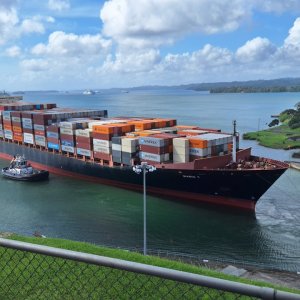
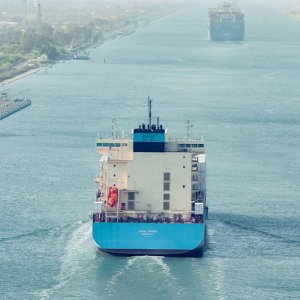
A: We continuously monitor weather patterns, political events, and infrastructure bottlenecks to anticipate disruptions. Our ability to shift between transportation modes maintains service continuity for our customers. For example, we offer Fast Boat, a solution that offers 10-17 day port-to-port transit times for time-critical ocean freight shipments across Trans-Pacific and Trans-Atlantic lanes. By leveraging our controlled assets, we quickly pivot and secure alternative routes or solutions, minimizing impact to our customers' critical shipments.
Q: Port congestion and infrastructure challenges are leading companies to explore alternative routes or means of transportation. How has this impacted your operations or logistics solutions?
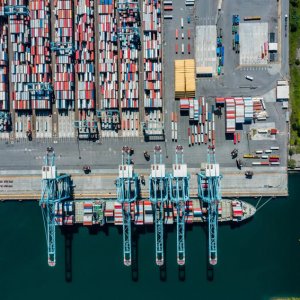
A: Diversifying transport routes is essential. We regularly explore alternative solutions and develop contingency plans to smooth operations. Our expertise allows us to pivot quickly, offering flexible options that help customers navigate disruptions and minimize delays. We have built strong relationships with shipping lanes and alliances, which allow us to secure capacity and optimize timelines, even over the water. This helps expedite ocean freight and provide faster alternatives during periods of congestion.
Q: What challenges have encountered when managing customs clearance and optimizing multimodal transportation for shipments moving to and from Mexico?
A: Managing cross-border logistics to and from Mexico presents challenges like navigating complex customs regulations, varying regional requirements, and infrastructure inconsistencies. However, these challenges present opportunities to streamline customs clearance with local expertise, improving compliance and reducing delays.
Q: How are you positioning the company to take advantage of the opportunities presented by nearshoring?
A: We are closely aligned with nearshoring and regionalization trends, particularly through our expansion in Mexico. By placing our team in close proximity to customers, we can build stronger, more collaborative partnerships. This enables us to offer flexible, responsive logistics solutions tailored to the specific needs of the region. Additionally, we have developed key partnerships across cross-docking, drayage, and both national and international carriers, allowing us to provide seamless, cost-effective, and timely solutions for the growing demand in regional supply chains.
Q: What are the key benefits that your clients experience by partnering with you for nearshoring?
A: Customers partnering with us benefit from faster delivery times, reduced shipping costs, and optimized supply chains. Our local expertise and multimodal solutions, combined with real-time tracking and ongoing communication, help customers navigate regulatory complexities and security concerns while maintaining efficient, cost-effective transportation. We take a proactive approach to risk management, maintaining business continuity through alternative routing, capacity planning, and compliance management. We also focus on cost optimization, helping customers reduce lead times and transportation expenses, two critical factors in today’s competitive market.
Q: How are the uncertainty surrounding tariffs, the USMCA, and Mexico’s relationship with China expected to impact the logistics and supply chain sector?
A: As of April 2025, US tariffs on non-USMCA-compliant Mexican imports of up to 25%, are adding pressure to cross-border manufacturing, particularly in the automotive sector. While USMCA still offers a duty-free framework, stricter enforcement and compliance costs are rising.
Meanwhile, Mexico’s deepening ties with China, including investment in manufacturing and infrastructure, present both opportunities and concerns. For automakers, this means potential access to capital and technology, but also increased scrutiny over sourcing and trade compliance.
Overall, these dynamics demand agility. Manufacturers that stay compliant, optimize regional supply chains, and monitor geopolitical shifts will be best positioned to maintain resilience and growth.
Q: What strategies are you implementing to navigate these challenges and provide stability for your clients?
A: We closely monitor policy shifts and work with regulatory experts to keep our customers informed. Our trusted transportation network enables quick adaptation to disruptions, while data insights help optimize supply chains, reduce costs, and maintain agility. We also believe that strong collaboration between the United States and Mexico will build a stronger relationship, benefiting both our customers and the broader logistics sector.
Q: How are nearshoring and changes in global trade patterns expected to transform the future of cross-border logistics?
A: As nearshoring accelerates and global trade patterns shift, cross-border logistics will evolve rapidly, particularly between the United States and Mexico. Mexico's strategic role in North American manufacturing is expanding, but it is not without challenges. Ongoing tariff threats and trade policy uncertainty, especially around the automotive sector, are prompting companies to reassess risk and diversify supply chains within the region.
To meet demand, we expect continued investment in infrastructure at key border crossings, as well as increased adoption of advanced customs technology and digital tools to improve visibility and speed. Mexico’s logistics sector will need to balance agility with compliance as policy shifts occur, making trusted partners with deep regulatory expertise more critical than ever.
Q: How will logistics services and costs be impacted by climate challenges in the year ahead?
A: Climate challenges will drive the need for flexible, resilient supply chain solutions. We focus on building strong relationships with authorities and customers to develop contingency plans for weather disruptions. We proactively send weather updates to help customers make informed decisions. As a SmartWay partner, we are also committed to reducing our carbon footprint across global operations.
Q: What are your key priorities for building supply chain resilience, and how are you preparing for the challenges and opportunities that lie ahead?
A: We are investing in both technology and talent to enhance supply chain visibility and efficiency. By training and hiring the best in the industry, we bring in the expertise needed to tackle challenges head-on. We are also strengthening partnerships to offer more tailored solutions and expanding our presence in critical areas across the globe to better support customers as trade patterns and market demands evolve.
Ascent Global Logistics is a leading global provider of expedited, time-critical logistics solutions and other direct transportation services.
You May Like








Most popular








