

Speeding Up the Digital Transformation

STORY INLINE POST

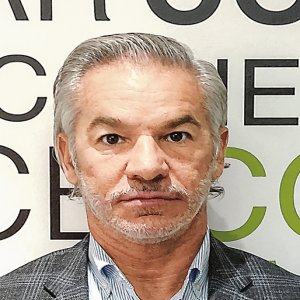




Mexican freight forwarders and customs brokers tend to operate offline, largely missing out on the benefits of the digital transformation taking place within the logistics segment, says Ricardo Rochman, CEO and Founder of WePort, a Mexican customs broker startup that seeks to revolutionize the way processes are carried out in the sector. “Customs brokers and the international logistics business continue to be primarily offline. Everything is done through email, Excel and Word documents that only generate a large amount of work,” says Rochman.
WePort hopes to disrupt the segment with its tracking solution. “Through our WeTrack tool, we unite all entities involved in the customs and logistics process. WeTrack controls operations, processes, events, KPIs, services and alerts, among many other things.” This tool has become WePort’s added value and has generated a great deal of interest from clients and competitors, Rochman adds.
WeTrack’s relevance becomes apparent when looking at the number of people and companies involved in a single operation, complicating communication between entities. “In each import and export operation there are at least seven companies involved, including the manufacturer, the transport company in the country of origin, the freight agent in the country of origin, the shipping company, the insurance entity, the freight agent in the country of destination and the customs broker.” WeTrack allows for unified control, according to Rochman. In addition, every WePort client has direct contact with its executive account representative. “Our clients can contact us 24/7 and we guarantee a response in minutes. We have operations all over the world so there is always someone in charge.”
Changing the sector mindset and asking clients to adopt innovative strategies has been among the company’s most difficult challenges. “We work in an industry with people of very different personalities. For the youngest, using our tool to track your load is quite easy but those who have been in the industry for a longer time are used to doing things in a certain way. Our challenge is to convince them to use our WeTrack tool for their information needs,” says Rochman.
WePort must also stand out in a segment that is lightly regulated, leading to sometimes shady practices. “There is no regulation that provides a right legal figure or framework for freight forwarders in Mexico, which means that almost anyone can call themselves an international freight broker. This generates fears for customers and challenges for competitors,” explains Rochman.
Despite international trade being heavily affected by variables such as exchange rates and the unstable environment of international free trade agreements, Rochman says the industry has been growing intensively in Mexico both in imports and exports. Still, companies face constant logistics and geo-economics challenges. “They do not know how to send a product from Mexico to other countries using an effective logistics solution that pursues agility and cost reduction,” he says. “They tend to be unaware of commercialization requirements, regulations and needed certifications.”
Although Mexico enjoys several free trade agreements, Rochman points out that the country is not among the easiest when it comes to importing products. “There have been several complaints regarding the existing barriers for importing products to Mexico. The necessary documentation is impressive.” Rochman says these hurdles discourage many entrepreneurs and SMEs that aspire to venture into the Mexican market, adding that the authorities need to have greater flexibility. “Importers are aware that they must comply with nontariff restrictions but in Mexico, bureaucracy and waiting times delay import and commercialization processes, which can wear out a company.”
Although WePort has enjoyed almost double-digit annual growth, Rochman says the company can be heavily impacted by two elements: the evolution of the shipping business and the USMCA agreement. “As a company, we need to continue doing things the right way. This will help us take advantage of the opportunities and diversify our operations.”
You May Like







Most popular








