

Mexican Legal Mining Review 2024



STORY INLINE POST







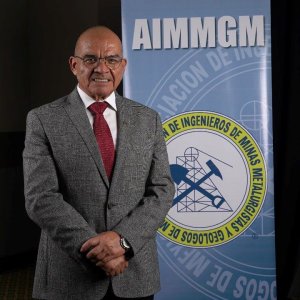
 By Pablo Méndez | Managing Partner -
Thu, 01/09/2025 - 10:00
By Pablo Méndez | Managing Partner -
Thu, 01/09/2025 - 10:00
2024 has been transformative for Mexico, marked by significant political shifts and consequential developments in the mining sector. Claudia Sheinbaum's election as the nation’s first female president heralded a new era, bringing with it policy proposals poised to reshape the mining industry.
In June 2024, Sheinbaum secured the presidency with nearly 60% of the vote. Representing the left-wing Morena party, Sheinbaum’s campaign emphasized continuity with the populist policies of her predecessor, Andrés Manuel López Obrador, focusing on infrastructure development and social programs. Her administration has pledged to foster a "diverse and democratic" Mexico, underscoring peace and unity among citizens.
Beyond these overarching promises, Sheinbaum has committed to addressing critical issues in resource-intensive sectors, including mining. Her politics, marked by academic rigor and a data-driven approach, has already started to influence the trajectory of mining policies in Mexico.
In July 2024, President-elect Sheinbaum unveiled her "100 Steps for Transformation" plan, outlining her administration’s policy agenda, and notably, the plan includes a commitment not to grant new open-pit mining concessions during her tenure; furthermore, existing concessions are subject to evaluation and may continue only if they have public approval and do not adversely impact the environment. Additionally, the plan proposes creating a system to transport treated water from urban areas to mines, aiming to reduce the industry’s reliance on potable water. However, details regarding the implementation and financing of this initiative remain unspecified.
Critics have pointed out the lack of clarity and actionable timelines within the plan. Industry leaders, while recognizing the intent behind these measures, have expressed concern over the potential for increased bureaucratic hurdles, which could deter both local and international investors.
On the legislative side, in August 2024, Mexico’s lower chamber of Congress approved an initiative seeking to ban open-pit mining, prohibit fracking, and restrict water usage in areas facing scarcity. Sheinbaum announced that her government would review this legislation, emphasizing the need to balance environmental protection with national development goals. The Mexican Mining Chamber (Camimex) has expressed strong opposition, warning that such a ban could lead to a 1% contraction in GDP and jeopardize nearly 200,000 jobs, given that open-pit mining accounts for 60% of the nation’s mining and metallurgical production.
The proposed initiative has sparked debates. Environmental groups and local communities have praised the initiative, citing concerns over water contamination, deforestation, and health risks associated with open-pit mining operations. Conversely, mining industry experts advocate arguing that a ban could compromise Mexico’s competitiveness in the global mining market, particularly for metals such as gold, silver, and copper, which are predominantly extracted through open-pit methods.
On the other hand, the Supreme Court of Justice (SCJN) has postponed resolving conflicts and reviewing appeals related to the Mining Law amendments published in May 2023, which introduced stricter regulations, including reducing mining concessions from 50 years to 30 and imposing more stringent water extraction permits. The delay has heightened uncertainty within the sector, particularly for companies seeking legal clarity to proceed with investments and project development.
The court's eventual decision will set a precedent for future disputes in the mining sector. The prolonged uncertainty has placed additional pressure on stakeholders, with some companies adopting a cautious approach to expansion and new projects until the legal landscape is clarified.
Despite regulatory and legal challenges, the Mexican mining sector anticipates stable investment levels. However, due to the tightened regulatory environment, the focus is expected to shift toward expanding and modifying existing operations rather than initiating new projects. Industry leaders have called on Sheinbaum to support the mining industry to enhance economic opportunities, emphasizing the need for certainty, opportunity, and collaboration.
Some companies, such as Newmont, have expressed optimism about working with the government to navigate increased royalty rates and other proposed fiscal changes. The dialog between private stakeholders and the administration will be critical in determining the sector’s trajectory.
Environmental concerns also influence policy decisions affecting the mining sector. The proposed ban on open-pit mining and the emphasis on reducing potable water usage in mining processes reflect the administration’s commitment to environmental sustainability. These measures align with broader public sentiment advocating for responsible resource extraction practices that minimize ecological impact and prioritize community well-being.
Local communities have become more vocal in their demands for transparency and equitable benefit-sharing from mining projects. Companies are increasingly expected to demonstrate corporate social responsibility through investments in community development, infrastructure, and environmental remediation efforts.
The developments of 2024 underscore a crucial moment for the Mexican mining industry, characterized by regulatory reforms, environmental considerations, and a shifting political landscape under President Claudia Sheinbaum’s leadership. As the administration seeks to balance economic development with environmental sustainability, stakeholders within the mining sector must navigate an evolving legal framework and adapt to new policy directions. The forthcoming decisions by the Supreme Court and the outcomes of legislative reviews will shape the trajectory of mining activities in Mexico.
The year’s events serve as a reminder of the complex interplay between governance, environmental management, and economic growth. The challenges and opportunities developed during 2024 will likely have long-lasting implications for Mexico's mining sector, defining its role in the nation’s broader socio-economic landscape.
You May Like

Most popular








