

Transportation as a Driver of Economic Development



STORY INLINE POST







 By Konstantinos Panagiotou | CEO -
Thu, 01/30/2025 - 12:00
By Konstantinos Panagiotou | CEO -
Thu, 01/30/2025 - 12:00
Urban mobility is far more than just the movement of people, it is a fundamental driver of economic and social development. In an increasingly urbanized world, having efficient transportation systems not only simplifies daily life but also transforms communities, revitalizes local economies, and reduces inequalities by connecting people to opportunities that once seemed out of reach.
In Mexico, this connection between transportation and economic development is particularly evident. Historically, improvements in mobility infrastructure have been linked to periods of economic growth. Efficient transportation systems not only enhance productivity by reducing commuting times but also lower costs associated with traffic congestion and improve access to employment, education, healthcare, and recreational spaces. For instance, a worker who can travel more quickly and safely to their workplace is more likely to perform efficiently, benefiting both businesses and the economy at large. Additionally, well-designed transportation promotes social equity by reducing disparities between urban areas and peripheral communities, many of which have historically been marginalized.
In recent years, Mexico has undertaken significant efforts to transform urban mobility in its major cities. These projects are not only focused on modernizing traditional systems, such as the Metro and Metrobús, but also on fostering new forms of transportation that address the challenges of the 21st century. Key initiatives include the construction of bike lanes, the promotion of electromobility, and the introduction of more innovative mass transit systems, such as urban cable cars.
Electromobility, for example, has gained prominence as an effective response to the environmental and social challenges facing the country. Electric vehicles not only contribute to reducing greenhouse gas emissions but also decrease dependence on fossil fuels — an increasingly critical priority in the current context of climate change. Similarly, bike lanes not only promote more sustainable and healthy mobility but also foster a culture of road coexistence and environmental stewardship.
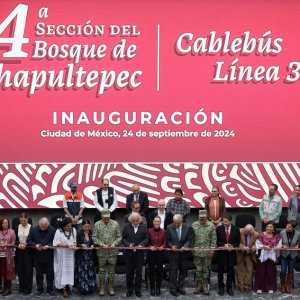
Despite these advances, the challenges remain significant. Mexican cities continue to grapple with historic issues of traffic congestion, air pollution, and a lack of accessibility in marginalized areas. However, these challenges have also paved the way for innovative solutions. Projects such as the Cablebús Line 1, which connects Cuautepec with Indios Verdes, and Line 3, linking Chapultepec with Santa Fe, are clear examples of how transportation innovation can positively transform the lives of thousands.
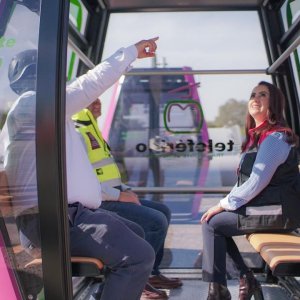
Urban cable cars have emerged as an efficient, eco-friendly, and socially inclusive option. These systems stand out for their ability to connect hard-to-reach areas, such as mountainous regions or underserved communities, which have traditionally been neglected by other forms of transportation. Furthermore, cable cars have a positive impact on the local economy, as they tend to attract investments, create jobs, and revitalize the communities they traverse.
The interdependence between transportation and economic development creates a virtuous cycle of mutual reinforcement. On the one hand, efficient transportation drives economic growth by improving connectivity and facilitating trade and business activities. On the other, this growth increases the demand for more advanced infrastructure and transportation services, which in turn fosters technological innovation and the development of more sustainable solutions.
However, to ensure that this cycle is truly inclusive and sustainable, decision-makers must adopt a comprehensive approach. This involves considering not only the construction of infrastructure but also factors such as social equity, environmental sustainability, and road safety.
In the current context of accelerated urbanization, the challenges are undeniable. Mexican cities face growing demand for public transportation, high levels of pollution, and infrastructure that, in many cases, has struggled to keep pace with population growth. Yet, these challenges also present a unique opportunity to transform urban mobility into a driver of development.
Projects such as cable cars, bike lanes, and electromobility demonstrate how it is possible to move toward a more inclusive and sustainable transportation model. Additionally, the implementation of technological solutions, such as digital mobility platforms and intelligent monitoring systems, can help optimize resources and improve user experiences.
Urban mobility is, at its core, the heartbeat of modern cities. It not only connects people and places but also drives economic development, strengthens social fabric, and opens the door to a more equitable and sustainable future. By investing in systems like urban cable cars, electromobility, and the expansion of public transportation networks, Mexico has the opportunity to lead an urban development model that can inspire other nations.
In this process, every decision matters, and every project represents a step toward a more connected, dynamic, and fair country.
You May Like

Most popular






