


Trilateral Summit on Protected Areas: Mexico, US, and Canada
 By Eliza Galeana | Junior Journalist & Industry Analyst -
Tue, 05/14/2024 - 13:32
By Eliza Galeana | Junior Journalist & Industry Analyst -
Tue, 05/14/2024 - 13:32
Led by the Ministry of Environment and Natural Resources (SEMARNAT) through the National Commission of Protected Natural Areas (CONANP), the North American Intergovernmental Committee on Cooperation for Protected Areas (NAPA) brought together leaders from land and resource management agencies across North America, alongside specialists from various fields, to discuss topics of interest such as diseases derived from contact with wildlife, the One Health approach, grassland conservation, the American bison, the California condor, the Monarch butterfly, and the role of communities in PNA management.
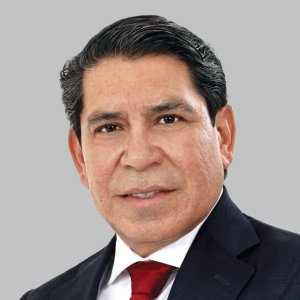
Humberto Adán Peña, Director, CONANP, emphasized the need to strengthen actions to protect the Monarch butterfly, as well as land and pasture regulation. He also stressed the importance of trinational cooperation in preventing and combating forest fires, as well as in sharing experiences on caring for areas and biological corridors for the benefit of people, ecosystems, and biodiversity.
Peña highlighted Mexico's efforts in advancing the development of Protected Natural Areas (PNAs). Over the past six years, 43 PNAs have been established, marking President Lopez Obrador’s administration the most prolific in terms of safeguarding natural territories in the nation's history. In 2024 alone, the government announced the creation of 20 new protected areas across 12 states and two coastal regions, encompassing roughly 2.3 million ha. However, amidst these achievements, Mexico's environmental sector has faced significant budget cuts, hampering resources and personnel required for effective surveillance and monitoring of these areas.
A visit to the Etla Forest in Benito Juárez National Park underscored the invaluable contribution of communities in managing, maintaining, and utilizing the cultural and natural resources within the area. UNESCO highlights the importance of including communities in conservation processes, alongside comprehensive and effective protection measures for natural areas and cultural sites. In this context, conflicts have arisen between the federal government and some communities regarding the establishment of PNAs. While Mexico is committed to adhering to international conservation policies by protecting extensive land areas, local communities, with longstanding ties to these territories, assert their rights to manage the land sustainably for their livelihoods, through forestry, agriculture, and hunting activities.
Malena Oliva, Researcher, UNAM, highlighted that it is not a matter of how much to conserve, but how to conserve. "That comes through acknowledging Indigenous peoples and local community efforts,” she said during an interview with Mongabay. Moreover, the specialist underscored that huge efforts are being made to open a new pathway for indigenous and local communities to be taken into consideration in achieving conservation targets, beyond protected areas and surface-based conservation measures.
This meeting marked the first gathering of the committee since Mexico took on coordination responsibilities at the “Perspectives, Protected Areas of America” event in November 2023. At that time, a memorandum of understanding was signed, committing the participating agencies to conserve and protect the biodiversity of North America's protected areas.
About NAPA
Established in 2023, NAPA is a collaborative initiative between the National Commission of Protected Natural Areas, Parks Canada Agency, US Fish and Wildlife Service, National Parks Service, US Forest Service, US Geological Survey, and Bureau of Land Management. Together, these agencies manage approximately 15% of North America's surface area and are dedicated to addressing common ecological, economic, and social challenges transcending national borders.
Currently, NAPA focuses on critical issues for the three countries, such as biological and landscape connectivity, climate change response, and indigenous management of protected areas. Moreover, Mexico, the United States, and Canada are among the 200 countries committed to conserving 30% of land, continental waters, and marine and coastal areas by 2030, as part of The Kunming-Montreal Global Biodiversity Framework (GBF) signed during COP 15, in 2022.
You May Like





Most popular








