

Breaking Barriers to Nearshoring’s Greatest Benefit



STORY INLINE POST




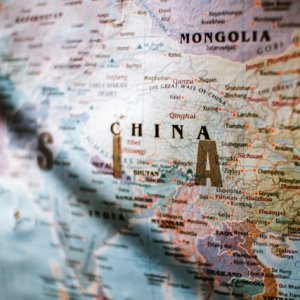


The world is changing rapidly, and with it, the dynamics of global supply chains. Factors such as geopolitical tensions, the commercial tensions between China and the United States, the COVID-19 pandemic, and the semiconductor crisis have highlighted the fragility of these chains. In response, many companies are looking to move their operations closer to their main markets, a strategy known as nearshoring. Mexico, due to its proximity to the United States and its strong manufacturing base, is in a unique position to benefit from this trend. However, despite the obvious potential, Mexico faces significant challenges that it must overcome to fully capitalize on this opportunity.
In recent years, Mexico has seen an increase in the value of its exports, reaching US$593 billion in 2023. This growth has been primarily concentrated in sectors such as electrical equipment and automotive. However, despite these achievements, Mexico has not captured the full potential of nearshoring. Neither foreign direct investment (FDI) nor exports have accelerated their growth in real terms since 2019. In contrast, developing Asian countries such as Vietnam, Thailand, and India have seen a significant increase in their exports to the United States, surpassing Mexico in this aspect.
The question then is: What is holding Mexico back? The answer lies in a series of critical challenges that need to be addressed. Recently, Bain & Company developed a new study that evaluates the true potential of nearshoring in Mexico, which revealed that an additional US$200 billion could be lost in addition to exports generated by this phenomenon.
Despite its strategic location, Mexico's logistics infrastructure lags behind other countries. Roads, ports, and railways require significant investment to meet the demands of increased manufacturing activity. Additionally, the efficiency of customs processes has declined, affecting the smooth flow of trade and increasing costs. To resolve these issues, Mexico needs to invest in modern infrastructure and improve customs capacity with innovative technology and trained personnel.
The generation and supply of electricity, especially from renewable sources, and access to water are crucial for industrial operations. In recent years, Mexico has had limited growth in electricity generation capacity and the expansion of the transmission network. To attract investments and foster industrial growth, Mexico must ensure a reliable and sufficient supply of electricity and water. This will require coordinated efforts between the government and the private sector, as well as investments in clean energy and transmission infrastructure.
The shortage of skilled workers is another significant challenge. Companies looking to establish themselves in Mexico require personnel with advanced skills in automated manufacturing. Currently, the difficulty in filling vacancies and the lack of skilled workers are significant obstacles. To address this problem, it is crucial to foster collaboration between the government, universities, and the private sector to develop vocational training programs and technical education opportunities.
Despite being cost-competitive, several factors could increase pressure on Mexico. These include a potential labor reform, the continued increase in the minimum wage, and the rise in financing costs if the country's risk deteriorates. To maintain its competitiveness, Mexico must focus on improving productivity and reducing costs by accelerating the digitalization and automation of processes through technology and artificial intelligence.
The perception of Mexico as a dangerous country represents a significant barrier to attracting foreign investment and high-level talent. Improving security conditions is crucial to making Mexico a more attractive destination for nearshoring. This will not only reduce costs associated with insecurity but also facilitate the attraction of skilled labor and keep investment concentrated in the current main hubs.
Consolidating and accelerating the value of nearshoring could transform Mexico's economic landscape, doubling the total value of exports by 2030 and reaching US$1.1 trillion dollars. To achieve this, Mexico needs to address the aforementioned challenges and fully capitalize on the relocation opportunity. The sectors with the greatest opportunity include electrical equipment, machinery, metals, and plastics, where Mexico already has a strong presence and can benefit from the reduction in Chinese exports to the United States.
Nearshoring offers a transformative opportunity for Mexico, promising economic growth, job creation, and greater global competitiveness. Failing to do so could leave Mexico behind its Asian competitors. The time to act is now, before this opportunity fades and goes underutilized.
Nearshoring is more than a trend; it is a window of opportunity that Mexico cannot afford to miss. With the right efforts and strategies, Mexico has the potential to become an essential pillar in the global economy, leveraging its proximity to one of the largest markets in the world and transforming its economic landscape for the coming decades.
You May Like







Most popular








