GenAI in the Fight Against Fraud: Is it a Double-Edged Sword?



STORY INLINE POST







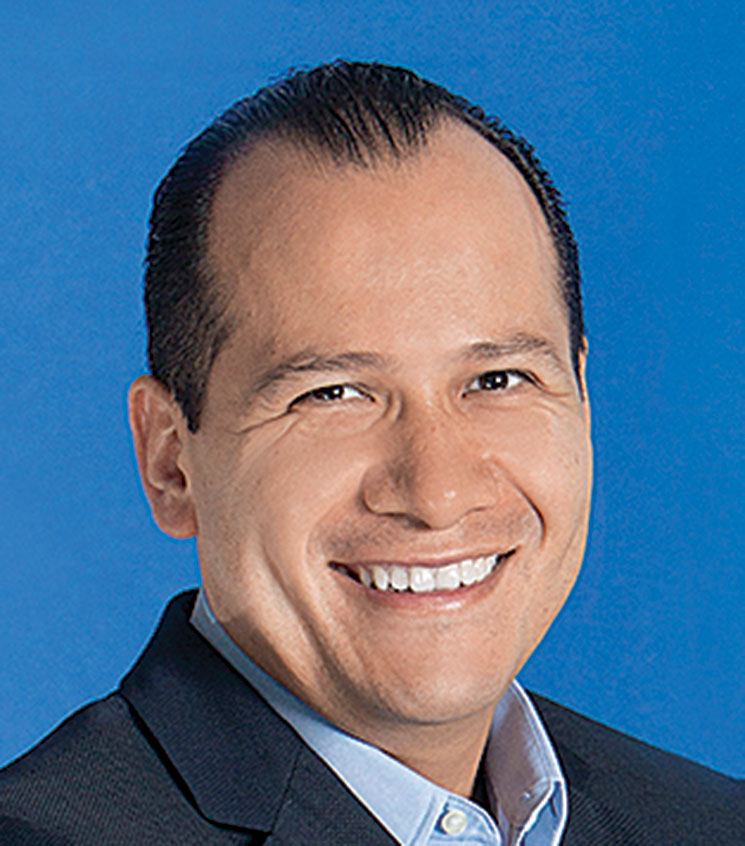
 By Hector Cobo | Regional Vice President Mexico, Caribbean, and Central America -
Thu, 05/09/2024 - 08:00
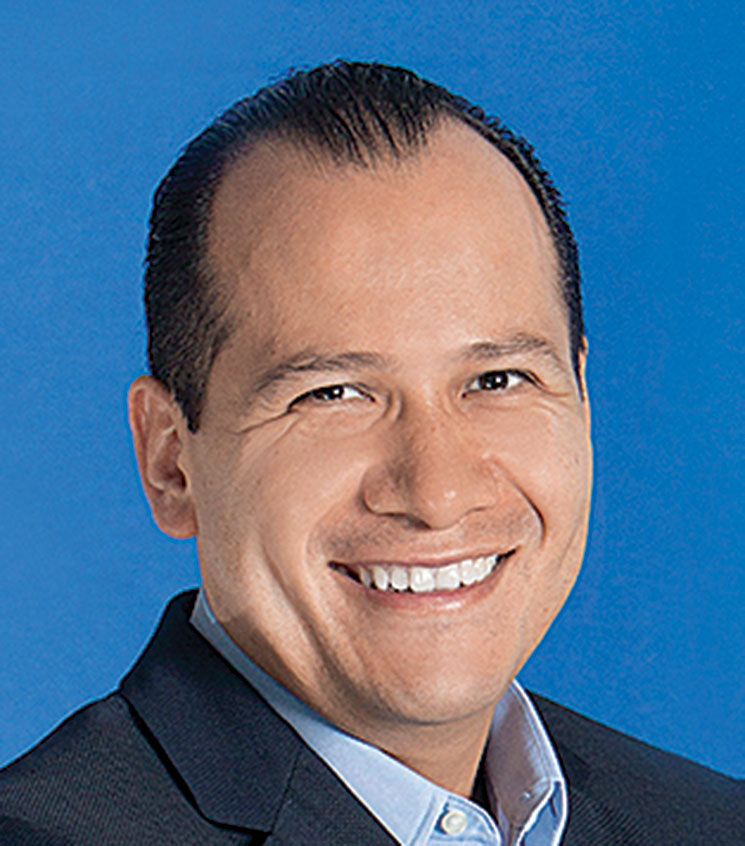
By Hector Cobo | Regional Vice President Mexico, Caribbean, and Central America -
Thu, 05/09/2024 - 08:00
In a world increasingly digitized and fascinated by generative AI, the technological arms race between fraudsters and those seeking to dismantle their schemes is intensifying by leaps and bounds. According to the latest study on anti-fraud technology elaborated by the Association of Certified Fraud Examiners (ACFE) and SAS, 83% of fraud prevention experts plan to incorporate this technology into their tools in the next two years.
The ACFE and SAS report, which reflects the responses of almost 1,200 members, indicates a growing interest in AI and machine learning (ML) since 2019. But while almost 1 out of 5 professionals already incorporate these technologies, the reality has fallen short with respect to previous expectations. Adoption has grown just 5% since 2019, well below anticipated rates. This gap between expectations and reality highlights a fundamental challenge: the practical difficulties of implementing these technologies in anti-fraud programs, when the correct advice is not available.
Other notable trends include the increasing use of biometrics and robotics, especially in the banking and finance sectors. These tools have proven to be more accessible and applicable in the fight against fraud. However, the accessibility of generative AI tools makes them incredibly dangerous in the wrong hands.
On the other hand, one of the most notable challenges is the need to balance innovation with ethics and responsibility. Ethical use of generative AI is a complex and delicate task, especially compared to fraudsters, who have no such ethical constraints. This difference underscores a critical point: While fraudsters can exploit these technologies unscrupulously, legitimate organizations must navigate a much more winding path, balancing innovation with integrity and accountability.
Furthermore, another important challenge for companies lies in choosing suitable technology partners. AI and machine learning are not simple, plug-and-play applications. However, its benefits can be more easily leveraged by deploying modularized solutions across the risk management spectrum on a single AI-powered platform.
Despite these challenges, the enthusiasm for generative AI is undeniable and understandable, as it promises more effective identification of anomalies and trends, but must be guided by clear principles to minimize errors and biases.
In a world increasingly dominated by data, generative AI and other AI technologies offer considerable potential to transform the fight against fraud. However, they must be managed responsibly and prudently, balancing the promise of innovation with the need for security, ethics and precision. The future of generative AI in the fight against fraud is full of possibilities, but only time will tell if these technologies will live up to the high expectations they have generated.
You May Like




Most popular