Batteries and Their Importance to Mexico’s Solar Future



STORY INLINE POST







 By Felipe Gallego Llano | Electromoiblity Expert -
Fri, 03/21/2025 - 06:30
By Felipe Gallego Llano | Electromoiblity Expert -
Fri, 03/21/2025 - 06:30
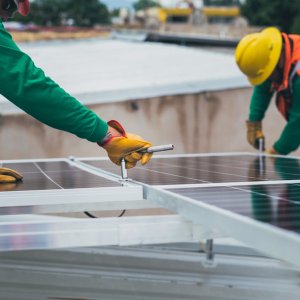
Under Claudia Sheinbaum’s administration, Mexico has set its sights on a major expansion of solar energy as part of its broader renewable energy strategy. According to BloombergNEF, solar investments are expected to dominate energy funding in the coming years. While Mexico’s abundant sunshine presents a huge opportunity, the intermittent nature of solar power creates challenges for grid stability and reliability. As Mexico ramps up its solar infrastructure, battery energy storage systems (BESS) are not just a complementary technology, they are an essential component of a successful energy transition.
The Challenge of Solar Intermittency
Despite its many benefits, solar energy is inherently intermittent. Production stops at night and drops significantly during cloudy weather, creating mismatches between energy generation and demand. This inconsistency poses serious challenges for grid operators, who must maintain a constant balance between supply and demand.
Without proper storage solutions, renewable-heavy grids face several problems:
-
Curtailment of excess renewable energy during peak production
-
Continued reliance on fossil fuel "peaker plants" to meet demand when solar generation drops
-
Grid instability and potential blackouts
-
Limited ability to optimize energy distribution across time and geography
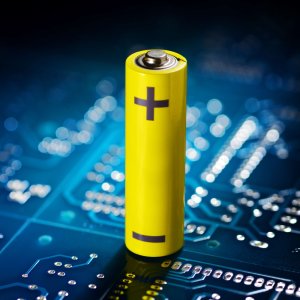
Battery storage systems help solve these issues by storing excess energy when production is high and releasing it when production falls, effectively turning intermittent solar power into a reliable, dispatchable energy source.
Lessons From Texas and Australia
Texas provides valuable insights for Mexico due to its geographic proximity, similar climate conditions, and interconnected energy markets. The state has seen a rapid battery storage expansion, growing from just 100MW in 2020 to over 2GW by 2023, alongside significant wind and solar investments.
The February 2021 winter storm that crippled Texas highlighted the importance of energy resilience. While the natural gas infrastructure failed, the few operational battery storage systems performed exceptionally well, helping to maintain power for critical infrastructure. Since then, battery deployments have surged across ERCOT (Electric Reliability Council of Texas), with projects like the 260MW/260MWh Rayos del Sol Energy Storage facility proving successful. These systems not only provide backup power but also generate profits through energy arbitrage — buying electricity when prices are low and selling when they spike.
Australia offers another compelling case study. The 150MW/194MWh Hornsdale Power Reserve in South Australia dramatically improved grid reliability after its 2017 installation. Following severe blackouts, this Tesla-built battery system demonstrated the ability to stabilize the grid in milliseconds, far faster than conventional power plants. The economic benefits have been equally impressive, saving consumers over AU$150 million in grid stabilization costs in just two years.
Challenges Mexico Must Overcome
Despite these success stories, Mexico faces unique challenges in developing a strong battery storage infrastructure:
1. Supply Chain Constraints
The global demand for battery materials, especially lithium, cobalt, and nickel, has created supply shortages. Although Mexico has significant lithium reserves, particularly in Sonora, developing a domestic battery industry requires major investments in extraction, processing, and manufacturing. Mexico must secure supply chains through strategic partnerships or by expanding local production capacity.
2. Technical Expertise and Infrastructure
Battery systems require specialized knowledge for proper operation, maintenance, and integration into the grid. Heat management is especially critical in Mexico’s warmer regions, as high temperatures can reduce battery efficiency and lifespan. Mexico must invest in technical training programs to develop a skilled workforce capable of managing these systems.
3. Regulatory Framework
Mexico’s electricity market regulations need updates to fully integrate and incentivize battery storage. Recently, the Energy Regulatory Commission (CRE) published new administrative provisions to facilitate the connection of battery storage to the national grid. However, additional reforms are needed to ensure storage providers are compensated for services like frequency regulation, voltage support, and black start capability.
The Broader Benefits of Battery Storage
Beyond solving intermittency issues, battery storage offers several additional benefits:
-
Grid Resilience: Batteries can provide backup power during extreme weather events, reducing Mexico’s reliance on imported natural gas. This was evident during the 2021 Texas freeze, which disrupted gas supplies to Mexican power plants and caused widespread outages.
-
Cost Savings and Efficiency: Batteries can delay or eliminate the need for expensive transmission and distribution upgrades. This is crucial for fast-growing regions like the Bajío industrial corridor or tourist hotspots in Quintana Roo.
-
Energy Access for Remote Communities: In states like Oaxaca, Chiapas, and Guerrero, microgrid systems with solar and battery storage can provide reliable electricity without expensive grid extensions, offering economic and social benefits.
Business Models for Battery Storage
Several successful business models have emerged worldwide to maximize the economic value of battery storage:
-
Hybrid Power Plants: Pairing batteries with solar farms improves project economics by shifting energy delivery to higher-priced hours and reducing interconnection costs. This model is highly relevant for Mexico’s planned solar projects in Sonora and Chihuahua.
-
Storage-as-a-Service: Third-party companies own and operate battery systems, providing services to utilities, grid operators, and large electricity consumers. This reduces upfront costs for end users while allowing battery operators to generate revenue from multiple sources.
-
Community Energy Storage: Aggregating residential and commercial batteries into virtual power plants can provide grid services while offering backup power to participants. Given Mexico’s high electricity prices for commercial and industrial customers, behind-the-meter storage is becoming increasingly viable.
Conclusion
As Mexico embarks on an ambitious solar expansion, integrating battery storage from the outset will be critical to maximizing the value and reliability of these investments. The experiences of Texas and Australia show that well-planned storage solutions can provide substantial economic and grid stability benefits.
The 2021 Texas grid crisis is a stark reminder of the vulnerabilities posed by natural gas dependency and the resilience benefits of battery storage. With the right strategic planning to address supply chain, technical, and regulatory challenges, Mexico can position itself as a leader in modern, resilient renewable energy systems. Battery storage is not just a technical necessity, it is a strategic opportunity to build a more independent, efficient, and sustainable energy future that supports economic growth while meeting climate commitments.
You May Like






Most popular