

Veracruz Energy: Balancing Tradition, Sustainability



STORY INLINE POST



 By Perla Velasco | Journalist & Industry Analyst -
Tue, 04/02/2024 - 15:42
By Perla Velasco | Journalist & Industry Analyst -
Tue, 04/02/2024 - 15:42
Q: What were the agency's primary priorities in 2023 and which areas will it focus on this year?
A: In 2023, the Veracruz State Energy Agency (AEEV) concentrated its efforts on hydrocarbons and energy transition. Given Veracruz's historical ties to oil production and the significant infrastructure in place, we capitalized on opportunities stemming from 39 contracts and 142 assignments granted to PEMEX through bidding rounds. To leverage these opportunities and comply with national content requirements set by the Hydrocarbons Law, we initiated two key programs, one focused on developing the capacities of local suppliers and another aimed at enhancing the skills of our workforce.
Under our Business Platform and Human Capital for National Content initiative, we established a directory of local suppliers, where companies register and showcase their goods and services. We actively promote this offer to operators working in the region. We also conduct targeted training sessions to ensure local suppliers meet stringent international standards across seven key areas: quality systems, technical capabilities, cybersecurity, corporate policies, finance, and ESG (environmental, social and governance).
To enhance the skills of the workforce, courses are being delivered in the oil and gas sector, qualifications in photovoltaic solar energy and energy management systems, and we have designed a specialized course in the energy sector and a job linking platform.
Q: What is the scope of the agency’s education activities?
A: The Agency works with the Mexican Association of Hydrocarbons (AMEXHI) to engage its experts directly, facilitating knowledge-sharing sessions and workshops that allow students and professionals to gain insight into hydrocarbon exploration and extraction. Collaborative initiatives with industry players like Jaguar and Repsol further enrich our educational offerings, allowing us to offer tailored programs like the Jaguar Academy and specialized courses covering both traditional hydrocarbon operations and emerging clean energy.
Recognizing the importance of energy efficiency and sustainable practices, we extend our outreach beyond the industry to train public officials in energy-saving techniques and management systems. Looking ahead, our focus remains steadfast on driving innovation, fostering responsible practices and meaningful collaboration across the energy landscape. Through targeted initiatives and strategic partnerships, we aspire to contribute to the sustainable development of Veracruz's energy sector while safeguarding its natural resources.
Q: How does the agency balance the state's economic reliance on oil while seeking cleaner energy solutions?
A: Our strategy addresses both hydrocarbons and energy transition. While Veracruz has a rich history in the petroleum sector, we acknowledge the need to embrace new energy paradigms. Hence, we have crafted a comprehensive approach to the energy transition. We aim to promote the use of natural gas, recognized globally by the United Nations as a transitional fuel. Veracruz holds robust infrastructure and abundant natural gas reservoirs. Our state is traversed by the SISTRANGAS gas transportation system, originally designed to supply both Mexico City and the country’s northern regions. It also has significant natural gas production capabilities. By exploiting this abundance, we cultivated diverse industries, from gas processing centers to petrochemical complexes. These facilities not only extract dry gas but also yield valuable byproducts like ethane and LPG. We also promote the establishment of industrial parks and the adoption of natural gas for vehicular use and compressed natural gas.
Feasibility studies are conducted for industrial park placement along the Tuxpan-Cempoala corridor, leveraging the proximity of the Tuxpan marine pipeline. This initiative seeks to harness available gas resources for economic expansion, including provisions for compressed natural gas stations.
We also champion the expansion of distributed generation models, capitalizing on legislative provisions allowing entities to generate under 500KW without regulatory approval. This initiative encompasses various technologies beyond solar panels, facilitating energy autonomy for local businesses and communities. Between 2020 and 2023, we witnessed a 246% increase in distributed generation contracts.
Q: What activities is the agency embarking on to fight energy poverty?
A: To address energy poverty, we are identifying and prioritizing communities that lack grid connectivity. Through our Light for Isolated Communities program, we have conducted comprehensive assessments and secured funding to deploy solar photovoltaic systems in 233 residences of 52 underserved communities, ensuring access to essential lighting and basic home appliances.
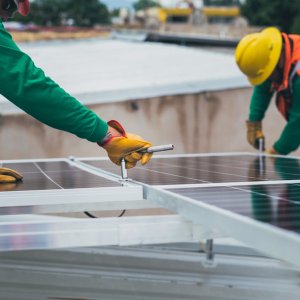
We also began photovoltaic systems installations in public institutions to showcase the viability of renewable energy systems and foster awareness among students and educators alike. These efforts extend to exploring alternative energy sources, including waste-to-energy solutions, as part of our commitment to a more sustainable energy future for Veracruz.
Q: How does the state anticipate nearshoring to affect energy demand, and how is the state preparing to meet changes to this demand?
A: The state is engaging in proactive measures to fortify the energy infrastructure and ensure readiness for the requirements brought about by nearshoring, such as introducing a robust energy efficiency program. Energy demand is growing among the industrial parks alongside the CIIT, and we are taking steps to meet these demands head on.
One pivotal facet of our strategy revolves around natural gas. While the existing pipeline supplying natural gas to the Salina Cruz refinery suffices now, projections indicate that future requirements may surpass its capacity. We are thus expanding the Texas marine pipeline reaching Tuxpan by extending it to Coatzacoalcos and potentially to Paraiso, Tabasco. There it could connect with the Mayakan pipeline servicing the southeast. This initiative aims to ensure ample gas supply for industrial parks, including those within the Inter-Oceanic Corridor (CIIT).
Veracruz also spearheaded a transformative project in partnership with Braskem to address the ramifications of reduced petrochemical production due to dwindling ethane supply. This venture entails the construction of an ethane importation facility in Coatzacoalcos, which is about 55% finished and is scheduled for completion later this year. The facility represents a US$450 million investment that promises to revitalize petrochemical production in the region. By securing ethane imports, we anticipate a resurgence in production capacity among local petrochemical plants, catalyzing a ripple effect across related industries. This project not only addresses immediate supply gaps but also sets the stage for sustained industrial growth in Coatzacoalcos and beyond.
Q: Why should investors choose Veracruz?
A: Veracruz boasts abundant natural gas resources, positioning it as a prime destination for energy investment. The state also exhibits robust electricity generation capacity with a matrix of 34% in clean and renewable energy , surpassing consumption threefold. This surplus is poised to grow with the forthcoming commissioning of a 1,050MW combined-cycle power plant in the Tuxpan area, ensuring ample energy availability for industrial endeavors.
Veracruz also stands out for its water resources, a crucial asset for various industries. Coupled with a skilled and experienced workforce, the state presents fertile ground for investment. Veracruz's strategic location within the CIIT offers it unparalleled access to global trade dynamics. Veracruz is at the crossroads of international commerce and offers unrivaled connectivity and logistical advantages.
Q: What are the agency's plans for promoting energy sustainability and development in Veracruz?
A: The agency's plans are rooted in concrete actions and strategic initiatives aimed at driving meaningful change. We are committed to fostering awareness and implementing practical measures to enhance energy efficiency across various sectors. Through targeted programs, we aim to empower organizations to adopt sustainable practices, such as optimizing energy consumption habits and replacing outdated equipment with high-efficiency alternatives. Our approach involves conducting thorough assessments to identify areas for improvement and providing tailored recommendations to facilitate informed decision-making.
We are laying the groundwork for a sustainable energy future by investing in renewable energy and distributed generation models. By leaving behind a comprehensive roadmap and ready-to-implement projects, we are facilitating continuity and empowering stakeholders to drive sustainable development independently. We are also championing the adoption of energy management systems to institutionalize sustainability practices systematically. Collaborating with academic institutions, we are developing pilot programs to implement energy management frameworks within government agencies.
We are also steering toward electrification and promoting electromobility. By fostering a conducive environment for innovation and entrepreneurship, we aspire to nurture a generation of skilled professionals capable of developing and implementing cutting-edge solutions, such as converting internal combustion vehicles to electric vehicles. We are also laying the groundwork for electric vehicle infrastructure, recognizing its pivotal role in facilitating widespread adoption of electromobility.
Veracruz State Energy Agency (AEEV) handles strategic and priority matters regarding energy, working for the development and growth of the state’s oil and energy industries.
You May Like





Most popular








