

Gender-Focused Agriculture: A Necessity




STORY INLINE POST








 By Laura Tamayo | Director of Public Affairs, Communication and Sustainability -
Thu, 10/17/2024 - 14:00
By Laura Tamayo | Director of Public Affairs, Communication and Sustainability -
Thu, 10/17/2024 - 14:00
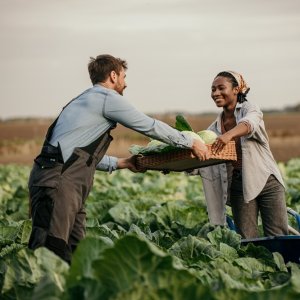
On Oct. 15, the world celebrates the “International Day of Rural Women,” a date established by the United Nations in 2007 to recognize the fundamental role women play in agriculture and rural development. However, despite their crucial contribution to food production and the global economy, rural women remain invisible in many aspects, facing barriers that limit their access to resources, training, and basic rights.
Rural women are responsible for more than half of the world's food production, and in some developing countries, they represent up to 70% of the agricultural workforce, according to data from the Food and Agriculture Organization (FAO) of the United Nations. Despite this, rural women often face significant disparities in access to land, credit, and agricultural technology.
Globally, the FAO estimates that if rural women had the same access to productive resources as men, they could increase their crop yields by 20% to 30%. This could reduce the number of hungry people in the world by 12% to 17%. However, gaps persist, and recognition of their work remains insufficient.
In Mexico, rural women play a key role in agricultural production and the economy of their communities. According to data from the National Institute of Statistics and Geography (INEGI), around 20% of agricultural production units in the country are headed by women, and about 2.5 million of them live in rural areas. However, rural women in Mexico also face significant challenges: INEGI reports that only 15% of rural women have access to land ownership, and most of them cannot access formal credit to improve their productive activities.
Moreover, 70% of women in rural areas of Mexico are employed in unpaid work, according to the National Agricultural Survey (ENA). This reflects the economic vulnerability of many women in the agricultural sector who perform domestic and productive tasks without receiving adequate income. In this context, poverty disproportionately affects rural women: The National Council for the Evaluation of Social Development Policy (CONEVAL) reports that 46% of women in rural areas live in poverty, a higher figure than their urban counterparts.
Structural Challenges and the Path to Equality
From my perspective, the solution to many of the challenges rural women face lies in adopting public policies that promote gender equality in agriculture. Ensuring their access to land, credit, and technology would not only improve their well-being but also significantly contribute to agricultural productivity and food security.
In this sense, these are my recommendations to benefit more rural women:
-
Ensure access to land and productive resources: Implement policies that promote equality in land ownership and access to productive resources such as credit, inputs, and technology.
-
Invest in technical training and education: Expand access to technical training and educational programs in rural areas, focusing on the use of new agricultural technologies and sustainable practices.
-
Promote financial support programs: Create specific credit lines and subsidies for rural women that allow them to improve their productive activities, invest in their lands, and earn fair incomes.
-
Strengthen women's representation in decision-making: Promote their active participation in agricultural decision-making bodies and in the design of public policies that directly benefit them.
-
Improve access to basic services: Ensure that rural women have access to health, education, clean water, and sanitation services, which are essential to improving their living conditions.
Rural women not only work the land; they are essential to the well-being of their families and communities. Recognizing their role and investing in their training and access to resources is not only a matter of justice but also a key strategy to address the challenges of hunger, poverty, and climate change worldwide.
With the arrival of the first woman as president of Mexico, now more than ever we will have the opportunity to bring more visibility to the challenging issues that women live with every day. It is essential that governments and international organizations continue to promote policies that empower rural women and ensure their equal participation in agriculture, thus securing a fairer and more sustainable future.
You May Like


Most popular








