

An Integral Approach to the Energy Transition: Siemens Energy



STORY INLINE POST



 By Perla Velasco | Journalist & Industry Analyst -
Mon, 08/11/2025 - 13:56
By Perla Velasco | Journalist & Industry Analyst -
Mon, 08/11/2025 - 13:56
Q: From Siemens Energy's perspective, what has been your overarching adaptation strategy over the past two years to navigate the evolving energy market in Mexico?
A: Siemens Energy is a fully independent company, separated from Siemens since 2020. This strategic decision was made to create a company wholly dedicated to the energy sector and the burgeoning energy transition. Today, we refer to this as energy expansion.
Globally, we are observing a significant increase in energy demand, with an even sharper rise in electricity demand driven by the ongoing electrification of society and, more recently, by the advent of artificial intelligence and data centers. Our vision, which is closely aligned with Mexico's context, anticipates a growing demand for technology in both power generation and transmission.
Siemens Energy operates across four key business areas:
Wind Power Generation (Siemens Gamesa): Our focus here is to expand renewable energy generation capacity. In Mexico, we have over 3,000MW installed, representing approximately 37% of the country's total wind generation. This is crucial given Mexico's target of reaching 45% renewable energy generation by 2030.
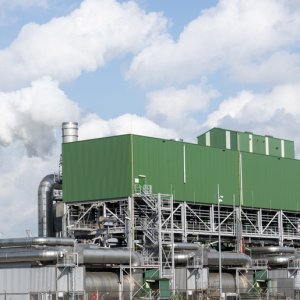
Gas Services (Power Generation): This is another critical pillar. As electricity demand grows, we are focused on power generation using natural gas and combined cycles. Natural gas is considered a transition fuel because it allows for significant reductions in CO2 emissions. For example, a high-efficiency combined cycle power plant, like those we operate with efficiencies up to 64%, can reduce CO2 emissions by nearly 70% compared to a coal-fired plant. In Mexico, we are currently installing four new, highly efficient combined cycle power plants that will add approximately 2,700MW to the national grid.
Grid Technologies (Transmission): Here, we emphasize that "there is no transition without transmission." As electricity demand and electrification grow, transmission plays an essential role in connecting generation points to consumption centers. We are collaborating with CFE on installing new substations and transformers. Mexico is particularly vital in this area as we not only serve the domestic market but also supply other regions, especially the United States. We have a high-voltage circuit breaker factory in Queretaro and two transformer factories in Guanajuato, both undergoing expansion to meet this growing demand.
Transformation of Industries (Industrial Energy Solutions): This unit encompasses our entire energy portfolio for the industrial sector. It includes compressors for oil and gas, smaller steam turbines for industrial use, and an integrated area for electrification, automation, and digitalization. We also have an incipient but developing area focused on green hydrogen, with pilot projects already underway in Mexico.
Q: Mexico is pursuing a goal of 45% clean electricity by 2030. How is Siemens Energy positioned to help Mexico achieve this target, and what role are electrification technologies playing in this?
A: The good news is that the necessary technology is already available. The key is to implement these technologies in parallel. We utilize what we call a decarbonization radar, which outlines three main stages, encompassing all applicable technologies for this electrification process.
The first stage of our radar focuses on energy efficiency, which is paramount for maximizing the efficiency of existing infrastructure. This includes, for example, combined cycle power plants. As I mentioned, our fourth business unit, which focuses on electrification, automation, and digitalization, conducts energy efficiency studies for various industries. For instance, in the oil industry, flare gas, which is currently being released into the atmosphere, can be utilized to generate electricity. This represents a core concept of energy efficiency, alongside analyzing productive processes in industries like oil and cement to identify efficiency gains.
The second stage of our decarbonization radar involves increasing the penetration of renewable energies and hybridization. Hybridization integrates more renewable sources like wind and solar power with batteries, which provide essential firm capacity to the system. Technologies such as synchronous condensers are also vital for stabilizing grid frequency, as renewable energy introduces significant intermittency. Our third business unit, focusing on transmission, not only provides substations and transformers but also specializes in grid stability, power electronics, batteries, and synchronous condensers. These technologies enable the grid to absorb the growing influx of renewable energy in this hybridization process. This "hybridization" approach continues to use alternative or transitional fuels.
The third stage, which we call deep decarbonization, looks at the medium term and incorporates hydrogen technologies. We are already working on pilot green hydrogen projects in Mexico. We see green hydrogen being used to produce methanol or synthetic fuels for hard-to-electrify vehicles like airplanes, ships, trucks, and mining vehicles, leading to significant decarbonization in these segments. Furthermore, looking further into the future, our current gas turbines used in combined cycles can burn up to 100% hydrogen. As green hydrogen becomes more competitive, it can be increasingly used in these turbines, leveraging existing assets and creating a virtuous cycle to capitalize on that technology. This actively counters the concept of "stranded assets," assets that become obsolete, by ensuring that combined cycle plants remain valuable as we advance through this third stage of deep decarbonization.
Q: How does Siemens Energy collaborate with the necessary institutions in Mexico to advance projects?
A: When we analyze Mexico's energy matrix, we see an installed capacity of approximately 90GW. However, the actual available capacity is significantly lower. Comparing this available capacity with peak demand periods reveals that the reserve margin can drop to around 1% during high peaks, underscoring the critical need for investment in expanding installed capacity and, subsequently, transmission infrastructure.
A substantial investment plan for the energy sector has been announced by the government with a total of over US$23 billion, set to drive the expansion of generation capacity in wind, solar, and combined cycles, which serve as a crucial transition fuel. Combined cycles also provide firm power, balancing the intermittent nature of renewables and bringing stability to the system.
A significant portion of this investment will be directed toward combined cycles, wind, and solar plants, as well as the modernization of the transmission grid. To directly answer your question, we are actively working with CFE to understand its strategic plan. For instance, having nearly completed the installation of four combined cycle plants, we are now engaging with CFE to identify new combined cycle projects, allowing us to prepare and bid on these opportunities. We are also preparing for wind projects, substation expansions, and grid stability projects to ensure system reliability.
All these initiatives are being pursued in collaboration with CFE. However, while CFE is the primary player, we are also actively engaging with private clients. We are co-creating and co-developing projects in areas like green hydrogen, energy efficiency, or substations for their own consumption. This forms part of our strategic focus. As a German company, we are also exploring the concept of partnerships to see how German institutions can support project development and future financing in Mexico.
Q: What are your main objectives for closing out 2025, and what are your expectations for the Mexican market in 2025 and 2026, considering your longer-term strategy?
A: In renewable energies, our focus is on consolidating our service operations and actively engaging in new wind power projects as they emerge.
For conventional power generation, we aim to advance the construction of the four combined cycle plants currently underway and prepare competitive bids for new combined cycle projects with CFE, thereby expanding generation capacity. In transmission, the primary focus for the next two years is to modernize Mexico's transmission and distribution system. Simultaneously, we are placing significant emphasis on exports from our Queretaro (circuit breakers) and Guanajuato (transformers) factories, and working on their expansion to further grow our international business. Within the Transformation of Industries business area, our objective is to continue supporting our industrial clients and further developing initiatives like green hydrogen.
Transversally, regarding our Competence Hub, we currently have approximately 600 employees, with a short-term goal of exceeding 1,000. This expansion will further consolidate Mexico's role as a key country for Siemens Energy, contributing significant added value from a Mexican perspective.
Siemens Energy is really focused on Mexico. We are seeing spectacular human talent and training capabilities here. Geopolitically, Mexico is also strategically located. This, combined with the competitiveness and stability of the Mexican economy, makes Mexico an incredibly attractive country and a core focus for Siemens Energy. We are therefore committed to growing from this foundation.
Siemens Energy is a major player in the Mexican energy market, providing a comprehensive range of products, solutions, and services across various segments. Their operations align with their global mission to "energize society" and support the transition to a more sustainable world.
You May Like





Most popular








