

Biology as a Map: Rethinking How We Navigate Wellness




STORY INLINE POST







 By Gustavo Rodríguez Leal | Founder and CEO -
Mon, 06/02/2025 - 08:00
By Gustavo Rodríguez Leal | Founder and CEO -
Mon, 06/02/2025 - 08:00
As healthcare systems worldwide grapple with rising chronic disease rates and shifting patient expectations, the limitations of generalized, one-size-fits-all approaches are becoming increasingly evident. Advances in biotechnology, digital infrastructure, and data science are opening the door to more precise, individualized models of care grounded in each person’s unique biology.
Among these developments, genetic information has emerged as a key driver of change. Once confined to research labs and specialized clinics, genomic insights are now becoming more accessible to the broader public through new technologies and platforms. This shift is reshaping how we think about prevention, well-being, and the future of healthcare delivery.

Unlocking the Potential of Your Own Biology
Imagine a future where your health decisions are not based on trends or guesswork but grounded in your unique genetic makeup. Thanks to the convergence of biotechnology, digital platforms, and data science, that future is already here. Leading companies across the globe are making this transformation possible by putting genomic insight directly into the hands of individuals.
Mexico is uniquely positioned to lead this movement. The opportunity for anyone is immense. With just a saliva sample, you can gain insights into your nutrition, metabolism, detoxification, and sleep tendencies, allowing you to make targeted, effective choices that move you toward optimal well-being.
Did you know? The cost of sequencing a human genome has dropped from $100 million in 2001 to under $200 in 2024, making DNA-based wellness tools more accessible than ever before. [1]
Health Is No Longer Reactive, It’s Proactive
The wellness industry is shifting rapidly from treating illness to enhancing health. This new era is powered by precision: the ability to tailor supplementation, lifestyle habits, and even emotional support to your biology.
Rather than waiting for symptoms to emerge, individuals and healthcare providers can begin to monitor early biological signals, potentially reducing the risk of chronic conditions and supporting areas such as cognitive function, sleep quality, and overall vitality. This approach emphasizes not only extending lifespan, but also improving healthspan.
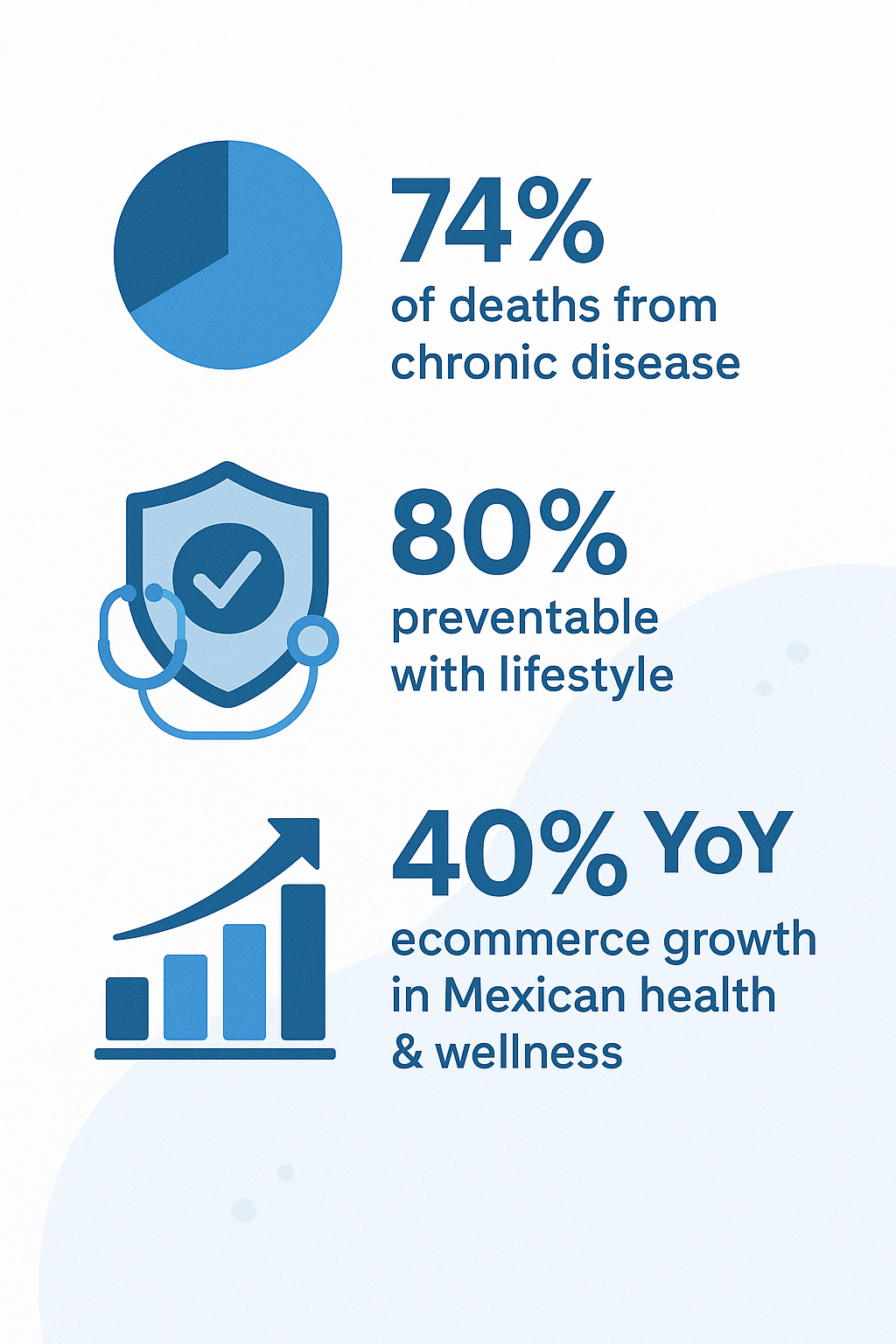
Fact: Chronic diseases account for 74% of deaths globally, yet 80% are preventable through lifestyle changes, many of which can be guided by genetic insights. [2]
Insights from the Bio-Commerce Revolution
At a recent event hosted by Singularity University — “The Future of Biotech” — global experts revealed how biology is becoming programmable. DNA, microbiomes, and metabolomics are the new frontiers of innovation. As sequencing costs fall and artificial intelligence enhances our ability to interpret this data, personalized health will soon be as common as wearable devices.
What once seemed speculative is now becoming part of everyday health practice. As these technologies become more accessible, there is growing potential for individuals, organizations, and healthcare systems to integrate biological data into informed decision-making. The challenge now lies in how effectively these tools are adopted and applied.
Insight: According to Deloitte, the global consumer genomics market is projected to surpass US$10 billion by 2025, with ecommerce playing a dominant role. [3]
Direct-to-Consumer Health: The Model for the Next Generation
The rise of direct-to-consumer health platforms has made it possible for individuals to access genetic testing, review personalized reports through digital interfaces, and explore targeted health recommendations. While still evolving, this model represents a significant shift in how health information is delivered and used.
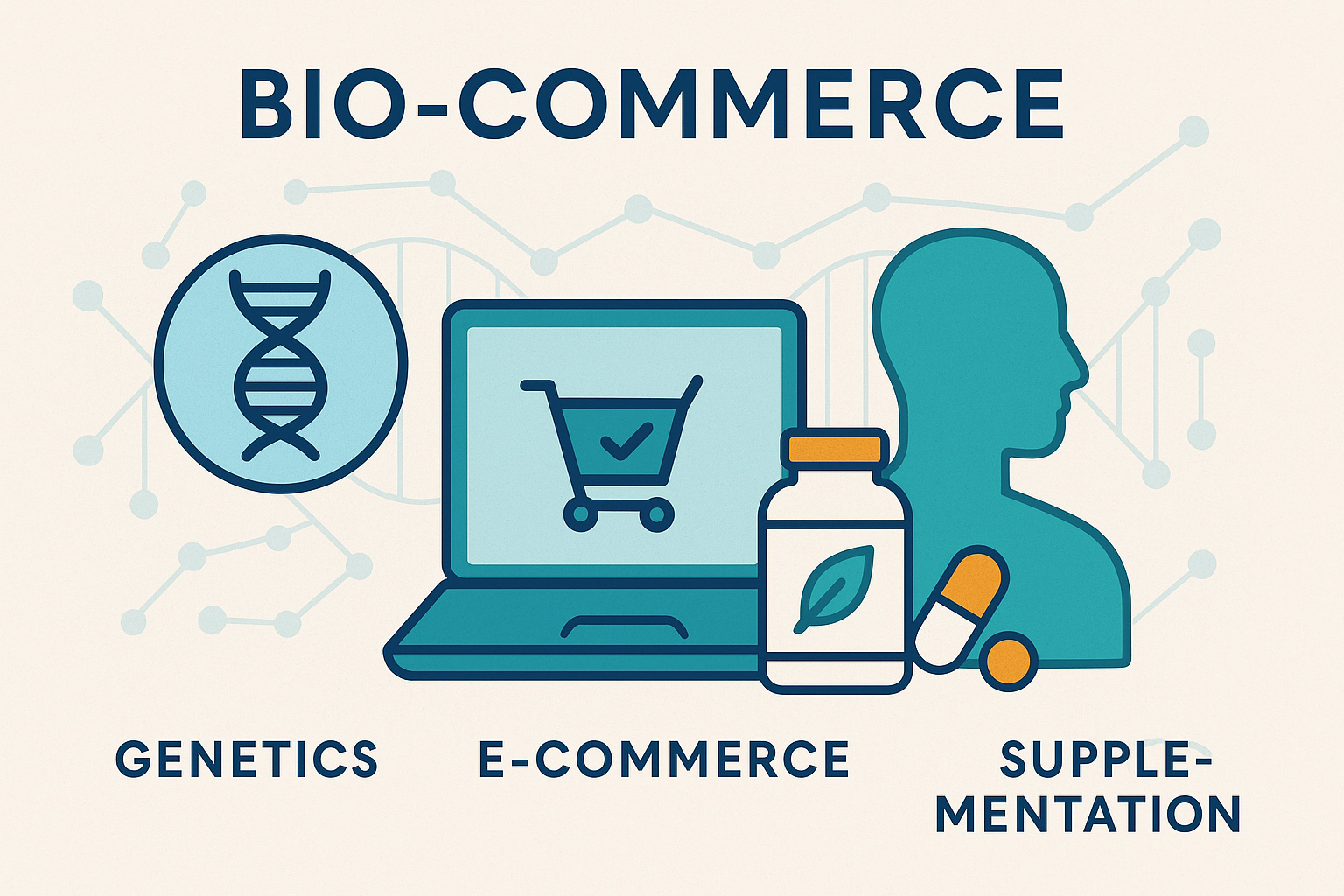
E-commerce and biotech are merging into what is now called "bio-commerce:" an intelligent, integrated system where your genetics inform your next purchase, your supplement regimen, and your long-term habits.
Trend: In Mexico, ecommerce in the health and wellness sector grew by over 40% annually between 2020 and 2023. [4]
Making Complex Science Understandable
Breakthroughs mean little without action. That’s why successful digital health platforms translate scientific data into clear, meaningful recommendations. Let’s say your genetic profile reveals a need for specific nutrients to support brain function. Rather than vague suggestions, you get a targeted plan, professional guidance, and high-quality supplements designed for your biology.
The New Frontier: Blending Technology with Human Touch
While digital platforms have improved access to personalized wellness tools, hybrid approaches are increasingly bridging the gap between technology and traditional healthcare settings. Clinics, pharmacies, and wellness centers are beginning to incorporate these innovations, offering individuals the option to engage with both digital and in-person support.
These integrated models often combine genetic insights with digital interfaces to provide users with clear, structured information. Rather than replacing healthcare professionals, these tools can enhance communication and enable more tailored guidance.
In areas like reproductive health, this integration is particularly impactful. Preconception and prenatal genetic testing, for example, is being used in some settings to support decision-making for prospective parents. When applied responsibly, these tools can contribute to early risk identification and more personalized care planning.
Note: Studies have shown that integrating genetic counseling and screening in fertility care increases the probability of successful pregnancies and reduces risk factors. [5]
Why This Moment Is Critical for Mexico’s Health Landscape
Mexico continues to confront a growing burden of chronic diseases — conditions that are often preventable yet account for a significant share of mortality and healthcare costs. At the same time, structural disparities in access to preventive services persist, limiting early intervention and long-term health outcomes for large segments of the population.
These challenges also present a moment of opportunity. With the emergence of more affordable genomic technologies and digital health infrastructure, there is a chance to integrate personalized approaches into public and private health initiatives more systematically. Doing so could help improve risk stratification, inform lifestyle interventions, and support more equitable models of care.
Rather than replacing traditional methods, precision-based strategies can complement existing healthcare efforts, particularly in settings where resources are limited and prevention remains underutilized.
Reality check: 7 out of 10 deaths in Mexico are caused by preventable conditions, such as diabetes, cardiovascular disease, and obesity. [6]
Rethinking Health Through Personalization
The increasing availability of genetic insights and digital tools is reshaping how we think about prevention, health management, and long-term well-being. While these developments offer new opportunities, they also raise important questions about accessibility, education, and responsible integration into healthcare systems.
As the field of personalized wellness evolves, the focus should remain on evidence-based approaches, informed decision-making, and collaboration between individuals and health professionals. The promise of this paradigm is not in replacing existing models, but in enriching them with deeper biological understanding.
Continued dialogue, research, and thoughtful implementation will be key to ensuring that personalized health becomes not just a technological advancement, but a meaningful shift toward more proactive and inclusive care.
References
[1] National Human Genome Research Institute, Genome.gov – DNA Sequencing Cost Data.
[2] WHO Global Report on Noncommunicable Diseases 2022.
[3] Deloitte Insights – Consumer Genomics: The Next Disruptive Market.
[4] Statista, Ecommerce Growth in Mexico’s Health and Wellness Sector.
[5] American Society for Reproductive Medicine (ASRM) – Genetics in Reproductive Health.
[6] INEGI & Secretaría de Salud México – Causes of Mortality Report 2023.
You May Like



Most popular








