

Scaling Precision Health: Mexico’s Functional Medicine Ecosystem



STORY INLINE POST


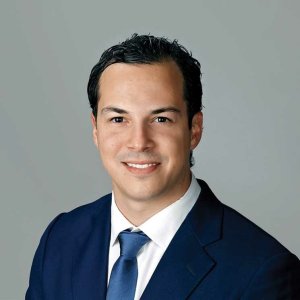



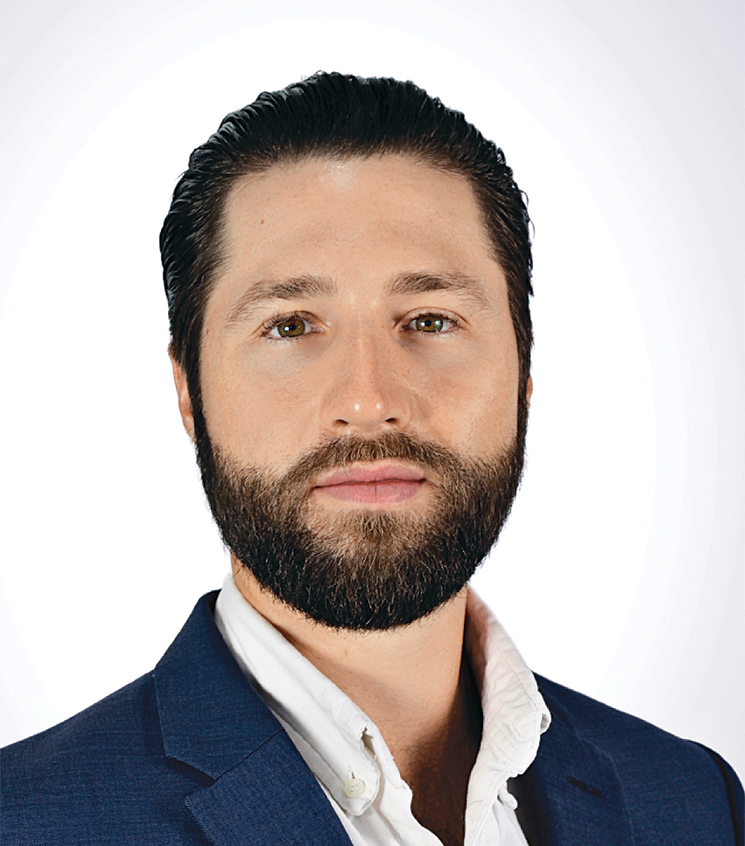
 By Gustavo Rodríguez Leal | Founder and CEO -
Mon, 01/05/2026 - 08:30
By Gustavo Rodríguez Leal | Founder and CEO -
Mon, 01/05/2026 - 08:30
Healthcare systems do not fail because of a lack of innovation. They fail because innovation is deployed in isolation.
Across Mexico, functional medicine has gained traction among clinicians and private healthcare organizations as a response to the growing burden of chronic disease, fertility challenges, metabolic disorders, and preventable conditions. Yet, despite increasing interest, implementation remains fragmented and uneven.
The limiting factor is not science. It is structure.
Functional medicine, by definition, requires integration: genetics, nutrition, lifestyle, environment, biomarkers, and continuous follow-up. Attempting to deploy it through traditional, transactional healthcare models, focused on isolated tests or single interventions, inevitably leads to inconsistency, low scalability, and limited impact.
Organizations that have managed to scale functional medicine have shifted from fragmented initiatives to cohesive, ecosystem-based care models.

Why Ecosystems Are Becoming the New Infrastructure of Healthcare
Traditional healthcare B2B models are optimized for volume. Tests are sold individually, services are fragmented, and value is measured per transaction. This model is poorly suited for complex, chronic, and preventive care.
Ecosystem-based models, by contrast, are optimized for continuity and integration. They connect multiple stakeholders into a single operating system:
- Clinicians (physicians, nutritionists, specialists)
- Diagnostic platforms (genomics, microbiota, functional biomarkers)
- Clinical interpretation frameworks
- Education and training
- Long-term patient management
Functional medicine does not scale because it is personalized, it scales when personalization is systematized.
The Economic Case for Functional and Preventive Care
Mexico faces a structural health challenge. According to OECD and national health data, more than 75% of adults are overweight or obese, and approximately 14% of the population lives with diabetes, many undiagnosed. Chronic diseases account for the majority of healthcare spending and productivity loss.
The World Health Organization (WHO) estimates that up to 80% of chronic diseases are preventable through early intervention and lifestyle modification. However, prevention at scale requires early risk identification and targeted action, which generic wellness models cannot deliver.
Functional medicine, supported by genomics and systems biology, enables:
- Early detection of metabolic and inflammatory risk
- Targeted nutritional and lifestyle interventions
- Measurable outcomes over time
For health organizations, this represents a shift from reactive cost centers to proactive value creation.
nutriADN: Community Design as a Growth Strategy
In Mexico, nutriADN provides a practical example of how ecosystem thinking enables functional medicine to move from theory to execution.
Rather than positioning itself as a genetic testing provider, nutriADN was built as a precision health ecosystem designed to support clinicians across the full care continuum. Its model integrates:
- Advanced Diagnostics: Nutrigenomics, microbiota analysis, and functional health markers provide objective data beyond symptoms.
- Clinical Implementation: Diagnostic data is converted into actionable insights aligned with functional medicine protocols, enabling clinicians to personalize care with consistency.
- Education and Community: Continuous education ensures adoption, standardization, and clinical confidence—critical factors for scale.
This ecosystem approach reduces the cognitive and operational burden on clinicians, allowing functional medicine to be practiced efficiently within real-world constraints.
Proof of Concept: The 2nd Congress of Nutritional and Functional Genomics
Ecosystems are best evaluated in action.
In November, nutriADN organized the 2nd Congress of Nutritional and Functional Genomics in Monterrey, which brought together more than 180 in-person attendees and over 200 virtual participants from across Mexico and Latin America over three days.
The congress was intentionally designed not as a marketing event, but as an ecosystem accelerator.
Key characteristics distinguished it from traditional medical conferences:
- Multidisciplinary clinical case presentations
- Integration of genomics, nutrition, fertility, microbiota, functional dermatology, and well-aging
- Focus on implementation, not just theory
- Active collaboration across specialties

The outcome was not limited to knowledge transfer. The event functioned as a network catalyst, aligning clinicians around shared protocols, diagnostic frameworks, and a common goal: implementing functional medicine consistently across regions.
For executives, this illustrates a critical insight: education is not a cost, it is infrastructure. Without structured education and community, advanced diagnostics remain underutilized and fragmented.
The Network Effect: Why Ecosystems Scale Faster Than Organizations
One of the most powerful characteristics of ecosystem models is the network effect.
Each new clinician integrated into the ecosystem:
- Increases collective knowledge
- Improves standardization
- Accelerates adoption in new medical specialties
This is particularly relevant in Mexico, where private healthcare delivery is decentralized. Ecosystems allow innovation to scale horizontally without requiring centralized institutional reform.
The hybrid format of the congress further extended its reach into Latin America, reinforcing nutriADN’s strategy to build a regional functional medicine network rather than isolated centers of excellence.
Key Takeaways
For health sector executives and decision-makers, the lessons are clear:
- Functional medicine cannot scale through commercialization alone: It requires systems, education, and integration.
- Ecosystems outperform linear growth models: They create compounding value through relationships and data.
- Education drives adoption: Tools without training underperform.
- Prevention is both a clinical and economic imperative: Precision health aligns outcomes with sustainability.
- Mexico is ready for ecosystem-based healthcare: The demand, talent, and private sector dynamics are already in place.
Community Is the Strategic Advantage
The future of healthcare in Mexico will not be defined by who sells the most tests or opens the most clinics. It will be defined by who builds the most effective ecosystems—systems capable of integrating science, clinical practice, education, and long-term patient value.
Functional medicine represents a decisive shift toward personalized, preventive, and data-driven care. Yet only ecosystem-based models provide the operational structure required for this approach to scale with consistency, quality, and measurable impact.
nutriADN’s ecosystem, strengthened through initiatives such as the 2nd Congress of Nutritional and Functional Genomics, demonstrates that when diagnostics, education, and professional community are intentionally aligned, functional medicine becomes not only clinically viable, but strategically compelling for healthcare organizations and practitioners alike.
For health professionals who seek to move beyond isolated practice and become part of a broader transformation in precision and preventive care, joining the nutriADN partner network represents an opportunity to collaborate, learn, and scale impact collectively across Mexico and Latin America.
As this ecosystem continues to grow, the next milestone is already on the horizon. Health leaders and professionals are invited to save the date for the 3rd Congress of Nutritional and Functional Genomics, to be held on Nov. 13, 14, and 15, 2026, where the conversation on ecosystem-driven functional medicine will continue to evolve at a regional level.
Sources
- World Health Organization (WHO). Preventing chronic diseases: a vital investment.
- OECD. Health at a Glance: Latin America.
- McKinsey & Company. The Future of Wellness and Personalized Health.
- Institute for Functional Medicine (IFM). Functional Medicine Model Overview.
You May Like
Most popular








