

Prepare Today, Lead Tomorrow: Mexico’s Logistics Challenge

STORY INLINE POST


 By Helcio Lenz | Managing Director Latin America -
Mon, 08/11/2025 - 06:30
By Helcio Lenz | Managing Director Latin America -
Mon, 08/11/2025 - 06:30
Only 4% of supply chain operations are truly future-ready. This figure, revealed by Accenture, should serve as an urgent wake-up call for Mexican companies. Resilience is no longer a luxury, it is a strategic necessity for survival in an increasingly uncertain world.
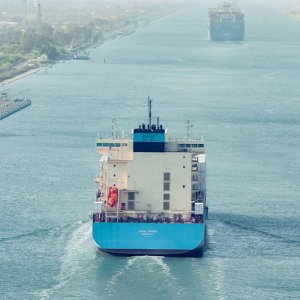
In recent years, we’ve witnessed how seemingly isolated events, from a ship stuck in the Suez Canal to port closures and the global shortage of truck drivers, can paralyze entire logistics chains. The reality is clear, a single weak link can jeopardize an entire business model.
These events have made it clear that global supply chains are more interconnected and fragile than previously understood, and that the ability to respond quickly and intelligently is what separates resilient organizations from vulnerable ones.
In Mexico, where nearshoring is accelerating manufacturing and logistics growth, we can't afford to improvise. According to studies we’ve reviewed at Infios and included in our white paper, “Preparing for Future Disruptions,” last-mile delivery remains one of the most critical challenges — more than 80% of consumers do not make a repeat purchase if a delivery fails. With the rise of e-commerce, these mistakes are even more costly, not only in terms of lost revenue but in customer trust and brand reputation.
It is no longer just about delivering products, it's about delivering experiences, and customer loyalty hinges on every mile, especially the last one.
The solution is not to wait for the next disruption but to adopt technologies today that increase our responsiveness. From Warehouse Management Systems (WMS) to Transportation Management Systems (TMS) with full fleet visibility, and voice-directed work solutions that reduce errors and boost productivity, innovation is no longer optional, it is essential. Those who delay digital adoption will quickly find themselves outpaced by more agile, tech-enabled competitors.
Automation and real-time data are transforming how companies manage complexity. Predictive analytics, Internet of Things-enabled tracking, and AI-based demand forecasting help businesses anticipate problems and make smarter decisions. These technologies allow companies to move from reactive to proactive management, identifying disruptions before they escalate and adjusting operations in real time.
Additionally, cloud-based platforms are enabling unprecedented collaboration across geographies, making it easier to respond in concert with partners when disruptions arise.
However, digital tools alone are not enough. Beyond technology, we must also talk about collaboration. Supply chain companies are starting to realize that preparation is key to mitigating disruption. Yet, according to a recent Accenture survey, only 10% of companies report effective integration across their supply chain stages. This fragmentation leads to inefficiencies, delays, and a lack of agility when facing the unexpected.
We must move from fragmented thinking to systemic strategy, understanding the supply chain as an ecosystem rather than a series of isolated transactions.
This is why we need to break down silos, share data, and build alliances, across the supply chain ecosystem. Transparency and trust between manufacturers, logistics providers, suppliers, and customers are essential. When information flows freely, organizations can align goals, coordinate actions, and respond to challenges as a unified network Supply chains don’t compete, networks do. As value chains become more global and complex, collaboration becomes the only viable path to resilience.
The Workforce Factor
Another critical factor is workforce readiness. As logistics becomes more digital, it also becomes more demanding in terms of skills. Companies need to invest not just in systems, but in talent development. This includes training employees to use new technologies, fostering a culture of innovation, and building cross-functional teams capable of handling complexity. In Mexico, with a young and dynamic workforce, the opportunity to upskill talent is significant, but it requires intentional effort.
Digital transformation cannot succeed without human transformation. The logistics leaders of the future will be those who invest in both.
The Growing Role of Sustainability
Sustainability also plays a growing role in the future of supply chains. Regulatory pressures and consumer expectations are pushing companies to rethink their logistics operations through an environmental lens. Efficient route planning, electric fleets, packaging optimization, and green warehouses are becoming differentiators in an increasingly competitive market. In many cases, sustainability and resilience go hand in hand: both require smarter use of resources and long-term thinking.
At Infios, we firmly believe that preparing for future disruptions is not a matter of pessimism, it’s a strategy for growth. Companies that are ready for volatility not only withstand crises better, they also gain market share when others falter. They reduce costs, improve service levels, and build the trust of customers, partners, and investors.
In Mexico, companies have a historic opportunity to become global leaders in logistics efficiency. But to achieve that, we must invest in smart processes, connected technologies, and long-term vision. Governments and industry leaders alike must foster innovation ecosystems that support digital transformation at all levels.
Preparing for future disruptions is, in fact, a way to build competitive advantage today.
You May Like








Most popular








